
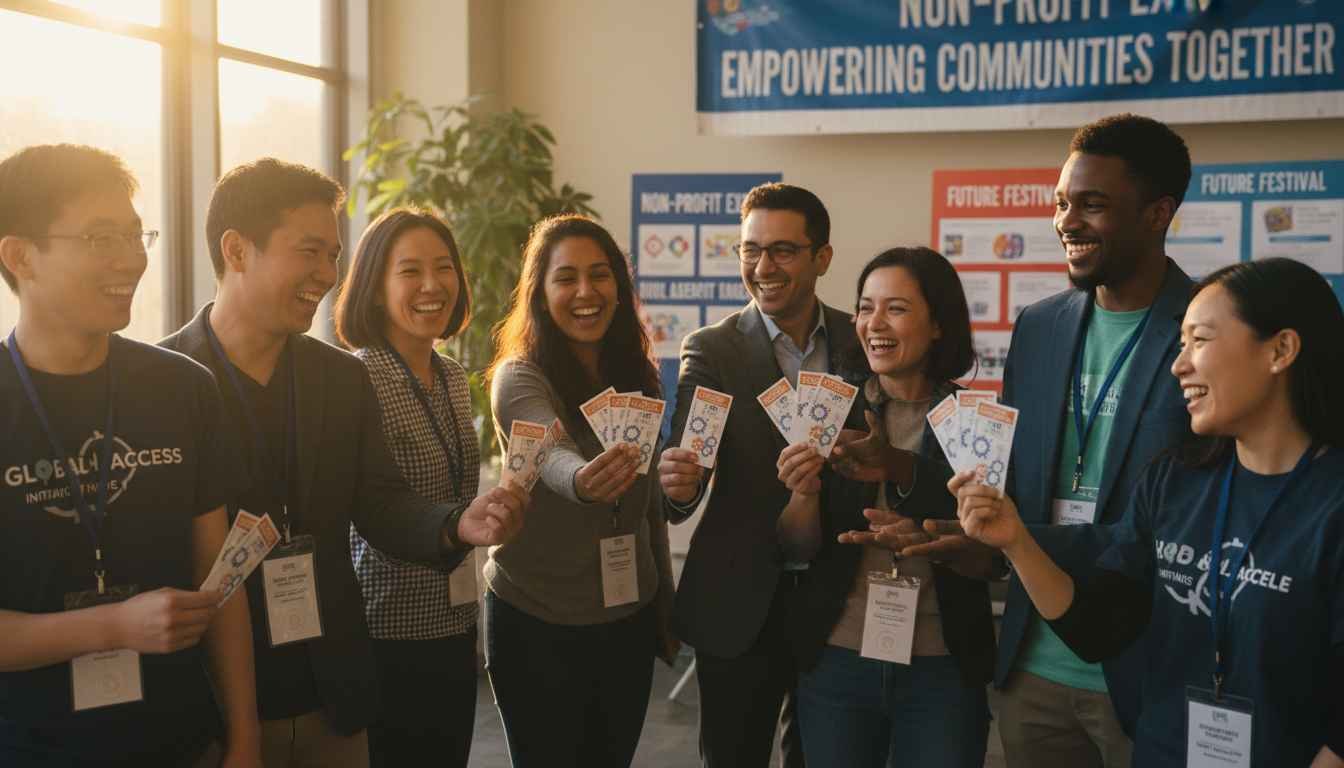
In 2012, a small local theater in Chicago faced one of its most infamous blunders. They announced a program offering free tickets to local non-profits, intending to foster community engagement. Yet, they neglected to define eligibility criteria clearly, resulting in hundreds of requests that overwhelmed their system. Organizations showed up en masse, some unprepared, others claiming eligibility erroneously, and what was meant as a goodwill initiative spiraled into chaos. This failure is now studied in nonprofit management circles as a cautionary tale: generosity without structure can backfire spectacularly.
However, when structured properly, offering free tickets for non profit organizations can become a transformative tool. It enables outreach, builds relationships, and amplifies visibility for causes that matter. At Kiwanis International, we understand the delicate balance between generosity and organization, ensuring that these programs serve both the hosting entity and the non-profits in meaningful ways.
Ingredients/Materials Needed
- Defined Eligibility Criteria – A clear list of who qualifies.
- Ticket Allocation Plan – Decide how many tickets per organization.
- Registration Platform – Online or physical forms for requests.
- Volunteer Support – Staff or volunteers to manage the program.
- Communication Tools – Email, phone, or messaging systems.
- Tracking System – Record requests, approvals, and attendance.
- Feedback Mechanism – Post-event survey or review system.
- Promotional Materials – Flyers, social media posts, or newsletters.
- Legal/Policy Guidelines – Terms of use, liability, and disclaimers.
- Follow-up Plan – Thank-you notes, future engagement opportunities.
The History of Free Tickets for Non Profit Organizations
The idea of offering complimentary access to cultural or recreational events for non-profit organizations has roots stretching back to the mid-20th century. In post-war America, local theaters, museums, and community centers began recognizing that their mission was not just entertainment but also civic engagement. By the 1960s, programs were formalized, often sponsored by philanthropic entities or government arts councils. These early initiatives emphasized structured access: tickets were limited, organizations were vetted, and records were meticulously maintained.
Over time, corporate sponsorship amplified the reach of these programs. Businesses recognized that granting free access to nonprofit groups not only improved their public image but also connected them to the broader social fabric. By the late 1990s, a surge in digital registration tools allowed organizations to manage ticket requests efficiently, reducing errors and overbooking. Today, the practice has evolved to include everything from theater shows and concerts to sports events and international exhibitions.
How Free Ticket Programs Work
The core principle is straightforward: an organization allocates a certain number of tickets to verified non-profits, allowing them to attend events at no cost. The procedure typically involves application, verification, allocation, and follow-up. Some organizations adopt a rotating schedule, ensuring multiple non-profits benefit over time, while others set up annual quotas.
Verification is crucial. Without it, programs risk overextension, logistical nightmares, and unintended misuse. Usually, non-profits provide proof of registration, mission statements, or letters of endorsement. Once approved, tickets are distributed digitally or physically, sometimes accompanied by a brief orientation or code of conduct for attendees.
Benefits for Non-Profit Organizations
1. Cost Savings: Free tickets remove financial barriers, allowing organizations to reallocate resources to mission-critical activities.
2. Networking: Events become fertile grounds for connecting with potential donors, partners, and volunteers.
3. Visibility: Participation in cultural or community events enhances public awareness and credibility.
4. Team Morale: Staff and volunteers enjoy enriching experiences that improve engagement and retention.
5. Advocacy Opportunities: Non-profits can leverage attendance to advocate for their causes in new spaces.
Potential Drawbacks / Who Should Avoid This?
While these programs offer undeniable benefits, they are not suitable for all organizations. Groups with minimal staffing may struggle to manage registration and attendance. Similarly, organizations lacking outreach strategy might miss opportunities to leverage the experience effectively. Some entities may also encounter logistical hurdles, such as transportation or scheduling conflicts, which reduce the program’s value. For event organizers, unchecked demand can strain resources and create public relations challenges if expectations are unmet.
Best Practices for Maximizing Free Ticket Programs
1. Establish Clear Guidelines: Define eligibility, ticket limits, and the application process. Ambiguity leads to inefficiency and frustration.
2. Communicate Transparently: Inform organizations of deadlines, usage rules, and any restrictions.
3. Streamline Verification: Use official documentation and centralized forms to prevent overbooking.
4. Foster Engagement: Encourage non-profits to share experiences on social media or newsletters, amplifying both the event and their mission.
5. Monitor and Evaluate: Collect feedback to refine processes, assess impact, and plan future programs.
Case Studies of Successful Implementations
One notable example occurred at the Lincoln Center in New York City, where a structured free ticket initiative has been running for over a decade. Organizations apply online, submit proof of non-profit status, and are allocated a fixed number of tickets per season. The program boasts a high approval-to-attendance ratio and receives consistent positive feedback from participants. Similarly, national sports leagues have initiated non-profit nights, providing free access while encouraging community engagement and sponsorship opportunities.
Steps to Access Free Tickets
1. Identify Eligible Events: Research local and national opportunities that offer non-profit allocations.
2. Prepare Documentation: Gather registration certificates, mission statements, and references.
3. Submit Application: Complete forms accurately, adhering to deadlines.
4. Await Approval: Confirm acceptance via email or official correspondence.
5. Attend and Engage: Participate actively, network, and capture experiences for internal and public communications.
Maximizing Impact Beyond the Ticket
Acquiring free tickets is only the beginning. Non-profits can leverage these experiences for greater organizational impact. Documenting attendance with photos, social media posts, or newsletters can attract donor interest. Hosting internal discussions or team-building exercises around the event deepens engagement. Strategic follow-ups with event organizers can unlock partnerships or sponsorships, creating long-term benefits beyond the initial attendance.
Conclusion
While the Chicago theater failure reminds us of the risks of poorly managed generosity, properly executed free ticket programs offer powerful opportunities. For non-profit organizations, they provide access to culture, entertainment, and networking that might otherwise remain out of reach. By following structured guidelines, maintaining clear communication, and leveraging each experience for broader engagement, both non-profits and event hosts can benefit immensely. At Kiwanis International, our dedication to community and thoughtful resource allocation ensures that free ticket initiatives achieve their intended purpose: empowering organizations, fostering connection, and creating memorable, impactful experiences that resonate well beyond the event itself.