Success leaves clues. Walk into any thriving retail store, and you’ll notice more than just well-stocked shelves. There’s a rhythm to the layout, a story told through lighting, color, and flow. Retail design build isn’t just about aesthetics; it’s about creating an environment that encourages engagement, loyalty, and ultimately, sales.
Many retailers struggle with translating their brand identity into a physical space. You might have a strong product line and an online presence, but if your store layout feels confusing or uninspiring, customers leave without converting. Behavioral economics teaches us that the way people interact with space – how they move, what draws their attention, and the subtle cues guiding their choices – affects spending behavior significantly.
Investing in a thoughtful retail design build can feel overwhelming, especially for businesses balancing inventory, staffing, and marketing. But the cost of inaction can be greater: lost foot traffic, lower average transaction values, and missed opportunities to connect with your community. According to the Retail Design Institute, optimized layouts and visual merchandising can increase sales by up to 20%.
At MEC, we understand that your store is more than a space; it’s an experience. From lighting that highlights product quality to flooring that intuitively guides customers through the store, every detail matters. Whether you’re opening a new location or renovating an existing one, a strategic retail design build ensures that your physical presence aligns seamlessly with your brand promise.
Who is this for?
This approach is ideal for retailers aiming to transform their spaces into immersive experiences. Boutique shops looking to stand out, large outdoor retailers wanting to maximize engagement, and franchises needing uniformity across multiple locations can all benefit. It’s particularly valuable for businesses targeting community-minded shoppers who value quality and trust in local expertise.
However, retail design build is not one-size-fits-all. A customized strategy considers foot traffic patterns, customer demographics, and merchandising goals. Even minor elements – like the placement of impulse-buy items near checkout – can dramatically influence purchasing behavior. Through the lens of behavioral economics, subtle environmental cues like sightlines, product accessibility, and tactile engagement can make the difference between a casual visitor and a loyal customer.
In today’s competitive marketplace, the physical environment of a retail space plays a crucial role in shaping customer experiences and fostering brand loyalty. As businesses navigate the complexities of consumer behavior, the importance of thoughtful design cannot be overstated. This is where the concept of retail design build comes into play, emphasizing a holistic approach to creating retail environments that not only attract foot traffic but also encourage deeper connections with customers. From layout and aesthetics to the integration of technology and sustainability, effective retail design is essential for creating memorable shopping experiences that resonate with today’s discerning consumers. In this article, we will explore how innovative design strategies can transform retail spaces and enhance customer engagement, ultimately driving business success.
The Problem: When Stores Don’t Reflect the Brand
Too often, retailers underestimate the power of their physical space. A cluttered layout, poor lighting, or lack of focal points can frustrate customers. Studies show that shoppers make 70% of their decisions subconsciously, influenced by visual and spatial cues. A store that fails to guide the customer journey effectively risks losing not just sales, but brand credibility.
The Agitation: Hidden Costs of Poor Design
Poorly executed retail spaces carry hidden costs beyond missed sales. Staff may face operational inefficiencies, customers may experience frustration, and the store may fail to build a community presence. In the competitive retail landscape, these factors compound quickly. Retailers without a strategic design build risk falling behind competitors who leverage spatial psychology to create memorable experiences.
The Solution: Strategic Retail Design Build
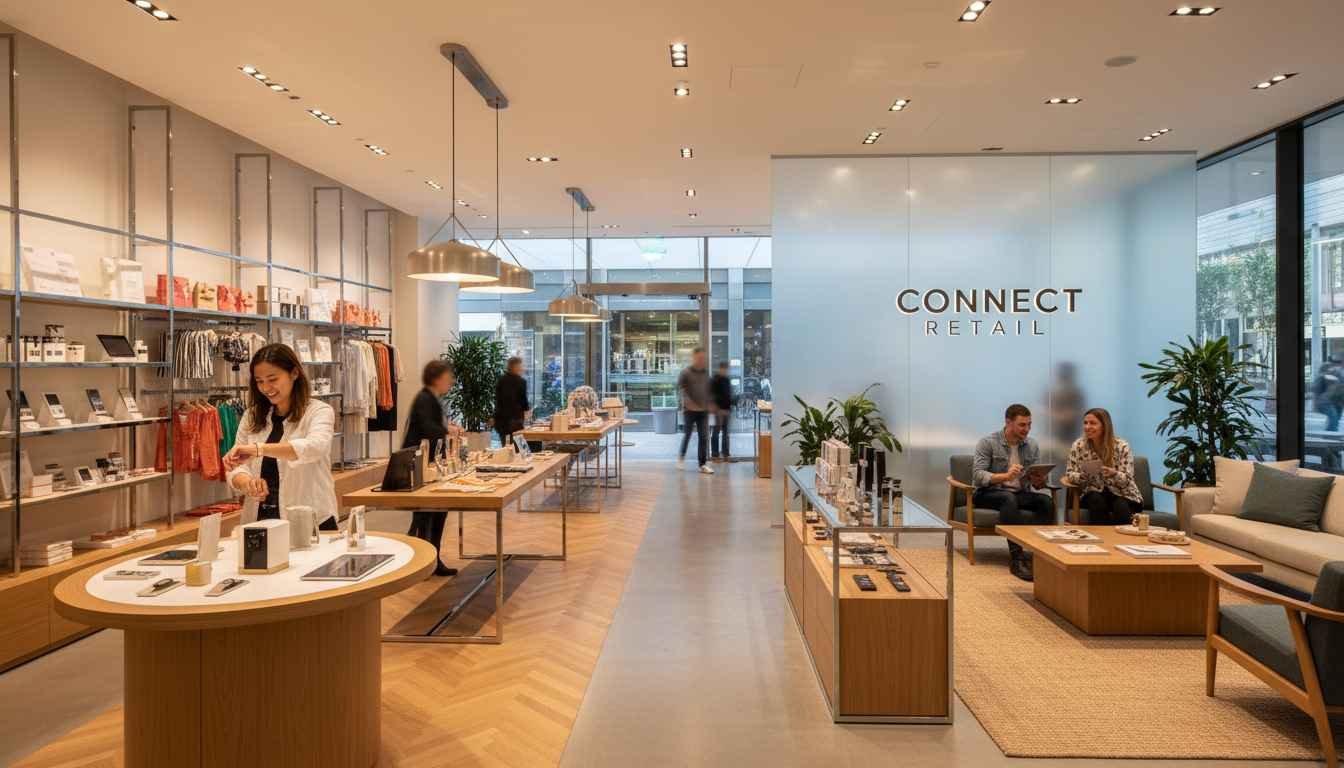
A well-planned retail design build addresses both functionality and emotional resonance. This process starts with understanding the target audience, mapping customer flow, and aligning physical elements with brand values. Whether through modular shelving systems, interactive product displays, or optimized checkout zones, the goal is to make every square foot work towards conversion and community connection.
Lighting, for example, isn’t just about visibility – it can highlight seasonal products, create ambiance, and influence mood. Similarly, color schemes and textures can evoke trust, excitement, or calm, shaping the customer’s perception of the brand. By integrating these elements strategically, retailers can guide behavior, reinforce messaging, and create a seamless experience from entrance to exit.
Potential Drawbacks
While retail design build offers substantial benefits, it may not be suitable for every situation. Small businesses with limited budgets may find it challenging to justify large-scale renovations. Rapidly changing product lines or pop-up concepts may require more flexible solutions. Additionally, businesses without a clear brand identity may struggle to translate abstract values into tangible design elements, potentially resulting in wasted investment.
Final Thoughts
Retail design build is more than construction or decoration – it’s a strategic tool for shaping customer behavior and reinforcing brand identity. For businesses committed to community engagement and lasting customer relationships, investing in an intelligently designed space can be transformative. By leveraging behavioral insights, industry standards, and thoughtful execution, your store can become a destination, not just a point of sale.