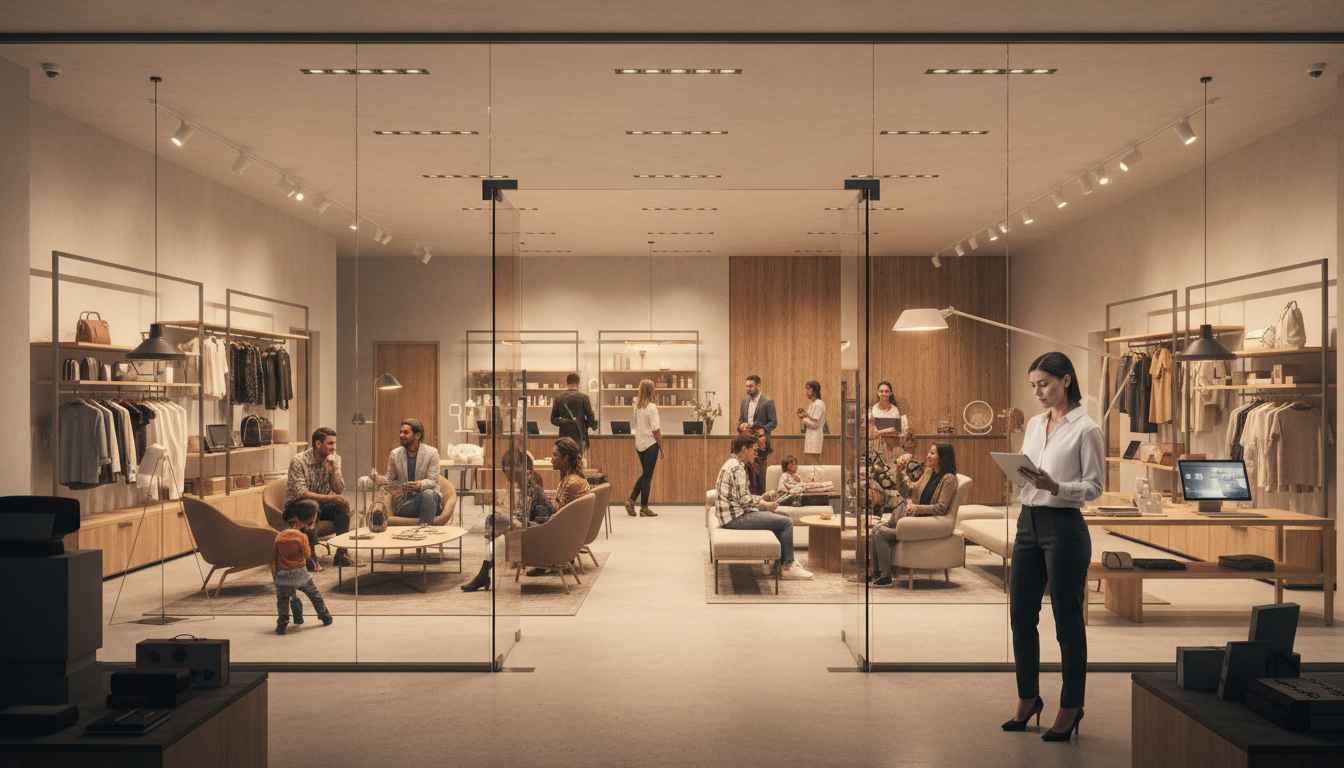
Success leaves clues. Walk into any high-performing retail store, and you can feel it in the layout, the lighting, and even the flow of foot traffic. But for many retailers, translating that feeling into a tangible, profitable space is a challenge. The modern consumer expects more than just shelves of products – they want experiences, convenience, and a space that speaks to their lifestyle. That’s where retail design build comes into play.
Traditional store renovations often treat design and construction as separate projects. This can create miscommunication, costly delays, and spaces that look great on paper but fail in practice. Behavioral economists know that even small environmental cues – like aisle width, lighting contrast, or the placement of key products – can significantly influence buying behavior. A fragmented approach can disrupt these subtle cues, reducing the overall effectiveness of the retail environment.
At MEC, Canada’s most trusted outdoor retailer, the integration of design and build is key to creating stores that resonate with the community while remaining operationally efficient. By aligning design creativity with construction practicality, stores are not only visually appealing but also functionally optimized to encourage exploration and sales. MEC leverages this methodology to ensure that every square foot contributes to the overall customer journey, making the shopping experience seamless from entrance to checkout.
Identifying the Problem: Why Many Retail Spaces Fail
Retail spaces often fail due to poor planning, inconsistent messaging, or misalignment between design and operations. For example, a visually striking store layout might look appealing but create bottlenecks that frustrate customers. Conversely, a highly functional space could be visually sterile, failing to inspire engagement or brand loyalty. The challenge lies in creating a balance between aesthetics, customer behavior, and operational efficiency.
Research in retail psychology consistently shows that consumers make subconscious decisions within seconds of entering a store. Layout, sensory cues, and accessibility shape perception and spending behavior. If these elements are not integrated thoughtfully, even the most premium products can underperform.
Who is This For?
This approach is ideal for retailers looking to:
- Launch a new store or refresh an existing one with a unified strategy.
- Enhance customer experience through intentional space planning.
- Increase sales by optimizing traffic flow and product placement.
- Reduce project delays and cost overruns by integrating design and construction from the start.
Retailers in urban centers, high-traffic areas, or community-focused shopping districts will benefit most, especially when brand storytelling and customer engagement are top priorities.
In today’s competitive market, the way a retail space is designed can significantly influence customer behavior and brand loyalty. As consumers increasingly seek experiences that resonate with their lifestyles, retailers must adapt by creating environments that foster connection and engagement. This is where the concept of retail design build comes into play, merging functionality with innovative aesthetics to enhance the shopping journey. Understanding the elements that contribute to effective retail design can help businesses not only attract customers but also create lasting impressions that encourage repeat visits and word-of-mouth promotion. In this article, we will explore the principles behind crafting these impactful spaces and the strategies that can elevate a brand’s presence in the marketplace.
Agitating the Issue: The Cost of Fragmented Projects
When design and construction operate independently, errors multiply. Mismatched materials, poorly timed deliveries, and misaligned project goals can lead to delays and budget overruns. Behavioral cues get lost, and the store’s ability to influence customer decision-making diminishes. This not only impacts short-term sales but also long-term brand perception. Customers may subconsciously feel the space is uninviting or disorganized, even if the products are top-tier.
Moreover, regulatory compliance becomes trickier when multiple contractors handle separate parts of a project. Local building codes, accessibility requirements, and fire safety standards (often dictated by authorities such as the National Building Code of Canada) need coordinated attention. Failing to comply can result in fines, redesign costs, or even forced closures.
The Solution: Integrated Retail Design Build
Retail design build solves these problems by creating a single point of accountability. Designers, architects, and builders collaborate from concept to completion, ensuring that aesthetic choices align with operational needs. Lighting, shelving, signage, and customer pathways are designed to reinforce both the brand and purchasing behavior. This integrated method also allows for faster turnaround, better budget control, and a smoother permitting process.
For instance, at MEC, every new store or renovation project starts with behavioral insights. Designers map customer journeys, highlighting key touchpoints where product discovery or impulse buying is most likely. Builders then create a space that supports these patterns without compromising safety or functionality. The result is a retail environment that’s as efficient as it is inspiring.
Potential Drawbacks
While retail design build offers numerous advantages, it’s not ideal for every situation. Smaller retailers with limited budgets may find upfront costs higher than traditional methods. Additionally, if the selected design-build firm lacks retail-specific experience, the project could still underperform. It’s crucial to choose a partner with proven expertise in both retail strategy and construction management.
Who Should Avoid This?
Businesses that primarily operate online or do not have significant foot traffic may not need a full-scale retail design build investment. Pop-up shops or temporary seasonal stores might also be better served by modular or pre-fabricated solutions, where flexibility outweighs the benefits of a custom-built environment.
Conclusion
Retail design build is more than just a construction strategy – it’s a behavioral investment. By uniting design, construction, and customer psychology, retailers can craft spaces that not only look impressive but actively drive sales and loyalty. Success leaves clues, and the most thriving retail stores show a consistent pattern: thoughtful design aligned with operational excellence. For retailers ready to make every square foot count, integrating design and build is no longer optional – it’s essential.