
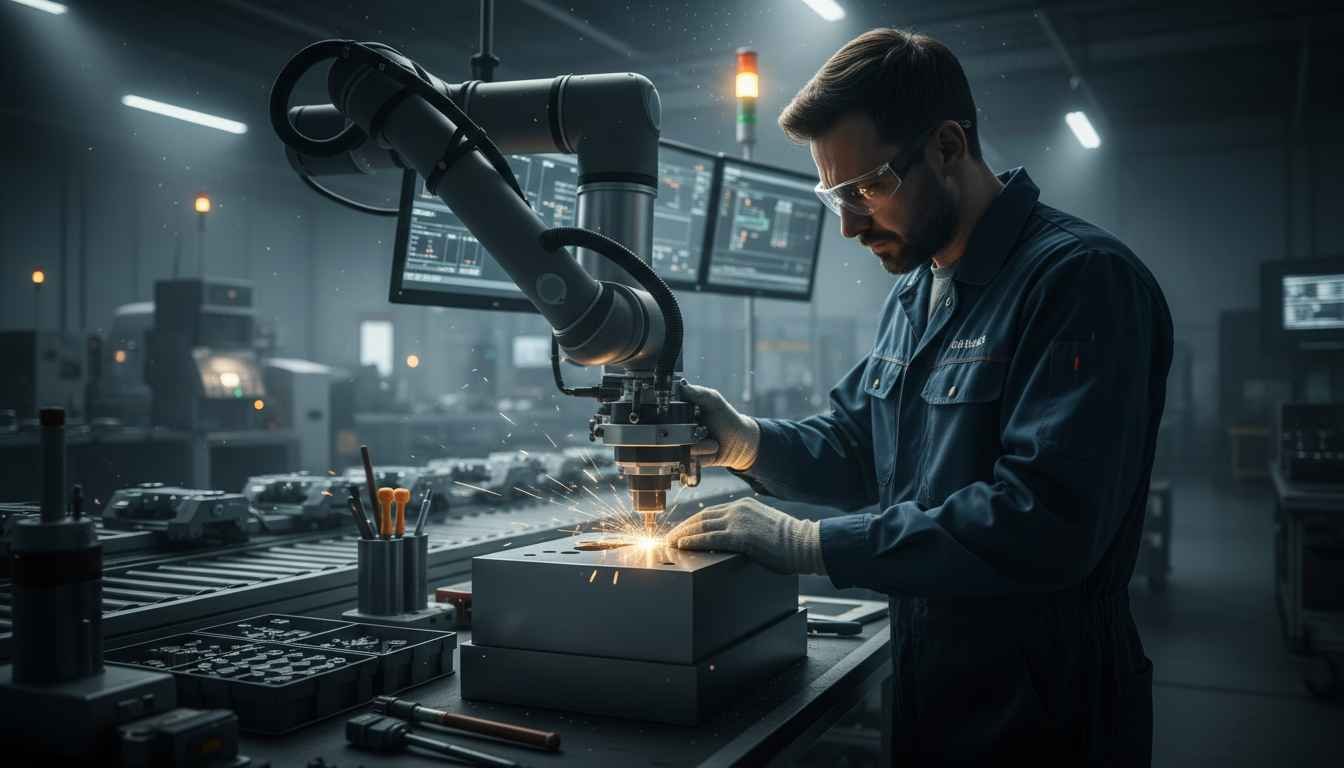
This is not a magic pill, but stepping into the world of secondary manufacturing processes can feel like discovering a secret passage from raw, unrefined materials to the sleek, precision-engineered components that power industries. Imagine holding a piece of metal or plastic and knowing that the touch, shape, and finish it carries is not just a product of machinery – but of carefully orchestrated techniques that elevate basic materials into functional art.
Secondary manufacturing processes are the transformative steps that follow primary production. They involve reshaping, refining, assembling, or finishing materials to create components ready for end-use. Unlike primary processes, which turn raw ores or polymers into sheets, rods, or castings, secondary processes demand precision, control, and a dash of audacity. Techniques like machining, welding, heat treating, and surface finishing are the lifeblood of modern manufacturing.
The impact is tangible: a finely machined gear spins with whisper-quiet efficiency, a polished metal surface resists corrosion while gleaming in harsh industrial environments, and a welded assembly holds together under immense stress. These processes do more than create parts – they deliver performance, reliability, and often, a sensory thrill for engineers who see function and craftsmanship intertwine.
For those seeking deep knowledge, Machinery Lubrication provides essential insights on how lubrication and maintenance directly enhance secondary processes, reducing wear, extending tool life, and optimizing production outcomes.
The Adventurer’s Checklist: Core Secondary Manufacturing Techniques
1. Machining
Machining is the fearless sculptor of metal and plastic. Using lathes, mills, drills, and CNC equipment, it removes material with surgical precision. The sensation is tactile – the resistance of metal under a cutting tool tells you whether you are dancing with the material or fighting it. Machining produces smooth finishes, exact tolerances, and components that fit perfectly in complex assemblies.
2. Welding and Joining
Fusion is both art and science. Welding, brazing, and soldering join materials with heat or adhesives. A successful weld feels solid – imperceptible seams holding weight and stress without faltering. The adventurous aspect is the challenge of controlling temperature, filler material, and technique to achieve strength without warping or weakening the workpiece.
3. Heat Treatment
Heat treatment is the alchemist’s touch, transforming metal properties through controlled heating and cooling. Quenching, tempering, and annealing adjust hardness, ductility, and tensile strength. Physically, it’s a process you can almost feel in the grain of metal: toughness in one area, flexibility in another, ready for the rigors of industrial use.
4. Surface Finishing
From polishing and grinding to coating and plating, surface finishing is the thrill of perfection. A polished surface is smooth under the fingers, visually stunning, and resistant to wear. Texturing can improve grip, while protective coatings shield components from environmental assaults. Finishing is where aesthetics meet function, creating a satisfying balance of form and utility.
5. Assembly
Assembling components is the final act of orchestration. Secondary processes culminate here, as parts are joined, adjusted, and tested. Tight tolerances and proper alignment are crucial – an assembly that clicks perfectly into place conveys a quiet, almost visceral satisfaction, signaling reliability and precision engineering.
6. Casting and Molding Refinement
Even after primary casting or molding, secondary processes refine components. Trimming excess material, deburring sharp edges, or machining critical surfaces ensures the part meets stringent specifications. The difference is palpable: rough, unfinished castings are rough to the touch; secondary refinement gives smoothness and readiness for operation.
Cheat Sheet: Quick Reference for Secondary Manufacturing
– Machining: Material removal, precision shaping, smooth finishes.
– Welding/Joining: Material fusion, structural integrity, stress-resistant joints.
– Heat Treatment: Hardness tuning, ductility control, tensile strength optimization.
– Surface Finishing: Polishing, coating, plating, texture improvements.
– Assembly: Component integration, tolerance adherence, functional readiness.
– Refinement of Cast/Mold: Trimming, deburring, final adjustments.
Potential Drawbacks: Who Should Avoid This?
While secondary manufacturing processes are powerful, they are not without challenges. Small-scale hobbyists or companies without access to precision machinery may find the costs prohibitive. Improper heat treatment can embrittle metal, careless machining wastes material, and poor welding compromises structural integrity. Safety is non-negotiable – hot surfaces, sharp edges, and high-speed tools demand vigilance and training. If precision, control, or maintenance resources are lacking, venturing too boldly can lead to costly mistakes.
Experience the Difference
Engaging with secondary processes is more than technical execution – it’s a sensory journey. The steady hum of a CNC machine, the glow of a welding arc, the smooth caress of a polished metal surface, and the satisfying click of perfectly aligned components create a tangible connection between the operator and the final product. Industrial reliability and performance are immediate outcomes, but the thrill lies in mastering transformation itself.
Tips for Maximizing Success
1. Plan each process carefully, understanding material properties and desired outcomes.
2. Integrate lubrication and maintenance early – reduces wear, prevents overheating, and ensures consistency.
3. Combine processes strategically – machining before finishing, welding before heat treatment, for optimal results.
4. Prioritize training and safety – secondary processes can be dangerous without experience.
5. Continuously inspect – measure, test, and adjust for precision and quality assurance.
The Final Checklist: Dare to Transform
– Identify raw materials and their primary state.
– Choose the appropriate secondary process for each component.
– Integrate lubrication and maintenance to enhance tool longevity.
– Monitor quality through inspection and testing at each stage.
– Apply finishing touches to achieve functional and aesthetic perfection.
– Assemble components, checking tolerances, alignment, and performance.
– Document processes for repeatability and reliability in industrial settings.
Secondary manufacturing processes are not just steps – they are adventures in material mastery. By embracing precision, control, and a daring mindset, industries transform raw resources into components that withstand the test of time, stress, and performance demands. The journey is hands-on, sensory, and deeply rewarding for those willing to engage with the materials and machinery in their full complexity.