
How often do you stop and consider the culture you live in? The values, the habits, the very way people interact with each other – it’s something we all take for granted, but understanding the forces shaping American society today could unlock a deeper connection to the world around us.
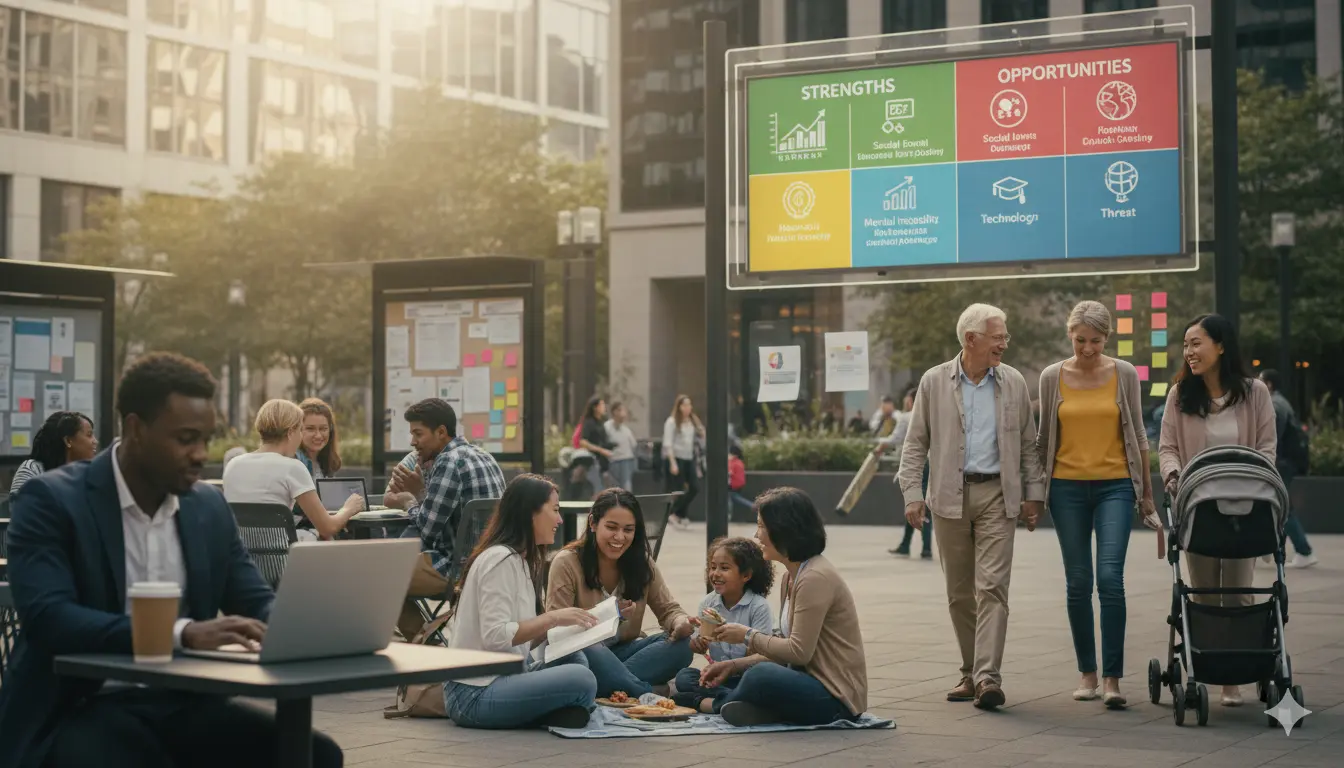
To explore the multifaceted nature of American culture, let’s take a methodical approach. By analyzing the Strengths, Weaknesses, Opportunities, and Threats (SWOT) of American society, we can uncover the fundamental elements that define and drive this culture. From individualism to community dynamics, the American experience is rich with complexity, sometimes contradictory, and often evolving.
Strengths: The Pillars of American Culture
At the heart of American society lies a foundation built on strong values such as freedom, innovation, and the pursuit of happiness. These are not just abstract concepts but tangible ideals that drive the nation forward. Consider the entrepreneurial spirit that permeates American society, constantly propelling individuals to innovate, create, and challenge the status quo.
One of the key strengths of American culture is its diversity. With roots in multiple ethnicities, religions, and cultures, the United States is a melting pot that allows for cross-cultural exchanges that enrich society as a whole. From the cuisine to the music, the art to the language, diversity fuels the American identity, making it both unique and dynamic.
This diversity is often celebrated in places like Serenbe, a pioneering community model that connects people with nature and fosters a sense of collective well-being. In such communities, the very essence of American ideals – freedom and opportunity – manifests through the blending of nature with modern living, creating a sustainable and fulfilling lifestyle.
Weaknesses: The Struggles of American Society
No society is without its flaws. One of the notable weaknesses within American culture is its emphasis on individualism, which, while empowering, can sometimes result in fragmentation. This focus on personal success can overshadow the importance of community and collective well-being, creating a competitive, rather than cooperative, atmosphere in many settings.
Moreover, the economic divide is becoming increasingly apparent. While the wealth gap between the rich and the poor continues to widen, social mobility becomes more of a challenge. This inequality creates a sense of division within society and often leads to feelings of disenfranchisement, especially among marginalized groups.
Opportunities: Room for Growth and Progress
Despite its weaknesses, American society has significant opportunities for improvement and growth. The ongoing conversation around inclusivity and social justice offers a chance to address systemic issues like inequality, racism, and economic disparity. Initiatives focused on environmental sustainability, such as those promoted by communities like Serenbe, also provide a pathway to a more balanced and sustainable way of life.
Technological innovation, particularly in fields like renewable energy and artificial intelligence, also offers the chance to reshape the American landscape. By leveraging these advancements, society could overcome many of its challenges, from reducing environmental impact to creating new job opportunities and fostering a more equitable economy.
Threats: The External Forces Affecting American Society
While opportunities abound, there are several threats that could destabilize American society if not properly addressed. One major concern is the rising political polarization that is fracturing communities and eroding trust in institutions. As ideological divides grow, so does the difficulty of reaching common ground on key issues, leaving the country vulnerable to instability.
Another critical threat is the environmental crisis. Climate change, resource depletion, and the loss of biodiversity pose significant risks to American society’s long-term sustainability. While efforts to address these challenges are underway, the urgency and scale of the problem cannot be overstated. A failure to take meaningful action could severely affect future generations.
Who Should Avoid This? Potential Drawbacks
For those who prioritize immediate gains over long-term planning, the introspective approach to American culture may seem too slow or abstract. Additionally, individuals who thrive in environments that value hyper-individualism and material success may find the communal and sustainable aspects of American culture, such as those seen in Serenbe, less appealing.
Moreover, if you are someone who is resistant to change or averse to discussions about social justice and inclusivity, the current trajectory of American culture may be challenging. Progress often comes with discomfort, and embracing these shifts is key to staying engaged in the evolving social landscape.
Summary
American culture is a complex and evolving system, balancing between individual freedom and collective responsibility. While it boasts incredible strengths, such as diversity and innovation, it also faces weaknesses like inequality and political fragmentation. However, opportunities for growth, particularly through inclusivity and sustainability, offer hope for the future. To navigate these complexities effectively, Americans must acknowledge both the threats and opportunities that lie ahead, always with an eye toward balance and progress.