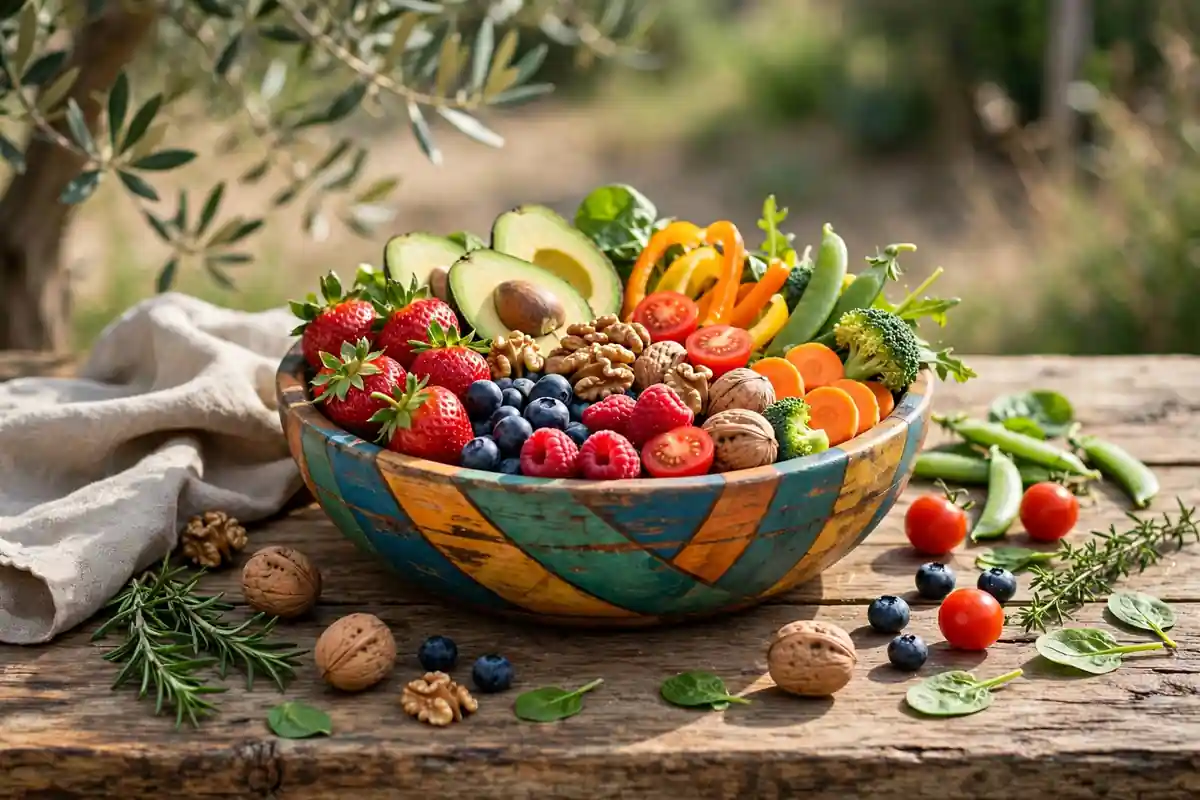
Nearly two in five American adults have high cholesterol — and most have no idea. There are no symptoms, no warning aches, just a quiet buildup that raises your risk of heart disease and stroke over time. The good news is that cholesterol responds remarkably well to lifestyle changes, often within weeks.
You do not need an extreme diet, expensive supplements, or hours at the gym to lower cholesterol naturally. Small, consistent changes to what you eat, how you move, and how you live can shift your numbers in the right direction. This guide covers 15 strategies supported by mainstream medical guidance — practical, sustainable, and designed for real life.
One important note: this article is for general information, not medical advice. If your cholesterol is very high or you have heart disease, work with your doctor — lifestyle changes complement medical treatment, they do not replace it when medication is needed.
Understanding Cholesterol: The Basics You Actually Need
Cholesterol is a waxy substance your body needs to build cells and hormones — your liver makes all you require. Problems start when “LDL” (low-density lipoprotein, the “bad” cholesterol) builds up in artery walls, while “HDL” (high-density lipoprotein, the “good” cholesterol) helps carry cholesterol away.
What raises LDL? Mostly saturated fat, trans fat, excess weight, inactivity, and smoking. What helps? Fiber, unsaturated fats, exercise, and a healthy weight. Every strategy below targets one of these levers.
Eat Your Way to Better Numbers
1. Load up on soluble fiber
Soluble fiber binds cholesterol in your digestive system and carries it out before it enters your bloodstream. Oats, beans, lentils, apples, and Brussels sprouts are all excellent sources. Aim to make fiber-rich foods a daily habit, not an occasional one — and for weeknight inspiration, try these easy homemade dinner ideas that make healthy eating realistic on busy schedules.
2. Swap saturated fats for unsaturated fats
Replace butter with olive oil, fatty cuts of meat with fish or poultry, and full-fat dairy with lighter options. You do not have to eliminate foods you love — steady swaps add up to a real difference in LDL.
3. Eat fatty fish twice a week
Salmon, sardines, and mackerel are rich in omega-3 fatty acids, which support heart health and help lower triglycerides. If fresh fish is expensive where you live, frozen fillets and canned options are just as nutritious.
4. Add nuts and seeds
A small daily handful of walnuts, almonds, or flaxseeds delivers unsaturated fats and fiber. Keep portions modest — nuts are calorie-dense — but do not fear them; they are one of the most research-supported heart foods.
5. Cut back on added sugars and refined carbs
Sugary drinks and refined starches can raise triglycerides and lower HDL. Swapping soda for sparkling water and white bread for whole grains is one of the highest-impact changes you can make.
6. Consider plant sterols
Plant sterols and stanols — found in fortified foods and some spreads — block cholesterol absorption in the gut. They are a useful add-on, not a replacement for the fundamentals above.
Move More: Exercise Strategies That Lower Cholesterol
7. Get 150 minutes of moderate activity weekly
Aerobic exercise raises HDL and helps control weight, both of which improve your cholesterol profile. Brisk walking, cycling, and swimming all count. If mornings work best for you, the benefits of morning exercise go well beyond cholesterol — better mood, sharper focus, and more consistent habits.
8. Try zone 2 cardio
Zone 2 training — easy, conversational-pace cardio where you can still talk in full sentences — is one of the best tools for metabolic health. Our zone 2 cardio guide explains how to find your zone and build it into your week, even starting from zero fitness.
9. Add strength training twice a week
Muscle improves how your body handles blood sugar and fat. Two full-body sessions per week — bodyweight exercises count — complement your cardio and protect your metabolism as you age.
10. Break up long sitting periods
If you work at a desk, stand and move for a few minutes every hour. Short activity breaks improve blood sugar and lipid markers more than most people expect. Fitting movement into a packed day is a skill — see how to fit exercise into a busy daily routine without overhauling your life.
Lifestyle Levers Most People Underestimate
11. Lose even a little excess weight
You do not need a dramatic transformation. Losing just 5–10% of body weight can meaningfully improve LDL, HDL, and triglycerides. Small, sustainable calorie adjustments beat crash diets every time.
12. Quit smoking (and avoid secondhand smoke)
Smoking lowers HDL and damages artery walls, making it easier for cholesterol to do harm. Quitting raises HDL within weeks — one of the fastest lifestyle wins available.
13. Limit alcohol
Heavy drinking raises triglycerides and adds empty calories that work against weight goals. If you drink, keep it moderate; if your triglycerides are high, cutting back is especially important.
14. Manage chronic stress
Chronic stress drives behaviors that raise cholesterol — poor sleep, comfort eating, skipped workouts — and stress hormones themselves are unhelpful. Build a daily wind-down practice; our guide on simple ways to reduce daily stress offers techniques that take minutes, not hours.
15. Prioritize sleep
Short sleep is linked to worse cholesterol profiles, higher weight, and poorer food choices the next day. Aim for 7–9 hours. If falling asleep is the problem, these tips to sleep better at night can help you build a routine that actually sticks.
What About Saunas and Cold Plunges?
You may have heard that heat and cold exposure support heart health. Regular sauna use is associated with better cardiovascular outcomes in population studies, and cold water immersion has enthusiastic fans. Our overviews of sauna health benefits and cold plunge benefits separate the evidence from the hype.
Treat these as potential complements to the fundamentals — diet, exercise, weight, sleep — not replacements. And if you have heart disease or high blood pressure, check with your doctor before trying temperature extremes. Speaking of which, cholesterol and blood pressure often travel together, so read our guide on how to lower blood pressure naturally for a complementary plan.
Your Mind Matters Too
Changing habits is as much psychological as physical. Negative self-talk after a bad week can derail months of progress — learning how unkind self-talk impacts your mental health helps you build the self-compassion that keeps healthy habits alive long term.
How Long Until You See Results?
Diet and exercise changes can shift cholesterol numbers within 4–12 weeks, which is why doctors often recheck labs after about three months of lifestyle changes. Track what you actually do — food, movement, sleep — so you can connect habits to results.
If lifestyle changes alone do not get you to target, that is not failure. Genetics play a large role in cholesterol, and medication exists precisely for that reason. The lifestyle foundation still matters: it makes any treatment work better and protects you in ways no pill can.
Conclusion: Start With Three
Fifteen strategies can feel overwhelming, so start with three: add soluble fiber to one meal a day, walk briskly for 30 minutes most days, and fix your sleep schedule. Do those consistently for a month, then layer in the next changes.
Lowering cholesterol naturally is not about perfection — it is about a trajectory. Every fiber-rich meal, every walk, every good night of sleep moves your numbers in the right direction. Your arteries keep score over decades, and the best time to start improving yours was years ago. The second-best time is today.
What a Cholesterol-Friendly Day of Eating Looks Like
Theory is useful, but plates are what matter. Here is a realistic sample day that puts the strategies above into practice — no exotic ingredients, no chef skills required:
Breakfast: A bowl of oatmeal topped with sliced apple, walnuts, and a sprinkle of ground flaxseed. The soluble fiber in oats does the heavy lifting, while the nuts add unsaturated fats.
Lunch: A large lentil or black-bean soup with a side salad dressed in olive oil and lemon. Beans deliver fiber and plant protein; olive oil replaces the saturated fat you would get from creamy dressings.
Snack: A small handful of almonds and a piece of fruit. This beats vending-machine snacks on every metric that matters for your arteries.
Dinner: Baked salmon with roasted Brussels sprouts and quinoa. Fatty fish twice a week is one of the most consistent recommendations in heart-health guidance, and this meal covers it in one go.
Notice what is missing: nothing dramatic. You are not eliminating food groups or eating joylessly. You are simply steering each meal toward fiber, unsaturated fats, and whole foods — and doing it consistently. Over weeks and months, that pattern is what moves your lab numbers.
Foods and Habits Worth Limiting
On the flip side, a few common items deserve honest limits. Processed meats like bacon, sausage, and deli meats combine saturated fat with sodium — a rough pairing for both cholesterol and blood pressure. Full-fat cheese and butter in large daily amounts add up quickly; enjoy them in smaller portions rather than as staples. Pastries, fried fast food, and many packaged snacks still contain industrial trans fats or their close cousins in some markets — check labels for “partially hydrogenated oils” and choose alternatives.
The goal is not perfection but proportion. An 80/20 pattern — heart-smart choices most of the time, flexibility the rest — is sustainable for years, which is exactly the timeframe that matters for arterial health.