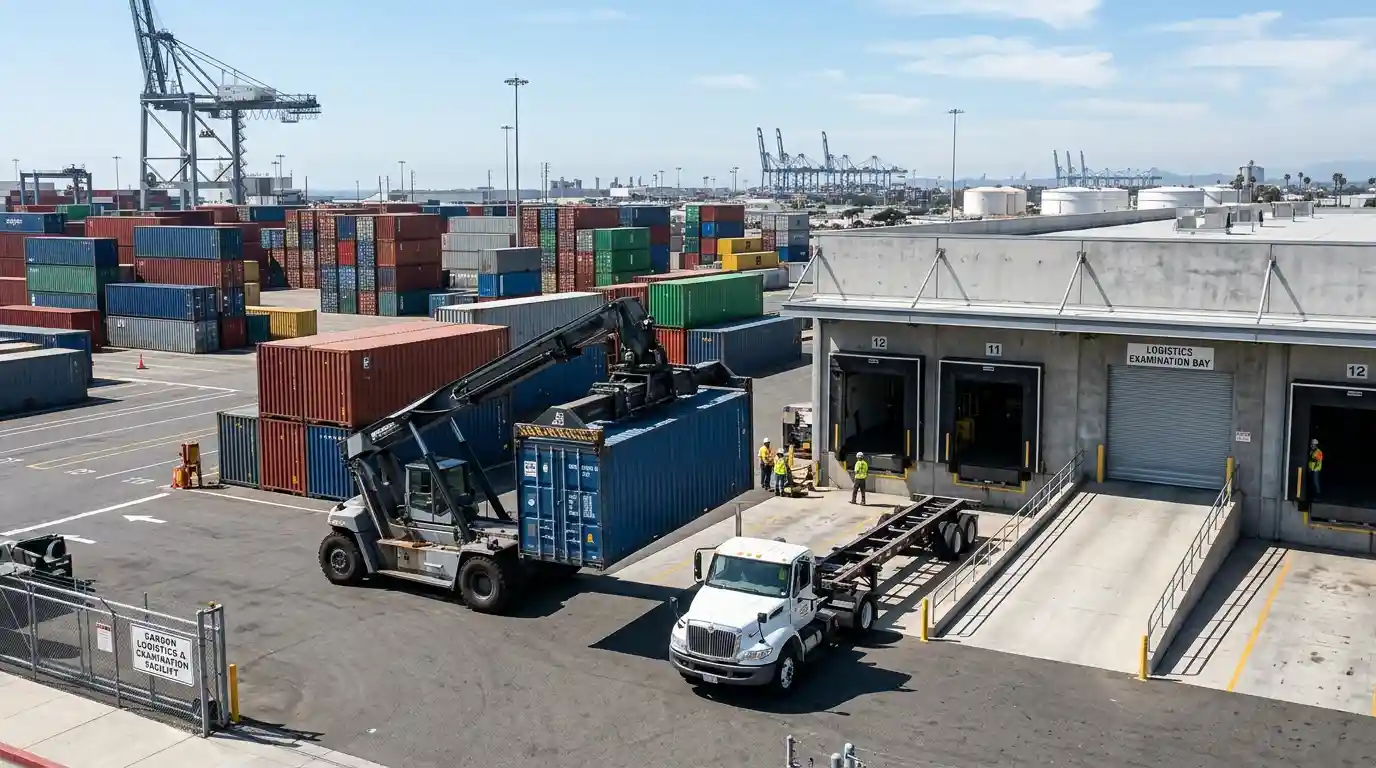
Efficient freight movement depends on more than transporting cargo from one location to another. Importers must also coordinate container handling, customs-related examinations, warehousing, documentation, and onward transportation. When these activities are poorly coordinated, shipments can experience avoidable delays, additional handling costs, and disruptions to inventory planning.
FCL Logistics CES operates in an important part of this process. A Centralized Examination Station (CES) provides facilities where designated import cargo can be examined under the supervision of the relevant U.S. government authorities. FCL Logistics combines its examination operations with warehousing and other cargo-handling services to support importers and their supply chains.
Understanding how these services work helps businesses plan shipments more effectively, prepare for cargo examinations, and coordinate the movement of goods through busy freight networks.
What Is FCL Logistics CES?
FCL Logistics CES is associated with Centralized Examination Station operations serving import cargo near the Ports of Los Angeles and Long Beach in California. These facilities provide a designated location for eligible shipments to undergo required examinations before proceeding through the import process.
For importers, a CES can serve as an important operational link between port transportation, government inspection requirements, warehouse handling, and subsequent delivery. Rather than viewing an examination as an isolated administrative step, businesses should treat it as one part of the complete freight journey.
FCL Logistics also offers related services such as warehousing, transloading, cross-docking, cargo reworking, and handling for certain overweight shipments. The availability and suitability of individual services depend on the shipment, applicable requirements, and the arrangements made with the provider.
Understanding the Role of a Centralized Examination Station
Import shipments may be selected for examination to address customs, agricultural, product-compliance, or other regulatory requirements. The type of examination and the authority responsible for it determine what happens next.
A centralized examination facility gives authorized personnel a designated environment in which cargo can be accessed and examined. Depending on the shipment and applicable instructions, this may involve unloading a container, presenting particular goods for inspection, or coordinating additional handling.
The process generally requires cooperation among importers, customs brokers, freight forwarders, trucking companies, warehouse personnel, and government authorities. Clear communication helps each party understand when cargo is available, what documentation is required, and what conditions must be satisfied before release.
How FCL Logistics Supports Freight Operations
1. Cargo Examination and Handling
Examination-related handling is a central part of CES operations. Cargo may need to be made accessible to authorized inspectors, moved within a designated facility, or returned to an appropriate storage or transportation arrangement after the examination.
Careful coordination can help reduce confusion over container movements, handling instructions, and cargo availability. Importers should confirm examination requirements with their customs broker and the responsible authorities rather than assume every shipment follows the same process.
2. Warehousing and Temporary Storage
Warehousing provides space for cargo that requires handling, staging, or temporary storage as part of the freight process. This can be particularly useful when an import shipment cannot move directly from the port to its final destination.
Effective warehouse coordination involves accurate inventory records, clear cargo identification, suitable storage arrangements, and timely communication about the next movement. These practices can also support businesses managing complex distribution operations and specialized supply chains, including those described in our related article about global pharmaceutical logistics.
3. Transloading and Cross-Docking
Transloading involves transferring cargo from one transportation unit to another. For example, goods arriving in a marine container may be transferred to a domestic trailer for onward movement. Cross-docking, meanwhile, generally involves transferring incoming goods to outbound transportation with limited storage time.
These methods can help businesses organize cargo movements around available equipment, delivery schedules, and warehouse capacity. However, their value depends on shipment characteristics, labor requirements, transportation availability, and total handling costs.
Importers comparing providers can also examine how other logistics businesses describe their shipping and handling services, including Tru Blu Logistics and Carolina Logistics.
4. Specialized Cargo and Regulatory Coordination
Some shipments require additional attention because of their contents, storage conditions, handling requirements, or regulatory status. Agricultural products, for example, may be subject to particular inspection procedures. Other commodities may require different documentation or handling arrangements.
Businesses should establish the nature of any required examination before scheduling transportation or making delivery commitments. They should also confirm whether a facility can accommodate the specific cargo and the relevant inspection requirements.
Why Location Matters in Freight and Container Logistics
The location of a logistics facility can affect trucking distances, container availability, scheduling, and the number of movements required to complete an import shipment. Facilities positioned near major ports may provide practical advantages when cargo needs examination or additional handling before entering domestic distribution networks.
FCL Logistics is located in Carson, California, near the Ports of Los Angeles and Long Beach. This location can be relevant for importers whose shipments move through these gateways, although actual transit times and savings depend on port conditions, appointment availability, traffic, and the specific movement involved.
Businesses should evaluate the complete journey rather than compare facilities solely by distance. A useful assessment considers drayage charges, waiting time, handling fees, storage, examination requirements, and the cost of onward transportation.
Technology and Communication in Modern Freight Management
Freight operations involve many organizations, each responsible for different parts of a shipment. Delays can occur when appointment details, cargo status, examination instructions, or delivery information are not communicated clearly.
Digital tools can improve coordination by helping teams organize shipment records, exchange documents, monitor milestones, and identify exceptions. Businesses exploring wider operational technology can read about technology and development workflows and the role of digital systems in business operations.
For logistics managers, the practical objective is straightforward: make accurate information available to the people who need it, when they need it. Technology works best when supported by consistent procedures, reliable data, and clear responsibility for each shipment milestone.
How Businesses Can Reduce Avoidable Freight Delays
Although not every delay can be prevented, importers can improve readiness by preparing for common operational requirements.
- Confirm documentation early: Work with the customs broker to ensure that the necessary commercial and shipping documents are complete and consistent.
- Clarify examination requirements: Identify the responsible authority and confirm what is required before the shipment can proceed.
- Coordinate trucking appointments: Align pickup and delivery arrangements with the facility’s operating procedures and cargo availability.
- Plan for additional handling: Include possible unloading, reloading, storage, and transfer requirements in operational planning.
- Track key milestones: Maintain visibility into arrival, examination, release, and onward movement.
- Review the total cost: Consider handling, waiting, storage, transportation, and administrative expenses together rather than comparing only the initial freight rate.
Businesses can also learn from broader operational approaches discussed in business service management and scaling business operations, particularly where coordination across teams is essential.
Choosing a Logistics Partner for Import Shipments
The right logistics arrangement depends on the type of cargo, port of entry, examination requirements, delivery destination, and service expectations. A provider’s ability to support a particular shipment should be verified before cargo is dispatched or a delivery schedule is finalized.
When evaluating a CES or related logistics provider, importers should ask about facility capabilities, accepted cargo types, operating hours, handling procedures, appointment requirements, storage arrangements, and charges that may apply if a shipment is delayed.
They should also clarify which responsibilities remain with the importer, customs broker, carrier, and government authorities. A logistics provider can coordinate physical handling and related services, but it cannot independently guarantee regulatory clearance or a particular release time.
For a broader view of logistics and service operations, readers may also explore modern supply-chain logistics and integrated logistics solutions.
The Connection Between Freight, Manufacturing, and Distribution
Logistics performance influences more than transportation. It can affect production schedules, inventory availability, customer commitments, and the timing of goods entering distribution channels.
Manufacturers and importers need to coordinate inbound cargo with storage capacity and downstream demand. Where goods require additional processing or handling, teams should account for these steps before promising a delivery date. Businesses interested in the relationship between production and operational planning can also read about secondary manufacturing processes.
Retailers face similar coordination challenges when imported goods must move from ports into warehouses, stores, or fulfilment networks. Effective freight planning can help reduce uncertainty, but results depend on realistic lead times, reliable communication, and contingency arrangements.
Conclusion
FCL Logistics CES illustrates how examination facilities and related cargo-handling services fit into the wider freight process. By combining centralized examination operations with warehousing, transloading, cross-docking, and other services, a logistics facility can support importers managing cargo through the Los Angeles and Long Beach gateway region.
For businesses, the key to more predictable freight movement is preparation. Confirming examination requirements, organizing documentation, coordinating transportation, and understanding the full cost of cargo handling can help reduce avoidable disruptions.
Every shipment has its own operational and regulatory requirements. Importers should verify service availability and current procedures directly with the relevant provider, customs broker, carrier, and government authority before making final shipping arrangements.
FCL Logistics CES: Transforming Global Freight with Precision and Speed
Efficient freight movement involves much more than transporting goods from a port to a warehouse. Importers must coordinate container handling, regulatory examinations, documentation, temporary storage, and onward transportation. When these activities are poorly coordinated, shipments may experience delays, unexpected handling charges, and disruptions to inventory planning.
FCL Logistics CES operates within this important part of the freight process. A Centralized Examination Station (CES) provides a designated facility where eligible import cargo can undergo examinations under the supervision of the relevant U.S. government authorities. By combining examination operations with related cargo-handling services, FCL Logistics supports businesses navigating complex import procedures.
Understanding how these services work helps importers plan shipments, coordinate transportation, and prepare for the operational requirements that can affect cargo movement.
What Is FCL Logistics CES?
FCL Logistics CES is based in Carson, California, near the Ports of Los Angeles and Long Beach. Its Centralized Examination Station provides a designated location for import cargo to undergo required examinations. The facility also supports related logistics activities, including warehousing, transloading, cross-docking, and certain cargo-reworking services.
These services address different stages of the import process. Examination facilities help make cargo available for authorized inspections, while warehousing and cargo transfers can support the movement of goods before or after an examination.
Not every shipment requires the same services. The type of cargo, instructions from government authorities, transportation arrangements, and the importer’s requirements determine which activities are necessary.
Understanding Centralized Examination Stations
Import shipments may be selected for examination to address customs, agricultural, product-compliance, or other regulatory requirements. The responsible authority determines the applicable examination process and any conditions that must be satisfied before cargo can proceed.
A CES provides an organized environment in which designated personnel can access and examine shipments. Depending on the instructions, the process may involve unloading a container, presenting particular goods for inspection, or arranging additional handling.
Several parties may be involved, including importers, customs brokers, freight forwarders, trucking companies, warehouse personnel, and government authorities. Each party has a different responsibility, making timely communication essential.
Importers should confirm examination instructions and documentation requirements with their customs broker and the responsible authority before making assumptions about release dates.
Key Services That Support Freight Movement
1. Cargo Examination and Handling
Examination-related handling involves preparing cargo for inspection, making goods accessible to authorized personnel, and coordinating subsequent movements. Depending on the shipment, containers or individual items may need to be moved within a designated facility.
Clear handling instructions can help prevent confusion about cargo identification, container movements, and the next transportation appointment. Businesses should also establish who is responsible for arranging each step.
2. Warehousing and Temporary Storage
Warehousing provides a place to hold cargo when immediate onward delivery is not possible or when additional handling is required. For importers, suitable storage arrangements can help manage the gap between port arrival, examination, release, and final distribution.
Good warehouse coordination depends on accurate inventory records, appropriate storage conditions, and reliable communication about cargo availability. These considerations become especially important for specialized goods, including those discussed in our article on global pharmaceutical logistics.
3. Transloading and Cross-Docking
Transloading involves transferring cargo from one transportation unit to another. For example, goods arriving in a marine container may be transferred to a domestic trailer for onward delivery. Cross-docking generally involves moving incoming goods to outbound transportation with limited time in storage.
These approaches can help businesses coordinate transportation equipment, warehouse capacity, and delivery schedules. Their actual benefits depend on cargo characteristics, labor requirements, handling costs, and the availability of suitable transportation.
Businesses comparing logistics providers can also explore the services discussed in our articles about shipping and logistics operations and integrated supply-chain solutions.
4. Specialized Cargo and Regulatory Coordination
Some cargo requires additional attention because of its contents, storage conditions, or regulatory status. Agricultural goods, for instance, may be subject to specific inspection procedures, while other commodities may require particular documents or handling arrangements.
Before dispatching a shipment, importers should confirm that the selected facility can accommodate the cargo and the applicable requirements. They should also clarify any special handling needs and determine whether additional services must be arranged.
Why Facility Location Matters
A logistics facility’s location can influence trucking distances, container availability, scheduling, and the number of movements required to complete an import shipment. Facilities near major ports may be useful when cargo needs examination or additional handling before entering domestic distribution networks.
FCL Logistics is positioned near the Ports of Los Angeles and Long Beach, making its location relevant to businesses moving cargo through these gateways. However, proximity alone does not guarantee faster delivery. Port congestion, appointment availability, traffic, examination requirements, and cargo readiness can all affect timing.
Importers should evaluate the complete journey rather than compare facilities solely by distance. A useful cost assessment includes drayage, waiting time, examination-related handling, storage, and onward transportation.
Similar coordination challenges appear throughout the wider logistics sector, including the operational approaches discussed in modern supply-chain logistics and integrated logistics services.
Technology and Communication in Freight Management
Freight operations often involve multiple organizations working on different parts of the same shipment. Problems can arise when examination instructions, cargo status, documentation, or delivery appointments are not communicated clearly.
Digital tools can help logistics teams organize shipment records, exchange documents, monitor milestones, and identify operational exceptions. However, technology is most effective when supported by accurate data, consistent procedures, and clearly assigned responsibilities.
Businesses exploring wider operational improvements may find useful context in our articles about digital transformation in transportation-related industries and technology and development workflows.
For logistics managers, the practical objective is to make reliable information available to the right people at the right time. Shipment milestones should be visible to the teams responsible for documentation, examination coordination, trucking, and final delivery.
How Importers Can Reduce Avoidable Delays
Not every delay can be prevented, particularly when government examinations or unexpected port conditions are involved. Nevertheless, importers can improve operational readiness by following several practical steps.
- Prepare documentation early: Work with the customs broker to ensure that commercial and shipping documents are complete and consistent.
- Confirm examination requirements: Identify the responsible authority and clarify what must happen before cargo can proceed.
- Coordinate transportation appointments: Align trucking arrangements with facility procedures and confirmed cargo availability.
- Plan for additional handling: Account for possible unloading, reloading, storage, and transfer requirements.
- Track shipment milestones: Monitor arrival, examination, release, and onward movement.
- Review total logistics costs: Consider handling, storage, waiting time, transportation, and administrative charges together.
- Establish contingency plans: Decide how to respond if an examination takes longer than expected or a transportation appointment changes.
These principles are relevant beyond freight handling. Effective coordination also supports the wider operational planning described in our articles about business service operations and scaling business operations.
Choosing a Logistics Partner for Import Shipments
The right logistics arrangement depends on cargo type, port of entry, examination requirements, delivery destination, and service expectations. Businesses should verify that a provider can accommodate their particular shipment before dispatching cargo or committing to a delivery schedule.
When evaluating a CES or related logistics provider, importers should ask about accepted cargo types, examination capabilities, operating hours, appointment procedures, storage arrangements, handling charges, and fees that may apply when a shipment is delayed.
It is also important to establish which responsibilities remain with the importer, customs broker, carrier, and government authorities. A logistics provider can coordinate physical handling and related services, but it cannot independently guarantee regulatory clearance or a specific release time.
Companies reviewing their broader operational requirements may also explore business service management strategies and operational planning and business services for additional perspectives on coordinating complex activities.
The Connection Between Freight, Manufacturing, and Distribution
Freight performance affects more than transportation. It can influence production schedules, inventory availability, customer commitments, and the timing of goods entering distribution networks.
Manufacturers and importers need to coordinate inbound cargo with storage capacity and downstream demand. Where goods require additional processing or handling, those steps should be considered before promising delivery dates. Businesses interested in the relationship between production and operational planning can also read about secondary manufacturing processes.
Retailers face similar challenges when imported goods must move from ports into warehouses, stores, or fulfilment networks. Coordinating freight with inventory planning can help reduce uncertainty, although the outcome depends on realistic lead times and reliable communication.
The same principle applies to growing online businesses. As order volumes increase, inbound shipping, storage, and distribution need to keep pace with demand. Our article on the future of e-commerce offers a related business perspective on changing digital commerce operations.
Conclusion
FCL Logistics CES illustrates how centralized examination facilities and related cargo-handling services fit into the wider freight process. By combining examination operations with warehousing, transloading, cross-docking, and other services, a logistics facility can support importers moving cargo through the Los Angeles and Long Beach gateway region.
For businesses, more predictable freight movement begins with preparation. Confirming examination requirements, organizing documentation, coordinating transportation, and understanding the full cost of cargo handling can help reduce avoidable disruptions.
Every shipment has its own operational and regulatory requirements. Importers should verify service availability and current procedures directly with the relevant provider, customs broker, carrier, and government authority before finalizing shipping arrangements.