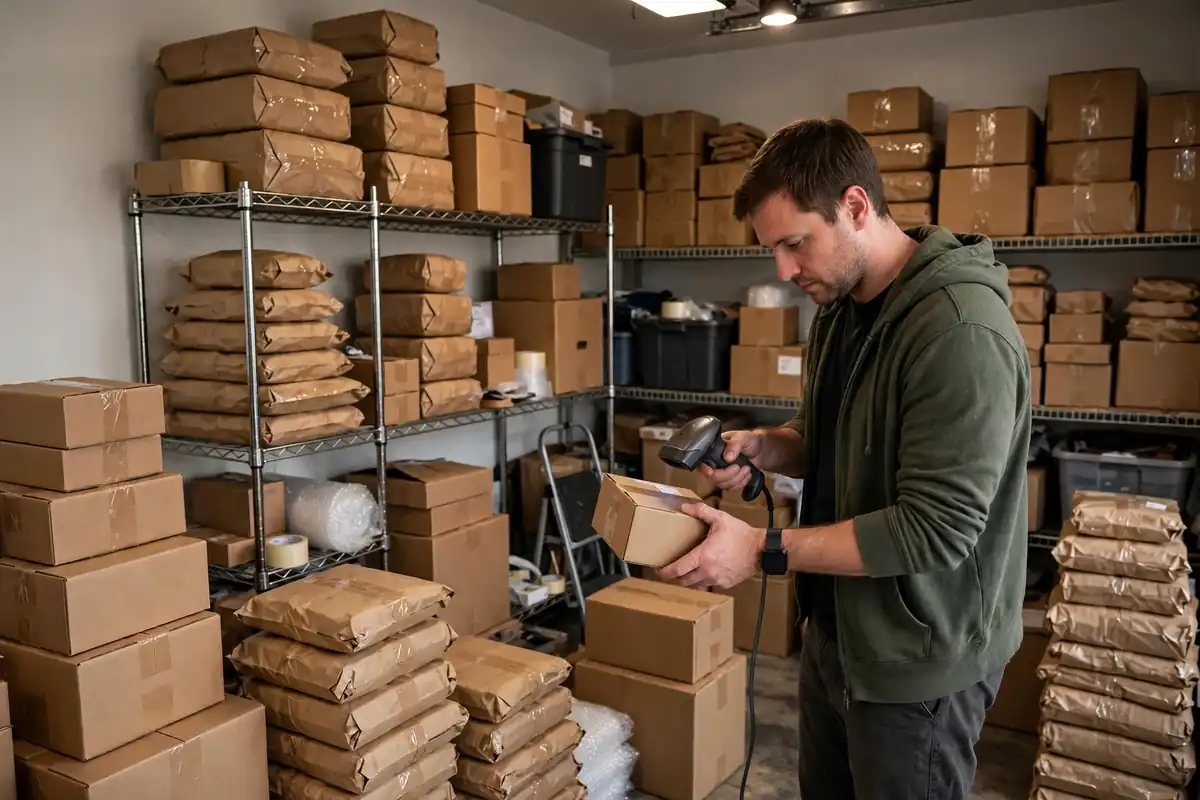
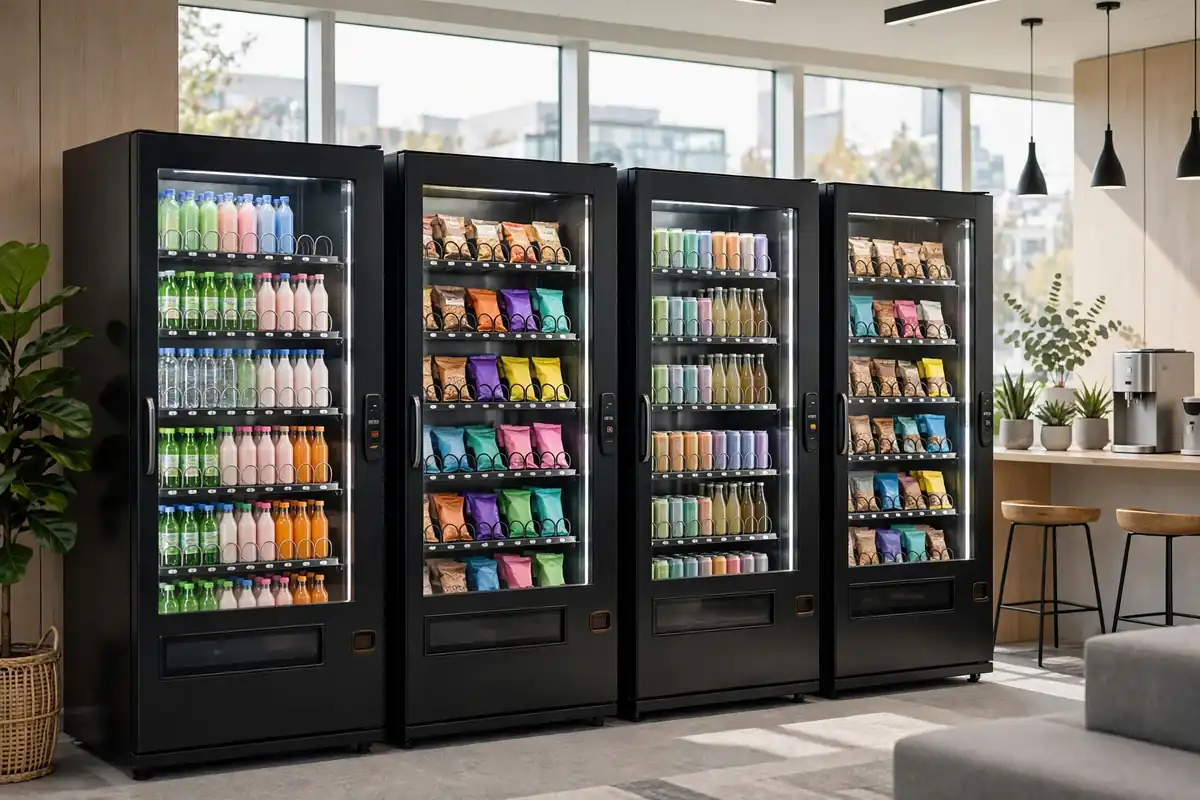
Walk through any busy American office, apartment complex, or gym and you will spot them humming quietly in the corner: vending machines. The vending machine business looks almost too simple to work, yet thousands of Americans run profitable routes of snack and drink machines as a side hustle or even a full-time income. In 2026, with cashless payment technology and remote monitoring built into modern machines, starting a vending machine business is more beginner-friendly than ever.
This guide breaks down exactly how to start a vending machine business in the USA — real startup costs, where to place machines, what to sell, the legal steps, and the mistakes that sink beginners. If you have ever wondered whether vending can pay your bills, keep reading. The answer might surprise you.
How to Start a Vending Machine Business: The Big Picture
At its core, learning how to start a vending machine business means buying machines, securing profitable locations, stocking them with products people actually want, and servicing them on a regular route. You earn money on the margin between wholesale product cost and the retail price in the machine.
Industry surveys and operator reports commonly cite gross margins of 25 to 50 percent on snacks and drinks, with top-performing machines in strong locations generating several hundred dollars per month in revenue. A single machine will not make you rich — the real business model is the route: a collection of 5, 10, or 20 machines that you service on a schedule.
The appeal is obvious. You set your own hours, you need no employees at the start, inventory is simple, and machines work around the clock. The challenge is equally real: locations are everything, and finding great ones takes hustle.
How Much Does It Cost to Start a Vending Machine Business?
Your startup cost depends on whether you buy new or used equipment. A brand-new combination snack-and-drink machine with card reader and remote monitoring typically costs $5,000 to $8,000. A quality refurbished machine runs $2,000 to $4,000. Many beginners start with two or three refurbished machines, putting total startup costs in the $8,000 to $15,000 range including initial inventory and transportation.
Beyond the machines themselves, budget for these items:
- Initial inventory: $200 to $400 per machine to fully stock it the first time.
- Card reader and telemetry: $300 to $500 per machine if not included, plus a small monthly service fee.
- Business registration and permits: a few hundred dollars in most states — forming an LLC versus operating as a sole proprietorship is a decision worth making early.
- Transportation: a truck or trailer to move machines, or delivery fees from the seller.
- Insurance: general liability coverage, often a few hundred dollars per year.
Before you spend a dollar on equipment, read our guide on how to start a small business in the USA — the registration, tax, and licensing steps apply directly to vending operators too.
Step 1: Research Your Local Market
Not every neighborhood supports a vending route. Before buying anything, spend a few weeks observing. Visit office parks, laundromats, auto repair waiting rooms, gyms, apartment buildings, warehouses, and college campuses near you. Note which machines are full, which are broken, and which locations have none at all.
Talk to business owners. Ask who services their machines and whether they are happy. A surprising number of locations have machines that sit empty or broken for weeks — that is your opening. A professional operator with reliable service wins locations away from neglectful competitors every day.
Step 2: Choose Your Business Structure and Handle the Paperwork
Most vending operators form an LLC in the state where they operate, because it separates your personal assets from business liability for a modest annual fee. You will also need an EIN from the IRS (free), a local business license, and in many states a seller’s permit or vending machine tax decal.
Some states and cities require each machine to display a tax stamp or decal, and sales tax rules for vending differ by state — snacks, drinks, and hot food can be taxed differently. Check your state revenue department’s vending rules before you stock your first machine. Getting this right at the start saves painful corrections later.
Draft a Simple Business Plan
You do not need a 40-page document, but writing a business plan — even a short one — forces you to answer the questions that matter: How many machines will you start with? What will each cost? How much monthly revenue must each machine produce to hit your income goal? What is your plan for finding locations? Lenders and partners take you more seriously when the numbers are on paper.
Step 3: Buy the Right Machines
For beginners, combination machines that sell both snacks and drinks are the smartest buy. One machine serves the whole location, which keeps your equipment cost and service time down. Look for machines with these features:
- Cashless payment: card and mobile payments are no longer optional — many locations now see the majority of sales come from cards.
- Remote monitoring (telemetry): alerts you when inventory runs low or a machine jams, so you only drive out when needed.
- Energy efficiency: LED lighting and energy-saving modes cut your electricity costs, which you usually reimburse to the location host.
- Guaranteed vend sensors: detect failed vends and refund or retry automatically, reducing angry customers and service calls.
Buy from reputable dealers who offer warranties, and always test a used machine fully loaded before money changes hands. A cheap machine that eats dollar bills will cost you more in lost sales than you saved.
Step 4: Find Profitable Locations — The Skill That Makes or Breaks You
Location hunting is the real job in the vending machine business. The best locations share three traits: steady foot traffic, a captive audience with limited food options nearby, and a decision-maker you can reach directly.
Top location types for 2026 include manufacturing plants and warehouses (hungry shift workers), auto repair shops (bored waiting customers), laundromats, apartment complexes with 50+ units, gyms and fitness centers, office buildings, car dealerships, hotels, and family entertainment venues where visitors spend hours. Commission arrangements vary — many locations accept 10 to 20 percent of gross sales, while some simply want free vending for their employees and take nothing.
Pitch professionally: dress well, bring a one-page proposal with your machine photo, product list, and service promise. Offer a free trial period. Follow up — most “yes” answers come on the second or third visit, not the first.
Step 5: Stock Products That Actually Sell
Buy inventory at warehouse clubs or wholesale distributors and track what sells with your telemetry data. The classics dominate for a reason: popular chips, candy bars, bottled water, sodas, and energy drinks. But do not ignore healthier options — many offices and schools now request them, and they carry higher margins.
Price with both margin and volume in mind. A $1.75 soda that costs you $0.55 is a healthy markup, but if a competitor across the street sells it for $1.50, you lose the location. Check local pricing and adjust quarterly. Rotate slow sellers out ruthlessly — dead inventory is dead money.
Step 6: Build a Service Route and System
Consistency is your competitive edge. Set a service schedule — weekly for busy locations, biweekly for slower ones — and stick to it. Each visit: restock, collect cash, clean the machine inside and out, check the card reader, and log everything. Dirty or half-empty machines kill locations faster than anything else.
Keep a simple spreadsheet or route app with each machine’s sales, inventory, and service history. When a machine underperforms for two months straight, either renegotiate the location or move it. Your machines are assets — a machine earning $50 a month in a bad spot could earn $300 in a good one.
Financing Your Vending Machine Business
If your savings do not cover the startup costs, you have options. Our guide to SBA loans explained covers government-backed financing that many small operators use for equipment purchases. Equipment financing from the machine dealer is another common route — the machine itself serves as collateral.
Whatever you do, protect your personal finances while you grow. Keep business and personal money separate from day one, and build an emergency fund so a broken compressor or a lost location never threatens your household budget. If you need to tighten spending to fund the business, these tips on how to save money fast can free up startup capital.
Common Beginner Mistakes to Avoid
After talking to dozens of operators, the same mistakes come up again and again. First, buying too many machines before securing locations — machines sitting in your garage earn nothing. Secure the location, then buy the machine. Second, ignoring cashless payments — in 2026 this genuinely costs you sales. Third, underpricing to win locations and then being unable to service them profitably. Fourth, neglecting the books — track every dollar from day one or tax season will be miserable. Fifth, giving up on location hunting too early — expect 20 rejections for every yes, and treat it as a numbers game.
How to Market and Grow Your Vending Route
Once your first machines are running, growth comes from more locations and better machines. Ask happy location owners for referrals — one introduction is worth fifty cold calls. A simple one-page website and Google Business Profile make you look established when prospects search your name.
Promote on social media too. Our social media marketing strategy playbook and these digital marketing strategies for small businesses scale down perfectly to a local route business — before-and-after photos of your sparkling machines and restocked shelves make great content. Reinvest profits into additional machines rather than lifestyle upgrades until the route can genuinely support you.
Is a Vending Machine Business Worth It in 2026?
For the right person, absolutely. It rewards reliability, basic mechanical sense, and sales hustle — not credentials or big capital. A route of 10 well-placed machines can realistically net a few thousand dollars a month after expenses, and operators who scale to 30 or more machines build genuine small businesses with sellable value.
It is not passive income, despite what social media claims. Machines jam, locations close, and products expire. But compared to most businesses you can start for under $15,000, vending offers something rare: real cash flow from week one, in a business you fully control. If that sounds like your kind of work, the best time to start hunting locations is this week — not next year.