
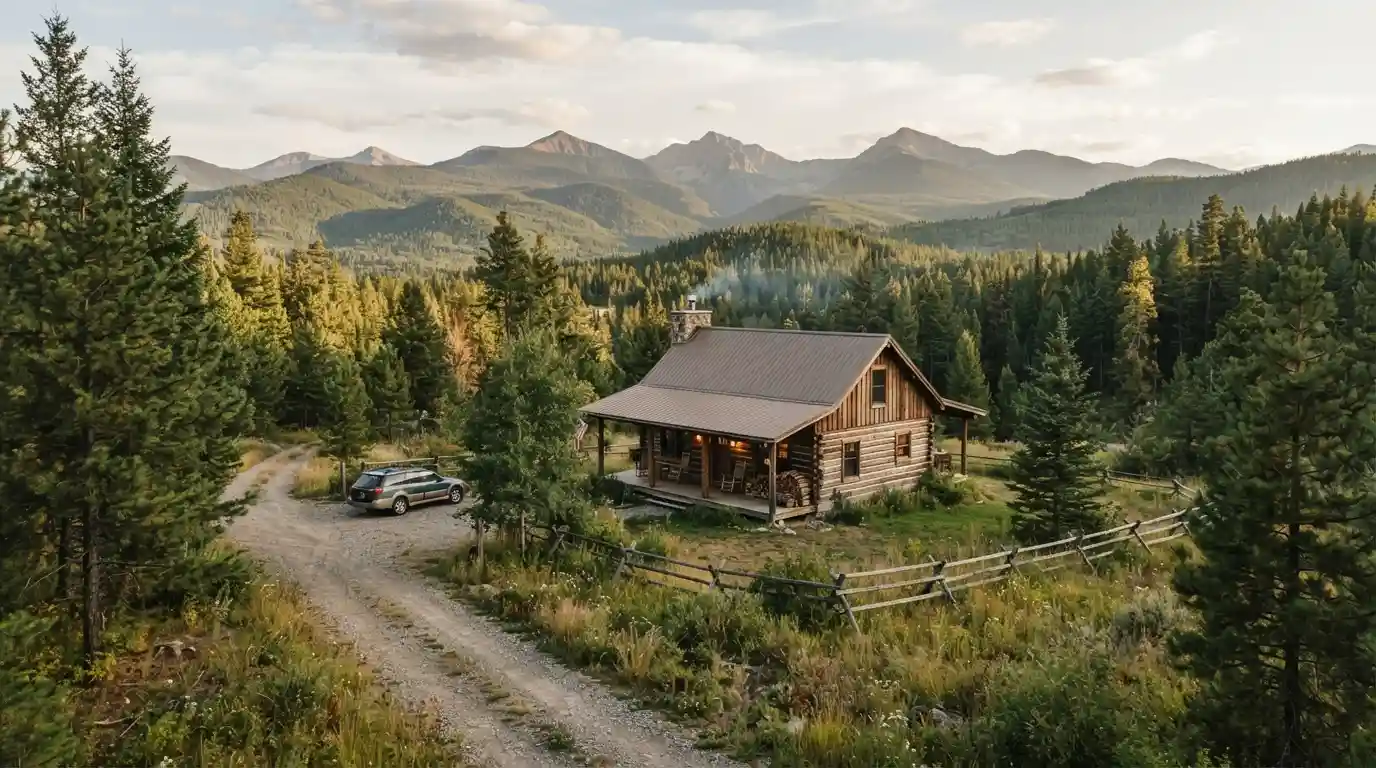
Located in northwestern Montana near the Idaho border, the Yaak Valley is known for its forested landscapes, mountains, rivers, wildlife, and rural character. That combination makes the area appealing to buyers searching for a primary residence, vacation retreat, recreational property, acreage, or a place to build a more private lifestyle.
Before buying, however, prospective owners should understand what makes the Yaak Valley different from conventional real estate markets. Property access, utilities, land characteristics, seasonal weather, financing, maintenance, and long-term plans can all influence the right purchase.
For broader property-market context, readers can also explore real estate opportunities in the property market and learn how different types of property can create distinct ownership and investment considerations.
Why Consider Yaak Montana Real Estate?
Yaak is particularly attractive to people who want to exchange crowded urban environments for a more secluded mountain setting. Instead of dense neighborhoods and busy commercial districts, buyers can find properties surrounded by forests, hills, waterways, and expansive natural scenery.
The area’s appeal can be especially strong for buyers who prioritize outdoor recreation. Hiking, fishing, hunting, wildlife viewing, camping, photography, and exploring backcountry landscapes are among the lifestyle activities that can make rural Montana property attractive.
Buyers interested in mountain living may also want to compare the concept with other mountain-oriented property markets, such as luxury mountain real estate in Ruidoso. While the markets are different, comparing locations can help clarify whether privacy, recreation, accessibility, or investment potential matters most.
Understanding the Yaak Valley Lifestyle
One of the biggest attractions of Yaak property is the lifestyle itself. Rural ownership can provide a stronger connection with nature and more personal space, but it also requires buyers to be comfortable with the practical realities of country living.
Those considering a move should think about how they intend to use the property. A weekend cabin may have very different requirements from a year-round home. Similarly, undeveloped acreage may be attractive to someone planning a custom home but less suitable for a buyer who wants a move-in-ready residence.
Travelers researching the region can also use broader destination resources such as this guide to places to visit in Montana to understand the state’s wider recreational and cultural appeal.
Types of Property Buyers May Find
Mountain Homes
Mountain homes can provide a balance between comfort and access to nature. Depending on the property, buyers may find residences with forest views, larger lots, private outdoor areas, or proximity to recreational opportunities.
Cabins and Vacation Properties
A cabin can be an appealing choice for buyers who primarily want a weekend escape or seasonal retreat. Before purchasing, examine heating systems, winter access, road conditions, water supply, septic arrangements, and maintenance requirements.
Vacant Land and Acreage
Undeveloped land gives buyers greater flexibility but also introduces additional responsibilities. Before committing to acreage, investigate zoning, building restrictions, access, utilities, water availability, septic feasibility, terrain, and the cost of preparing the site for construction.
Investment-Oriented Properties
Some buyers may view rural property as a long-term investment rather than simply a residence. However, investment potential should be evaluated carefully rather than assumed from scenic appeal alone.
Other articles in the LumePost property cluster, including alternative real estate opportunities and property investment considerations, provide useful perspectives on evaluating property beyond its immediate residential use.
What to Evaluate Before Buying Property in Yaak
1. Location and Accessibility
Remote property can be one of Yaak’s greatest attractions, but isolation also makes accessibility an important consideration. Buyers should determine how easily they can reach the property throughout the year and whether roads are privately maintained, publicly maintained, steep, unpaved, or vulnerable to seasonal conditions.
Consider the distance to groceries, medical services, schools, fuel, hardware stores, emergency services, and other necessities. A property that feels perfect during a summer viewing may present a very different experience during winter.
2. Utilities and Infrastructure
Not every rural property has the same utility infrastructure as a suburban home. Depending on the location, buyers may encounter private wells, septic systems, propane, alternative heating systems, private roads, or other arrangements.
Ask for documentation and professional inspections where appropriate. Understanding the condition and expected maintenance costs of these systems can prevent expensive surprises after closing.
For homeowners thinking about technology upgrades after purchasing, LumePost’s guide to smart home devices and daily living offers ideas that may be useful when planning a modern rural home.
3. Land Characteristics
Large acreage can look impressive on a listing, but the total number of acres does not tell the entire story. Buyers should consider terrain, usable land, forest density, water features, drainage, access points, building locations, and potential environmental limitations.
A professional property inspection and appropriate land-related due diligence can help determine whether the property actually supports the buyer’s intended use.
4. Water and Septic Systems
Water availability is one of the most important considerations for rural property. If a property depends on a private well, buyers should understand its condition, capacity, water quality, and maintenance history.
Likewise, septic systems should be evaluated carefully. A beautiful property can become significantly less attractive if its wastewater infrastructure requires major repairs or replacement.
Yaak Property and Outdoor Recreation
For many buyers, recreation is a major reason to consider Yaak real estate. A rural mountain property can serve as a base for exploring forests, rivers, trails, wildlife habitats, and seasonal outdoor activities.
This makes Yaak particularly interesting for people whose definition of a good home includes access to nature rather than proximity to shopping centers or large entertainment districts.
Outdoor-focused readers can also explore LumePost’s resources on natural destinations, snowy places across the United States, and winter travel destinations for additional perspective on nature-centered lifestyles.
Seasonal Considerations for Montana Property
Seasonality should play an important role in any Yaak property decision. Montana’s winters can affect road access, heating expenses, outdoor maintenance, travel times, and general property management.
Potential buyers should ask what the property is like during the coldest months rather than evaluating it only during favorable weather. Roof condition, insulation, heating capacity, plumbing protection, driveway access, and snow management can all become important.
Anyone considering a seasonal retreat should also think carefully about whether they will occupy the property throughout winter or leave it vacant for extended periods.
Financing a Yaak Montana Property
Financing options can vary depending on the type of property being purchased. A conventional residential home may be easier to finance than undeveloped acreage, a specialized recreational property, or a structure requiring substantial improvements.
Buyers should establish their budget before beginning the search and account for costs beyond the purchase price. These can include property taxes, insurance, utilities, repairs, road maintenance, landscaping, snow management, well and septic maintenance, and future improvements.
For readers comparing different approaches to financing and financial planning, LumePost also covers financial solutions and planning considerations as well as financial opportunities and long-term planning.
Insurance and Risk Considerations
Insurance deserves special attention when purchasing rural or mountain property. Coverage needs can differ based on the structure, location, access, heating systems, outbuildings, land use, and other characteristics.
Before finalizing a purchase, buyers should discuss the property with an insurance professional and understand what risks are covered, what exclusions apply, and whether additional coverage may be necessary.
For a broader look at property-related protection, readers can review LumePost’s article on insurance and future protection and its guide to reliable insurance coverage.
Preparing a Property for Comfortable Rural Living
Once the right property has been identified, buyers may want to make improvements that increase comfort, efficiency, and functionality.
Potential projects can include improving insulation, updating heating systems, adding energy-efficient appliances, creating functional outdoor spaces, improving storage, upgrading internet connectivity, and introducing smart-home technology.
Before starting major projects, it is important to establish priorities based on climate, property condition, budget, and intended use. LumePost’s resource on home improvement and creating a safer, smarter space can provide additional inspiration.
Routine maintenance should also be part of the ownership plan. From cleaning and seasonal preparation to repairs and property inspections, rural homes can require consistent attention. Homeowners can explore home cleaning and property-care considerations as part of a broader maintenance strategy.
Yaak as a Long-Term Lifestyle Choice
Buying property in Yaak is not simply a financial decision. For many people, it represents a lifestyle choice built around privacy, nature, recreation, and a stronger connection to the surrounding landscape.
That lifestyle can be highly rewarding for buyers who genuinely appreciate rural living. However, it may not suit everyone. Those who require frequent access to major cities, extensive retail options, public transportation, or dense community infrastructure may prefer a less remote market.
Buyers should therefore compare their lifestyle priorities with the practical realities of the location before making a decision.
How to Approach Your Property Search
A structured search can make the buying process much easier. Start by identifying the type of property you want, your preferred acreage, intended use, approximate budget, acceptable distance from services, and must-have features.
Next, separate essential requirements from desirable extras. A mountain view may be appealing, but reliable access, water, heating, structural condition, and a suitable building site may ultimately matter more.
It can also be useful to compare Yaak with other property markets. LumePost’s coverage of property-market opportunities and Yaak Montana real estate can be considered as part of a broader property research journey.
Planning the Move and Your New Lifestyle
If Yaak is intended to become a permanent home, the move should be considered from both a property and lifestyle perspective. Think about employment, connectivity, healthcare access, transportation, social needs, recreation, and the amount of property maintenance you are prepared to handle.
Families should pay particular attention to schools, travel distances, and daily routines. Buyers who are relocating from another state may also benefit from researching nearby communities and broader regional destinations before committing to a remote property.
For people who enjoy combining home ownership with travel and exploration, resources such as traveling with children and the vacation-planning experience can offer useful lifestyle-planning ideas.
Final Thoughts
Yaak Montana real estate can appeal to buyers looking for a distinctive combination of privacy, mountain scenery, outdoor recreation, and rural living. From cabins and vacation retreats to homes and acreage, the market can offer opportunities for different types of property buyers.
The key is to look beyond the scenery. Evaluate access, utilities, water, septic, land usability, seasonal conditions, insurance, financing, maintenance, and long-term lifestyle needs before making a purchase.
With thoughtful research and realistic expectations, finding a property in Yaak can become more than a real estate transaction—it can be the beginning of a lifestyle centered around space, nature, and the character of Montana’s northwestern landscape.


