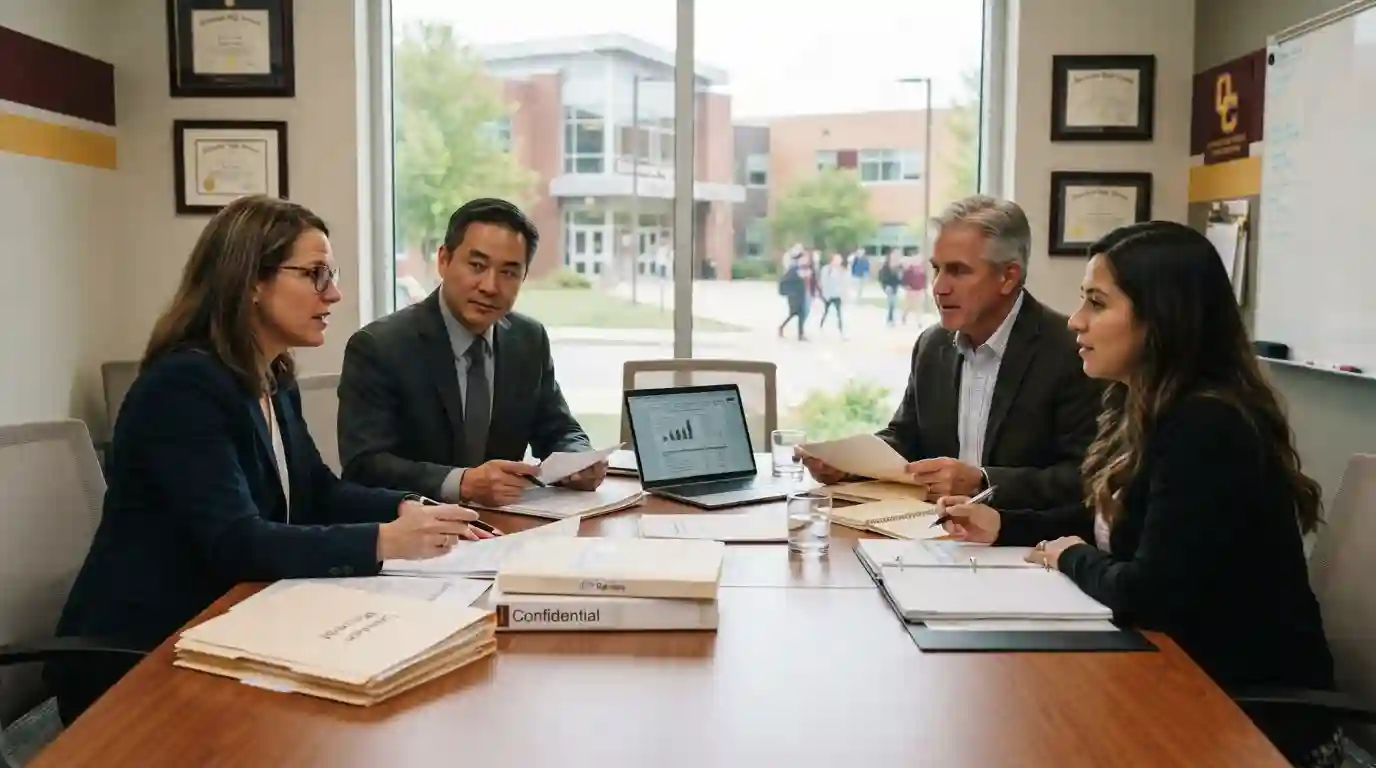
Education law specialists help schools and families understand these complex issues and identify practical ways to protect rights, meet legal obligations, and resolve disputes. Their role can be especially valuable when a situation involves competing interests, formal complaints, hearings, investigations, or potential litigation.
This guide explains what education law specialists do, the types of school challenges they handle, when professional legal guidance may be appropriate, and how families and educational institutions can prepare for an education-law matter.
What Are Education Law Specialists?
Education law specialists are legal professionals who focus on laws, regulations, policies, and disputes involving educational institutions and the people they serve. Their work can cover public and private schools, school districts, colleges, universities, educators, students, and families.
Because education law overlaps with areas such as disability rights, employment law, administrative law, civil rights, privacy, and contract law, these professionals often need to evaluate more than one legal issue at the same time.
For families researching educational opportunities, understanding the broader education landscape can also be useful. Resources such as Spire Education provide a useful point of comparison when considering how educational programs and opportunities are structured.
Why Education Law Can Become Complicated
Education is governed by a combination of federal requirements, state laws, local regulations, district policies, institutional procedures, and individual agreements. A dispute that appears straightforward may therefore involve several different sources of authority.
For example, a disagreement about a student’s educational placement could involve disability accommodations, school procedures, documentation, parental participation, and the student’s individual circumstances. Similarly, an employee dispute may involve institutional policies alongside employment and administrative requirements.
This complexity is one reason specialized legal guidance can be more useful than attempting to interpret every applicable rule independently.
Common Issues Education Law Specialists Handle
Education law covers a broad range of matters. The exact issues a specialist handles will depend on their practice area, jurisdiction, and professional experience, but common categories include the following.
1. Special Education and Disability-Related Matters
Students with disabilities may have specific educational rights and may require individualized services, accommodations, or support. Disagreements can arise when families believe a school has not properly evaluated a student’s needs or provided appropriate educational services.
Legal professionals can help families understand documentation, school procedures, administrative options, and potential dispute-resolution processes. Schools may also seek legal advice when developing policies or responding to complaints involving disability-related obligations.
2. Student Discipline and School Suspensions
Disciplinary action can create significant concerns for students and parents, particularly when suspension, expulsion, or another serious consequence is involved.
Education law specialists can review the school’s procedures, relevant policies, available evidence, and the circumstances surrounding the disciplinary decision. They may help a family understand its procedural options or assist an institution in ensuring that disciplinary processes are properly documented and consistently administered.
3. Student Rights and School Policies
Students may encounter questions involving speech, privacy, searches, school activities, discrimination, accommodations, records, or other rights-related matters.
Not every disagreement requires legal action. However, when a dispute becomes formal or potentially affects a student’s significant educational interests, professional legal guidance can help clarify the applicable issues and available options.
4. Bullying, Harassment, and Discrimination Concerns
Schools have responsibilities concerning student safety and equal access to education. Allegations involving bullying, harassment, or discrimination can therefore become serious administrative and legal matters.
Education law specialists may help families understand complaint procedures and documentation requirements. Schools may also use legal counsel when reviewing allegations, developing corrective measures, or responding to formal complaints.
Student wellbeing can intersect with these issues, which is why educational institutions may also need to understand broader student mental health considerations when developing supportive policies.
5. School Employment and Educator Issues
Teachers, administrators, counselors, and other school employees can face employment-related disputes involving contracts, workplace policies, evaluations, discipline, termination, accommodations, or professional responsibilities.
Education law specialists with relevant employment experience can help determine which rules and institutional procedures apply. They may represent educators or advise schools on compliance and risk management.
For readers interested in education careers, related resources such as education jobs and teaching careers can provide broader context around employment within the education sector.
6. School Records and Privacy
Educational records can contain sensitive information about students and families. Questions may arise regarding access, disclosure, retention, corrections, and the circumstances under which information can be shared.
When a records dispute becomes complicated, legal guidance can help determine which privacy requirements and institutional procedures may apply.
When Should a Family Consult an Education Law Specialist?
Families do not necessarily need an attorney every time they disagree with a school. Many routine concerns can be addressed through direct communication with teachers, counselors, administrators, or district personnel.
However, professional guidance may become more appropriate when:
- A formal complaint or hearing has been initiated.
- A student faces serious disciplinary consequences.
- A disability-related educational dispute remains unresolved.
- A family believes a student’s legal rights may have been violated.
- There are allegations involving discrimination or harassment.
- A school has issued a significant formal decision that the family wants reviewed.
- Communication with the school has broken down.
- The matter may result in administrative proceedings or litigation.
Seeking advice early can sometimes help families understand their options before a disagreement becomes more difficult to resolve.
When Schools May Need Education Law Specialists
Legal guidance is not only for students and parents. Schools and educational organizations also face complex compliance and dispute-resolution responsibilities.
Administrators may seek specialized advice when handling:
- Student discipline matters
- Special education disputes
- Employment and personnel issues
- Discrimination complaints
- Student privacy questions
- School policy development
- Investigations and formal complaints
- Contracts and institutional agreements
- Regulatory compliance concerns
- Administrative hearings or litigation
Strong legal planning can help schools identify potential problems before they develop into costly and disruptive disputes.
Education Law and Student Wellbeing
Legal and educational concerns do not exist in isolation. Students experiencing academic difficulties, disciplinary problems, bullying, or major school transitions may also experience emotional or psychological stress.
That makes communication between families, schools, and appropriate support professionals particularly important. Resources covering mental health services and community health resources can provide additional context for readers exploring the relationship between education and broader wellbeing.
Legal specialists do not replace medical, psychological, or educational professionals. Instead, their role is to address the legal dimensions of a situation while other qualified professionals address their respective areas of expertise.
How to Prepare for an Education Law Consultation
Good preparation can make an initial consultation much more productive. Families and school administrators should organize relevant information before speaking with legal counsel.
Collect Important Documents
Depending on the matter, useful documents may include school correspondence, disciplinary notices, evaluations, educational plans, meeting records, policies, contracts, emails, and formal complaints.
Keeping documents organized chronologically can make it easier to understand how the dispute developed.
Create a Clear Timeline
Write down the major events in order. Include important meetings, communications, decisions, deadlines, and responses.
A concise timeline can help a legal professional identify important facts quickly and determine which issues deserve closer attention.
Preserve Written Communication
Emails, letters, notices, and other written communications may provide important context. Avoid deleting potentially relevant records while a dispute is active.
Identify the Desired Outcome
Before seeking legal assistance, consider what resolution you are hoping to achieve. The goal could be correcting a school record, obtaining an educational service, challenging a decision, resolving a disciplinary matter, negotiating an agreement, or simply understanding available options.
How to Choose the Right Education Law Specialist
Not every attorney has the same experience. Education law can be highly specialized, so choosing a professional whose background matches the specific issue is important.
Consider asking about:
- Experience with similar education-law matters
- Experience representing families, educators, or institutions
- Knowledge of the relevant state and local legal environment
- Experience with administrative proceedings
- Communication and documentation practices
- Fee structure and billing arrangements
- Expected timeline and potential next steps
Families may also want to understand whether the professional primarily handles negotiation and administrative resolution or regularly represents clients in litigation.
Education, Career Planning, and Legal Awareness
Legal awareness can benefit people at different stages of their educational journey. Students exploring career paths, for example, may encounter educational policies and professional requirements that influence their choices.
Those interested in teaching-related careers can explore resources such as health teacher career opportunities, while individuals exploring specialized educational programs can review additional education resources.
Even practical training programs can involve rules and institutional requirements. For example, driver education programs illustrate how structured educational services operate around defined standards and responsibilities.
The Importance of Clear School Policies
Clear policies are an important part of preventing unnecessary disputes. Schools benefit when expectations concerning discipline, student conduct, accommodations, privacy, complaints, and communication are easy to understand.
Policies should also be applied consistently. Inconsistent enforcement can create confusion and may contribute to complaints from students, parents, or employees.
Legal professionals can assist institutions in reviewing policies and identifying areas where clearer procedures may reduce legal and administrative risk.
Education Law and Community Support
School challenges can extend beyond the classroom. Families may need to coordinate educational, health, counseling, and community resources depending on the circumstances.
For example, community-oriented resources such as community health services, home health services, and home care resources demonstrate how families may interact with support systems outside the school environment.
These resources do not replace education-law advice, but they can be part of a broader support network when a student’s needs extend beyond academic issues.
Specialized Educational and Health Considerations
Some students require specialized support because of physical, developmental, or other individual needs. In those situations, educational planning may involve coordination between families, schools, and qualified healthcare professionals.
Resources such as specialized healthcare services can help illustrate the broader range of professional support that families may encounter.
When legal questions arise within these situations, an education law specialist can help clarify the legal responsibilities of the relevant educational institution without replacing the expertise of healthcare or educational professionals.
Why Early Legal Guidance Can Matter
One of the biggest advantages of obtaining qualified legal guidance early is clarity. Families and institutions often become frustrated because they are unsure which procedure applies, which documents matter, or what options are realistically available.
A specialist can help identify the central legal issue, explain possible paths forward, and distinguish between matters that may be resolved informally and those that may require a formal process.
Early guidance does not necessarily mean taking aggressive legal action. In many cases, the objective is simply to understand rights and responsibilities well enough to have a more productive conversation.
Common Mistakes to Avoid During a School Dispute
Emotional school disputes can become more complicated when communication is rushed or poorly documented. Several practical mistakes are worth avoiding.
- Ignoring official notices or deadlines.
- Deleting emails or other potentially relevant records.
- Relying exclusively on verbal conversations.
- Making accusations without supporting documentation.
- Assuming every disagreement is automatically a legal violation.
- Waiting until an important hearing or deadline to seek advice.
- Sharing confidential student information unnecessarily.
- Choosing legal representation without checking relevant experience.
A calm, organized approach can make it easier for everyone involved to understand the underlying issue and work toward an appropriate resolution.
Education Law Is About More Than Litigation
It is easy to assume that education lawyers become involved only when a case reaches court. In reality, legal assistance can involve many forms of problem-solving before litigation becomes necessary.
Negotiation, policy review, administrative advocacy, documentation, compliance planning, mediation, and communication can all play important roles in resolving education-related issues.
This broader approach can help schools and families focus on practical solutions rather than treating every disagreement as a courtroom battle.
Building Better Educational Outcomes Through Informed Decisions
Education law specialists can provide valuable guidance when legal questions intersect with a student’s education, an educator’s employment, or an institution’s responsibilities. Their expertise can help clarify complicated rules, evaluate documentation, prepare for formal processes, and identify appropriate paths toward resolution.
At the same time, legal guidance works best when combined with clear communication and accurate information. Families should keep organized records, understand school procedures, meet important deadlines, and seek appropriate professional support when a matter becomes serious or complex.
Educational institutions can benefit from the same principles. Clear policies, consistent procedures, careful documentation, and proactive legal review can reduce confusion and help schools respond more effectively to challenging situations.
Final Thoughts
School-related legal challenges can affect students, families, educators, and institutions in significant ways. Whether the issue involves special education, discipline, student rights, discrimination, privacy, employment, or institutional compliance, understanding the legal framework is an important first step.
Education law specialists bring focused legal knowledge to these situations and can help clients understand their rights, responsibilities, options, and potential next steps. The right professional guidance can turn a confusing school dispute into a structured process based on documentation, applicable rules, and realistic goals.
When an education matter becomes formal, time-sensitive, or difficult to resolve through normal school channels, obtaining advice from a qualified education-law professional can help ensure that important decisions are made with a clearer understanding of the legal landscape.