
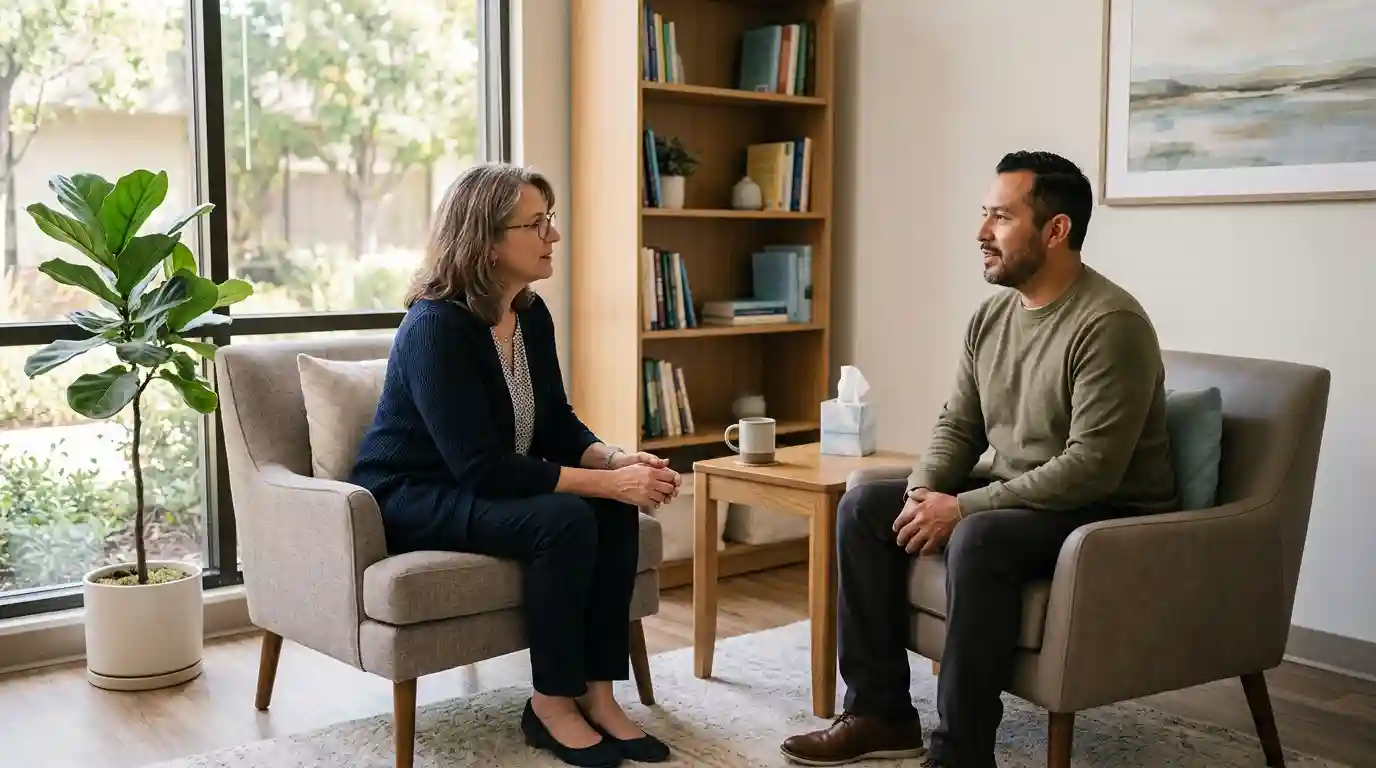
The future of adult mental health care is increasingly focused on accessibility, individualized treatment, early support, and coordination between different types of health professionals. A forward-looking Visalia adult mental health clinic can serve as a useful model for understanding how communities may improve the way adults access psychological support while maintaining dignity, privacy, and personal choice.
Understanding the Need for Adult Mental Health Services in Visalia
Adults experience a range of emotional and psychological challenges throughout their lives. Work pressure, financial uncertainty, family responsibilities, grief, relationship difficulties, and major life changes can affect emotional well-being. Some people also experience persistent anxiety, depression, trauma-related symptoms, or other mental health conditions that require professional assessment and treatment.
Recognizing these concerns is an important first step. However, knowing where to seek help can be difficult, particularly when people face financial limitations, transportation challenges, long waiting periods, or concerns about stigma.
Accessible local services can help reduce these barriers by making it easier to explore treatment options and understand what kind of support may be appropriate. Community health resources, such as those discussed in this overview of health center services, illustrate the broader role healthcare organizations can play in connecting people with care.
For residents of Visalia, the most appropriate starting point depends on individual needs, the urgency of symptoms, insurance coverage, and the availability of qualified providers. A clinic should clearly explain its services rather than assume that every person requires the same approach.
What Makes a Modern Adult Mental Health Clinic Different?
A modern mental health clinic should place the individual at the center of treatment. Rather than offering the same plan to everyone, qualified professionals can assess a person’s symptoms, personal circumstances, medical history, preferences, and treatment goals.
Individualized assessment and treatment planning
An initial assessment helps a clinician understand what a person is experiencing and determine suitable next steps. Depending on the circumstances, care may involve psychotherapy, psychiatric evaluation, medication management, referrals to other professionals, or a combination of services.
Effective planning also includes reviewing progress and adjusting treatment when necessary. A person experiencing persistent anxiety, for example, may need a different approach from someone managing grief, trauma, or a long-term mood disorder.
Accessible counseling options
Scheduling difficulties and transportation can prevent people from attending appointments consistently. Where clinically appropriate and legally permitted, telehealth may provide another way to access qualified mental health professionals.
In-person appointments remain important for many individuals, particularly when a physical examination, specialized assessment, or higher level of care is needed. A flexible service model should explain the advantages and limitations of each available option.
Respect, confidentiality, and informed choice
Trust is essential in mental health care. Patients should understand how their information is protected, what treatment involves, what costs may apply, and what alternatives are available.
Clinicians should explain recommendations in understandable language and encourage patients to ask questions. Treatment decisions should reflect professional judgment alongside the individual’s needs, preferences, and informed consent.
Combining Therapy With Everyday Wellness
Mental health treatment does not take place in isolation from everyday life. Sleep, physical activity, social relationships, stress management, and a person’s living environment can influence emotional well-being. These factors can complement appropriate clinical treatment, although they are not substitutes for professional care when a mental health condition requires it.
Developing healthier stress-management habits
Ongoing stress can make it harder to concentrate, rest, communicate, and manage responsibilities. Learning to recognize stress triggers and respond constructively may help people feel more prepared to handle everyday pressures.
Practical strategies include breaking large tasks into manageable steps, setting realistic boundaries, taking regular breaks, and making time for restorative activities. Readers can explore additional ideas in this guide to simple ways to reduce daily stress.
These techniques may be helpful for ordinary stress, but persistent distress, significant changes in functioning, or worsening symptoms deserve professional evaluation.
Making physical activity part of a routine
Regular movement can support general health and may contribute to improved mood and sleep for some people. The right activity depends on an individual’s physical condition, abilities, preferences, and schedule.
Walking, stretching, gardening, or participating in a preferred recreational activity can be realistic starting points. People who struggle to find time for exercise may benefit from the practical suggestions in this article about fitting exercise into a busy daily routine.
Physical activity should be considered one part of a broader care plan, not a replacement for psychotherapy, prescribed medication, or other recommended treatment.
Recognizing the impact of negative self-talk
Repeated self-criticism can contribute to feelings of inadequacy, shame, and hopelessness. Learning to recognize harsh internal dialogue and consider more balanced interpretations may help people respond to difficult experiences with greater self-compassion.
Approaches used in some forms of psychotherapy help individuals examine unhelpful thought patterns and develop more constructive responses. For further context, see this discussion of how unkind self-talk can affect mental health.
These approaches are not about pretending that problems do not exist. They focus on responding to difficulties realistically without adding unnecessary self-blame.
The Role of Integrated and Coordinated Care
Some adults benefit from mental health services that communicate effectively with other parts of the healthcare system. For example, a person may need support for a psychological concern alongside treatment for a physical condition, sleep difficulties, or substance use.
With the patient’s permission and appropriate privacy safeguards, coordination between qualified professionals can help reduce fragmented care. It can also make treatment goals clearer and help identify when a referral to a specialist is necessary.
Organizations featured in broader healthcare discussions, including integrative health services and community health initiatives, provide useful contexts for considering how health services can address different needs. These examples should not be interpreted as confirmation that any particular organization provides mental health treatment in Visalia.
When additional support may be appropriate
Not every mental health concern can be managed through routine outpatient appointments. Some people need specialized psychiatric services, intensive treatment, or hospital-based care depending on symptom severity and immediate safety needs.
Families and caregivers may also need guidance on how to offer support without taking control of the person’s decisions. Broader care settings, such as those described in this overview of home care services and personalized home health services, highlight the importance of understanding the different roles that care providers can play. Home health and home care services are not automatically substitutes for specialized mental health treatment.
How Technology May Improve Mental Health Access
Technology is creating additional possibilities for scheduling appointments, communicating with providers, managing treatment plans, and attending remote sessions. Used appropriately, these tools may make certain services more convenient for adults who face geographical or scheduling barriers.
Digital platforms can also help patients keep track of appointments and prepare questions for their next consultation. However, convenience should not come at the expense of confidentiality, clinical quality, or meaningful contact with a qualified professional.
People should ask how digital records are protected, who can access their information, and whether a telehealth provider is authorized to treat patients in California. Automated applications and general wellness tools should not be mistaken for professional diagnosis or emergency services.
Choosing Mental Health Services in Visalia
Finding an appropriate provider involves more than selecting the first clinic that appears in an online search. Adults should consider qualifications, treatment options, accessibility, privacy practices, and whether the provider’s experience matches their needs.
Before scheduling an appointment, consider asking the following questions:
- Which mental health services are available, and which concerns does the provider treat?
- Are the clinicians appropriately licensed and qualified for the services offered?
- Does the practice accept the patient’s insurance, and what out-of-pocket costs should be expected?
- Are in-person and telehealth appointments available where appropriate?
- What is the process for an initial assessment and developing a treatment plan?
- How are patient records, confidentiality, and communication between providers handled?
- What happens if symptoms worsen or a higher level of care becomes necessary?
It is also useful to check appointment availability, office accessibility, language needs, and whether referrals are required. A reliable provider should communicate these details clearly and avoid guaranteeing specific treatment outcomes.
Reducing Stigma and Encouraging Early Support
Fear of judgment can discourage adults from discussing emotional difficulties. Some people worry that seeking care will affect their relationships, employment, or reputation. Others may believe that they should manage every challenge independently.
Community education can help replace these misconceptions with a more practical understanding of mental health. Emotional difficulties are not a personal failure, and asking for help can be a constructive step toward addressing them.
Families, workplaces, and community organizations can contribute by encouraging respectful conversations, protecting privacy, and helping people identify appropriate services. They should avoid diagnosing others or pressuring them to disclose personal information.
Readers interested in the wider community dimension of mental health can also explore community-focused mental health support. This example concerns a different location and should not be treated as a local Visalia service directory.
A Vision for the Future of Mental Health Care in Visalia
The future of adult mental health care in Visalia should be built around accessible services, qualified professionals, individualized treatment, and clear pathways to additional support. Technology and wellness programs may contribute to this vision when they are used responsibly and alongside evidence-informed clinical care.
Progress also depends on practical considerations such as affordability, appointment availability, continuity of care, and communication between providers. Measuring these factors can help clinics identify gaps and improve the experience of the people they serve.
Rather than promising a single solution for every individual, a forward-looking approach recognizes that mental health needs differ. Some people may benefit from short-term counseling, while others require ongoing psychotherapy, psychiatric treatment, or specialized services.
For adults seeking help, the most important step is to find a qualified provider who can assess their circumstances and explain appropriate options. For communities, the goal is to make seeking that help more understandable, respectful, and accessible.
Frequently Asked Questions
What services might an adult mental health clinic provide?
Depending on the clinic, services may include psychological assessments, individual therapy, group counseling, psychiatric evaluations, medication management, and referrals to specialized care. Available services should be confirmed directly with the provider.
When should an adult consider professional mental health support?
Consider seeking support when emotional or psychological symptoms persist, become difficult to manage, interfere with everyday responsibilities, or affect relationships and sleep. A qualified professional can help determine whether treatment or further assessment is appropriate.
Can lifestyle changes replace mental health treatment?
No. Sleep routines, physical activity, supportive relationships, and stress-management techniques may complement treatment, but they should not replace professional care when it is needed.
How can someone find an appropriate mental health provider in Visalia?
Review provider qualifications, services, insurance arrangements, availability, and treatment approaches. Ask questions before scheduling and confirm that the provider is licensed to deliver the required services in California.
What should someone do during a mental health emergency?
If someone is in immediate danger or may seriously harm themselves or another person, call 911 in the United States or go to the nearest emergency department. For suicide-related or emotional crisis support in the United States, call or text 988. Do not wait for a routine clinic appointment when immediate help is needed.
Conclusion
A stronger future for adult mental health care in Visalia begins with compassionate treatment, qualified professionals, accessible services, and respect for each person’s circumstances. Coordinated care, appropriate technology, and supportive daily habits can contribute to a broader approach to well-being when they are matched to individual needs.
For adults considering mental health support, taking time to understand available services and ask informed questions can be a valuable first step. A vision for tomorrow is ultimately about making appropriate care easier to access while keeping safety, dignity, and individual needs at the center of every decision.


