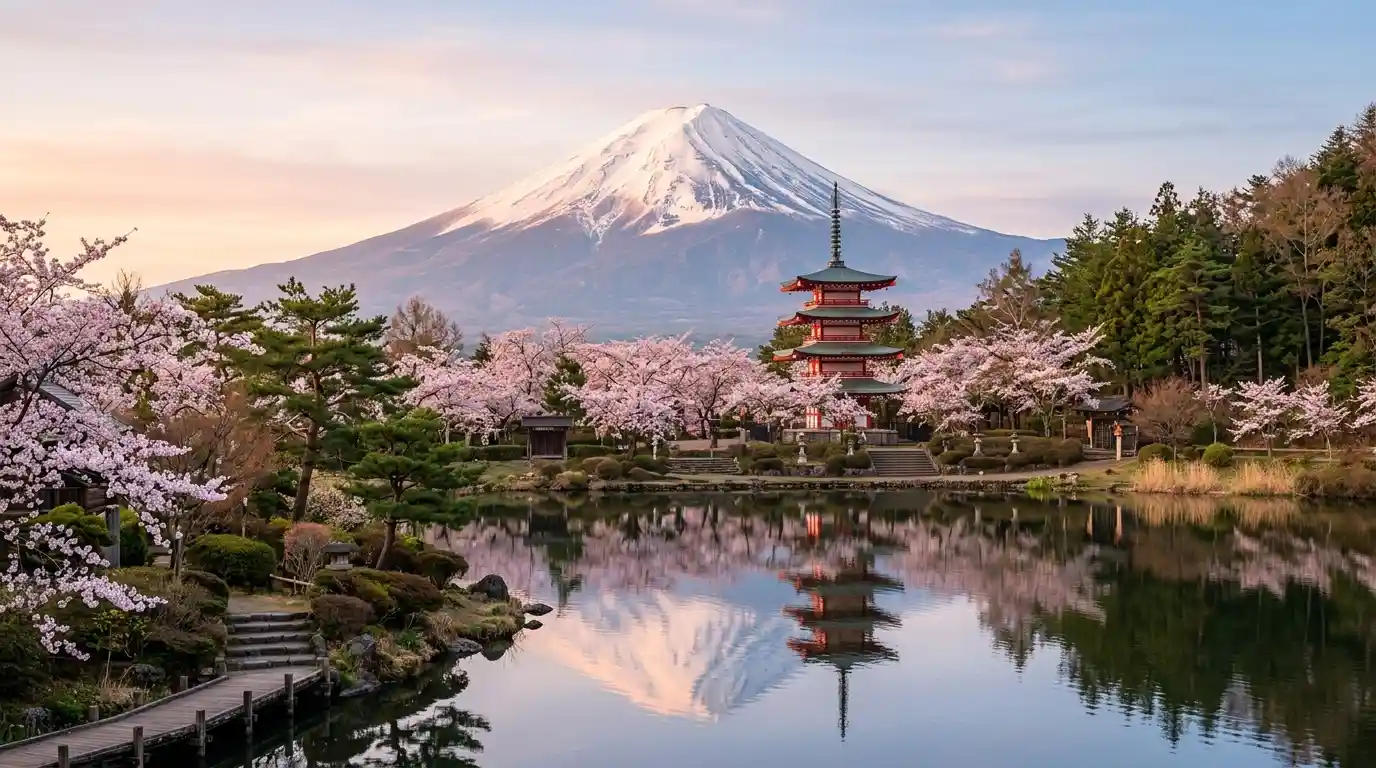
Japan is a destination where ancient traditions meet modern innovation, and dramatic natural landscapes sit alongside some of the world’s most fascinating cities. From Tokyo’s energetic streets and Kyoto’s historic temples to Mount Fuji’s volcanic scenery and Okinawa’s turquoise coastline, the country offers experiences for history lovers, outdoor adventurers, food enthusiasts, and first-time visitors alike.
The most interesting places to visit in Japan are not limited to famous landmarks. Traditional towns, peaceful forests, coastal villages, and regional food markets reveal a deeper side of Japanese life. Choosing destinations across different regions can help you experience the country’s cultural heritage, seasonal beauty, and remarkable diversity in one memorable journey.
1. Tokyo: A Dynamic Blend of Tradition and Modern Life
Tokyo is an excellent starting point for exploring Japan. Its skyline, shopping districts, museums, and lively food scene showcase the country’s contemporary side, while historic neighborhoods preserve customs that have shaped Japanese culture for generations.
Visit Asakusa to explore Senso-ji Temple and traditional shopping streets, or head to Meiji Jingu for a quieter atmosphere surrounded by trees. Shibuya offers famous city views and energetic nightlife, while Shinjuku combines department stores, restaurants, gardens, and entertainment.
Travelers interested in unusual urban experiences can also explore our guide to places to visit in Tokyo for car enthusiasts. For a different seasonal perspective, see summer sightseeing in Tokyo if that destination guide is available under the corresponding published URL.
2. Kyoto: Temples, Gardens, and Traditional Japanese Culture
Kyoto is one of Japan’s most rewarding destinations for travelers interested in history and architecture. As the former imperial capital, it preserves historic temples, landscaped gardens, wooden townhouses, and traditional arts.
Fushimi Inari Taisha is known for its long pathways lined with red torii gates. Kinkaku-ji, the Golden Pavilion, is especially striking when its reflection appears in the surrounding pond. Arashiyama offers bamboo groves, riverside scenery, and temples that provide a quieter contrast to central Kyoto.
Allow time to explore Gion’s historic streets respectfully, sample regional dishes, and learn about tea traditions. Spring cherry blossoms and autumn foliage can make Kyoto particularly beautiful, although popular attractions may become crowded during peak seasons.
3. Mount Fuji and the Fuji Five Lakes
Mount Fuji is among Japan’s most recognizable natural landmarks. Its symmetrical volcanic cone has inspired artists, photographers, and travelers for centuries. The surrounding Fuji Five Lakes region provides scenic viewpoints, lakeside walks, outdoor activities, and opportunities to enjoy views of the mountain on clear days.
Lake Kawaguchi is a popular base for photography and sightseeing. Visitors can explore nearby villages, relax at traditional hot-spring accommodations, and enjoy seasonal scenery. The mountain’s appearance changes with the weather, so keeping plans flexible can improve your chances of finding clear views.
Climbing Mount Fuji is a different experience from viewing it. Official climbing seasons, trail access, weather conditions, and safety requirements should be checked before departure. Travelers who prefer a relaxed visit can appreciate the surrounding landscape without attempting the summit.
4. Nara: Ancient Temples and Deer Parks
Nara is a rewarding day trip or overnight stop for visitors interested in Japanese heritage. Nara Park is famous for its free-roaming deer, while Todai-ji Temple houses an enormous bronze Buddha in a historic wooden structure.
The city’s temple complexes, forested paths, and traditional streets create a calmer atmosphere than central Tokyo. Visitors should follow local guidance when interacting with deer, avoid teasing or feeding them inappropriate food, and give the animals space.
Nara works particularly well alongside Kyoto because the two destinations offer different perspectives on Japan’s historical development and religious architecture.
5. Hokkaido: Wide-Open Landscapes and Seasonal Adventures
Located in northern Japan, Hokkaido is known for expansive countryside, mountain scenery, national parks, and distinctive regional cuisine. It is an attractive choice for travelers who want outdoor activities and a less densely urban environment.
In winter, ski areas draw visitors for snow sports and mountain views. Summer brings hiking, flower fields, cycling routes, and opportunities to explore lakes and volcanic landscapes. Sapporo offers urban comforts and regional food, while destinations such as Furano and Biei are known for scenic rural surroundings.
Distances between attractions can be substantial, so plan transportation carefully. Renting a car may be useful in rural areas, while trains and buses serve selected routes and cities.
6. The Japanese Alps: Mountain Villages and Outdoor Exploration
The Japanese Alps offer a striking contrast to Japan’s major metropolitan areas. Mountain trails, traditional settlements, alpine valleys, and seasonal snow create opportunities for hiking, photography, and cultural discovery.
Takayama is known for its preserved old town, timber buildings, morning markets, and regional cuisine. Nearby Shirakawa-go features traditional farmhouses with steep thatched roofs, reflecting architectural adaptations to heavy winter snowfall.
Travelers should check mountain weather, trail conditions, transport schedules, and seasonal closures before setting out. The region is especially appealing to those who want to combine outdoor activities with an understanding of rural Japanese life.
7. Hiroshima and Miyajima: History and Island Scenery
Hiroshima offers a powerful historical experience through its Peace Memorial Park and museum. These sites encourage reflection on the consequences of war and the importance of peace. Visitors should allow enough time to engage thoughtfully with the exhibits.
Nearby Miyajima, officially known as Itsukushima, is famous for its waterfront shrine and distinctive torii gate. Forested hills, coastal walking routes, and island views create a peaceful complement to Hiroshima’s urban setting.
Together, these destinations offer a meaningful combination of history, architecture, natural beauty, and regional food. Check ferry schedules and local conditions when planning an island visit.
8. Okinawa: Subtropical Beaches and Island Culture
Okinawa, in southern Japan, offers a different atmosphere from the country’s main islands. Its subtropical climate, coral reefs, sandy beaches, and distinctive Ryukyu heritage make it appealing to travelers seeking coastal relaxation and marine activities.
Visitors can explore Naha’s markets and historic sites, discover regional cuisine, or arrange snorkeling and diving trips with responsible local operators. Smaller islands provide additional opportunities for beaches, cycling, and encounters with coastal landscapes.
Sea conditions and seasonal weather matter, especially during typhoon season. Follow local swimming and boating guidance, and choose reef-conscious activities that protect fragile marine environments.
9. Yakushima: Ancient Forests and Biodiversity
Yakushima is a forested island celebrated for ancient cedar trees, moss-covered trails, waterfalls, and rich biodiversity. Its misty landscapes offer a memorable experience for travelers who appreciate quiet natural settings and immersive walks.
Hiking routes vary in length and difficulty, so choose one that matches your fitness and available time. Rain is common, and some trails require substantial preparation. Carry suitable footwear, weather protection, food, water, and navigation equipment, and follow conservation rules.
Yakushima is best approached at a measured pace. Rather than trying to cover every attraction, spend time appreciating the forest ecosystem and the relationship between local communities and the island’s natural environment.
10. Kanazawa: Gardens, Crafts, and Historic Districts
Kanazawa combines traditional architecture, Japanese craftsmanship, and elegant garden design. Kenrokuen, one of Japan’s celebrated landscape gardens, is a highlight in every season. Historic districts preserve traditional streetscapes, while museums and workshops introduce visitors to local arts.
The city’s food culture is another attraction, particularly its seafood and regional specialties. Kanazawa can be a strong choice for travelers who want cultural depth without relying exclusively on Japan’s busiest tourist centers.
11. Nagano and the Snow Country
Nagano offers mountain scenery, historic temples, hot springs, and access to winter sports. Zenko-ji Temple is an important cultural landmark, while nearby mountain areas provide hiking opportunities in warmer months and snow activities in winter.
Some visitors also explore the Jigokudani area, known for Japanese macaques that sometimes bathe in hot springs during cold weather. Wildlife sightings are not guaranteed, and visitors should observe animals responsibly from designated areas.
If winter travel is your priority, explore our guide to places to visit in Japan during winter for more seasonal inspiration.
12. Osaka: Street Food, Castles, and Urban Energy
Osaka is known for its welcoming atmosphere, food culture, shopping streets, and lively entertainment districts. Dotonbori is famous for illuminated signs and casual dining, while Osaka Castle offers historical context and expansive grounds.
Try local specialties such as takoyaki and okonomiyaki, and leave time to explore neighborhoods beyond the busiest tourist streets. Osaka also makes a practical base for day trips to Kyoto, Nara, and other destinations in the Kansai region.
When Is the Best Time to Visit Japan?
Spring is popular for cherry blossoms, although flowering dates vary by region and weather. Autumn brings colorful foliage, especially in gardens and mountain areas. Summer offers festivals and lush scenery but can be hot and humid in many cities. Winter is ideal for snow activities, seasonal hot springs, and northern landscapes.
Choose travel dates based on the experiences you value most, and book accommodation early for major festivals and peak blossom or foliage periods. Travelers comparing seasonal destinations may also enjoy our guides to New Zealand in summer, places to visit in Greece, and the Masai Mara.
How to Plan a Memorable Japan Trip
Japan’s efficient transport network makes multi-city travel practical, but a well-planned itinerary is more enjoyable than trying to visit every region at once. First-time travelers might combine Tokyo, Kyoto, and Osaka, adding Mount Fuji or Nara if time allows. Longer trips can include Hokkaido, the Japanese Alps, Hiroshima, or Okinawa.
For broader inspiration, explore our guides to the world’s top places to visit, 25 places to visit around the world, remarkable places in Europe, and unique destinations in New Zealand when comparing future travel ideas.
Nature enthusiasts can also find inspiration in California’s natural destinations, Scotland’s coastal landscapes, and this Japan travel guide. The final link should be removed because it points to the current article itself; use the other relevant destination guides instead.
Frequently Asked Questions
What are the most interesting places to visit in Japan for first-time travelers?
Tokyo, Kyoto, Osaka, and the Mount Fuji area make a strong starting itinerary because they combine city experiences, cultural landmarks, food, and natural scenery.
Which places in Japan are best for nature lovers?
Hokkaido, the Japanese Alps, Yakushima, the Fuji Five Lakes, and Okinawa offer different experiences, from mountain trails and forests to volcanic views and coastal ecosystems.
How many days are needed to explore Japan?
Seven to ten days can cover a few major destinations at a comfortable pace. Two weeks or longer allows more time for regional travel and outdoor experiences.
Is Japan suitable for cultural and adventure travel?
Yes. Travelers can combine temples, historic districts, museums, local food, hiking, skiing, island activities, and scenic rail journeys. The best mix depends on the season, budget, and preferred pace.
Final Thoughts
Japan rewards travelers who look beyond its best-known landmarks. Tokyo and Osaka reveal its modern energy, Kyoto and Nara preserve important cultural traditions, and destinations such as Yakushima, Hokkaido, and the Japanese Alps showcase its natural diversity.
Build an itinerary around a few regions, allow time for local experiences, and travel respectfully through historic communities and sensitive natural environments. With thoughtful planning, a visit to Japan can become a rich journey through culture, history, cuisine, and unforgettable scenery.
Travelers comparing international destinations may also enjoy our guides to the world’s top places to visit, 25 places to visit around the world, remarkable places in Europe, and unique destinations in New Zealand. You can also explore California’s natural destinations, Scotland’s coastal landscapes, popular places in London, destinations in northern England, Saint-Tropez’s coastal attractions, South America’s highlights for first-time visitors, and places to explore in the Philippines for further travel inspiration.