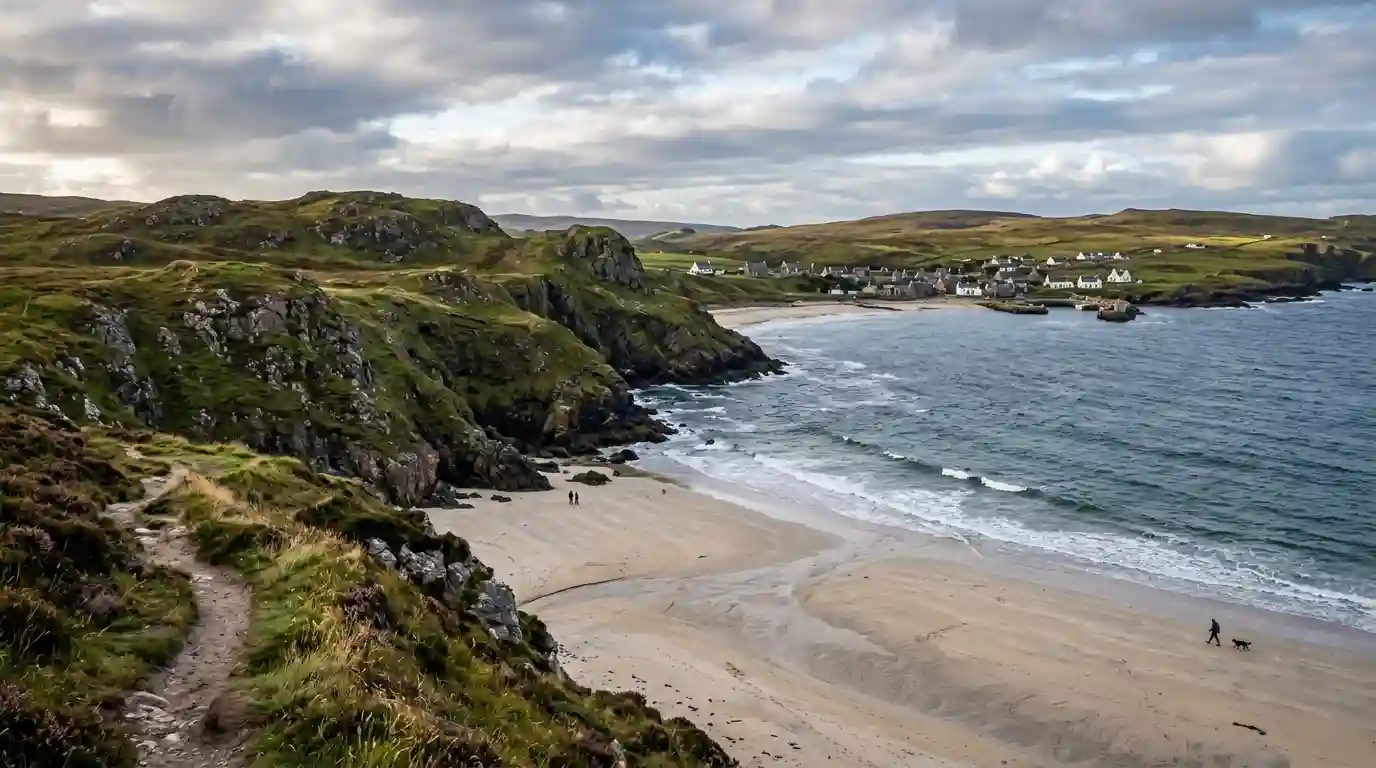
The best coastal places to visit in Scotland range from the colourful harbour of Tobermory and the sandy shores of East Lothian to the dramatic cliffs of Aberdeenshire and the remote beaches of the Highlands. Each region offers a different atmosphere, making it possible to plan anything from a short seaside break to a longer coastal road trip.
If you are planning a wider holiday, you can also explore these places to visit around the world for inspiration before deciding which Scottish destinations suit your travel style.
1. St Andrews, Fife
St Andrews is an excellent starting point for exploring Scotland’s east coast. Best known for its historic university and golf heritage, this coastal town also has expansive beaches, seaside paths, and atmospheric historic ruins.
West Sands is particularly appealing for long walks, open views, and photography. The wide shoreline creates a dramatic setting when the wind moves across the sand, while the town’s historic centre offers independent shops, cafés, and places to eat after a coastal stroll.
Visit the ruins of St Andrews Cathedral and explore the streets around the old harbour. The town works well for visitors who want a combination of coastal scenery, history, and convenient amenities without travelling to a remote island.
Best for: Historic attractions, beach walks, photography, and a relaxed weekend away.
2. North Berwick, East Lothian
North Berwick is one of the most convenient seaside escapes for travellers staying in Edinburgh. Its sandy beaches, independent cafés, small harbour, and views across the Firth of Forth make it suitable for couples, families, and day-trippers.
North Berwick Beach is ideal for a leisurely walk, while nearby viewpoints offer views of Bass Rock, a distinctive island known for its large seabird colony. When conditions permit, boat trips can provide a closer look at the surrounding coastline and marine wildlife.
Visitors can also explore local shops, enjoy seafood, or walk along sections of the coast. If you are building a wider Scottish itinerary, consider how a seaside stop could complement other family travel destinations and trip ideas when planning future holidays.
Best for: Day trips from Edinburgh, family outings, coastal views, and cafés.
3. Stonehaven and Dunnottar Castle, Aberdeenshire
Stonehaven combines a traditional harbour, a pleasant seafront, and access to one of Scotland’s most dramatic historic settings. The town is an appealing place to slow down, enjoy a waterfront meal, and explore the surrounding coastline.
The main attraction nearby is Dunnottar Castle, whose ruins stand on a rocky headland surrounded by the North Sea. The setting is especially striking from the coastal approach, where the castle appears against the cliffs and open water.
Allow time to explore Stonehaven’s harbour and promenade as well as the castle. Wear comfortable shoes for uneven paths and check access arrangements before visiting the ruins.
Best for: Castle photography, dramatic scenery, history, and harbour-side dining.
4. Cullen and the Moray Coast
Cullen is a charming coastal village in Moray, known for its sandy beach, historic character, and distinctive coastal scenery. It is a rewarding choice for visitors who prefer a quieter seaside atmosphere over a busy resort.
Cullen Beach provides space for walking and enjoying views across the Moray Firth. The surrounding coastline features unusual rock formations, old railway structures, and neighbouring fishing villages that are worth exploring by car.
Food is another reason to stop here. Cullen is associated with Cullen skink, a traditional Scottish soup made with smoked haddock, potatoes, and onions. Local cafés and restaurants offer an opportunity to enjoy regional food after a walk along the shore.
For a longer trip, combine Cullen with other villages along the Moray and Aberdeenshire coasts. The changing scenery makes this region particularly rewarding for photographers and travellers interested in Scotland’s maritime heritage.
Best for: Quiet beaches, local food, coastal photography, and traditional villages.
5. Plockton, Wester Ross
Plockton is a small village on Scotland’s west coast, set beside a sheltered bay with views across the water towards the surrounding Highland landscape. Whitewashed cottages, moored boats, and a peaceful waterfront give the village a distinctive character.
The harbour is a natural place to begin exploring. Visitors can stroll beside the water, take photographs, or look into local cafés and accommodation options. Depending on conditions and available operators, kayaking and boat excursions can provide another perspective on the sheltered coastline.
Plockton is also a useful stop on a Highland road trip. Its setting feels different from the exposed beaches and cliffs found elsewhere in Scotland, offering a gentler coastal experience between mountain and sea.
Those interested in combining several destinations can use this guide to unique places to visit in Ireland for inspiration when planning a separate coastal journey across the wider British Isles and nearby regions.
Best for: Picturesque harbour views, peaceful breaks, photography, and Highland itineraries.
6. Isle of Skye
The Isle of Skye is one of Scotland’s most recognisable destinations, celebrated for its rugged scenery, sea cliffs, rocky headlands, and dramatic mountain landscapes. Although the island is not solely a beach destination, its coastline is a major reason to visit.
Neist Point is a highlight for visitors who enjoy expansive sea views and cliff-top scenery. The lighthouse and surrounding headland create a memorable setting, particularly in changing weather. Coral Beach near Dunvegan offers a contrasting landscape, with pale shoreline material and clear-looking water on suitable days.
Skye’s roads can be narrow and popular locations can become busy during peak periods. Allow extra travel time, use designated parking areas, and avoid stopping in unsafe places to take photographs. Check the weather before attempting exposed walks.
For a longer journey, Skye can be combined with the west Highland coast and other destinations on the mainland. Travellers looking for more international inspiration can also explore unique places to visit in New Zealand, another destination known for varied coastal and mountain scenery.
Best for: Dramatic landscapes, lighthouse views, photography, and adventurous road trips.
7. Luskentyre Beach, Isle of Harris
Luskentyre Beach on the Isle of Harris is famous for its broad sandy shoreline, turquoise-looking water, and views towards the surrounding hills. It is among the most visually striking beach destinations in Scotland, particularly when the weather is clear.
The beach is ideal for peaceful walks, landscape photography, and simply enjoying the open scenery. The colours of the water and sand can change dramatically with the light, clouds, and tide, so no two visits necessarily look the same.
Despite its inviting appearance, the water can be cold and conditions can change quickly. Strong currents, waves, and remote surroundings mean visitors should not assume that the beach is safe for swimming just because the sea looks calm.
Harris is best explored at a slower pace, with enough time to enjoy the landscape rather than rushing between viewpoints. Check ferry arrangements, accommodation availability, and local travel conditions when planning a visit to the Outer Hebrides.
Best for: White-sand scenery, quiet walks, landscape photography, and remote island escapes.
8. St Andrews to Crail: The East Neuk of Fife
The East Neuk of Fife is known for its traditional fishing villages, historic harbours, colourful buildings, and coastal walking routes. Instead of choosing just one seaside town, visitors can explore several villages over a day or weekend.
Crail is particularly appealing for its picturesque harbour and traditional architecture. Nearby villages offer additional waterfront views, small cafés, and opportunities to discover the area’s fishing heritage.
Parts of the Fife Coastal Path connect settlements along this stretch of coastline. You can choose a short village-to-village walk or plan a longer route, depending on fitness, weather, and available time. Check route conditions and transport connections before setting out.
The East Neuk is a strong choice for travellers who enjoy combining gentle walking with local history and food. It also provides a quieter alternative to Scotland’s busiest tourist hotspots.
Best for: Traditional villages, harbour photography, coastal walking, and local seafood.
9. Arbroath and Lunan Bay, Angus
Arbroath offers a mix of coastal heritage and seaside atmosphere. The harbour reflects the town’s longstanding relationship with fishing, while the surrounding shoreline provides opportunities for walks and views across the North Sea.
Lunan Bay, a short drive away, is a standout beach in the Angus area. Its expansive sand, dunes, and open coastal views make it appealing to walkers and photographers. The beach can feel particularly spacious outside the busiest periods.
Visitors should check tide times and weather conditions before exploring less familiar sections of the shore. Coastal landscapes are constantly shaped by wind and water, so access and conditions can vary.
Arbroath and Lunan Bay work well together as part of an east-coast itinerary, especially for travellers who want both a historic town and a more natural beach setting.
Best for: Open beaches, coastal heritage, walking, and photography.
10. Ullapool, Wester Ross
Ullapool is a small Highland town beside Loch Broom, surrounded by rugged scenery and waterways. Its working harbour, waterfront streets, and views towards the mountains make it a practical base for exploring the northwest Highlands.
Spend time walking around the harbour, watching boats come and go, and exploring the town’s cafés and shops. The surrounding area offers access to remote beaches, scenic viewpoints, and routes through some of Scotland’s most striking landscapes.
Ullapool is also an important ferry gateway for travel to the Outer Hebrides. If you plan to continue by sea, confirm sailing times and travel arrangements in advance rather than relying on a tight connection.
For travellers who enjoy less crowded destinations, Ullapool offers a useful balance between basic amenities and access to wild coastal scenery.
Best for: Highland road trips, harbour walks, ferry connections, and exploring remote coastlines.
11. North Berwick and Yellowcraig: Beaches Near Edinburgh
Travellers who want coastal scenery without committing to a long road trip should consider the beaches of East Lothian. North Berwick and nearby Yellowcraig offer accessible seaside landscapes, open sand, and views across the Firth of Forth.
Yellowcraig is a popular choice for a beach walk or a picnic when conditions are suitable. Its coastal setting and views towards Fidra make it attractive to photographers and visitors seeking a quieter outdoor break.
Facilities and parking can vary between locations, so check arrangements before travelling. During busy summer weekends, arriving earlier may make it easier to find parking and enjoy a more relaxed visit.
These beaches are especially useful for short breaks based in Edinburgh or elsewhere in the central belt.
Best for: Short trips, family outings, accessible beaches, and coastal photography.
12. The Shetland Islands
For a more remote coastal experience, the Shetland Islands offer rugged headlands, dramatic cliffs, historic sites, and beaches shaped by the North Atlantic. Their location gives the islands a distinct atmosphere, with landscapes and wildlife that differ from mainland Scotland.
Sumburgh Head is a well-known place to appreciate the coastal scenery and look for seabirds when they are present. Elsewhere, visitors can discover quiet bays, traditional settlements, and archaeological remains that reveal the islands’ long history of maritime connections.
Travel to Shetland requires more planning than a mainland beach visit. Consider ferry or flight schedules, accommodation, and the time needed to travel between sites. Weather can affect transport and outdoor activities, so build flexibility into your itinerary.
Best for: Remote landscapes, seabird watching, dramatic cliffs, and island culture.
13. St Abbs and the Berwickshire Coast
St Abbs is a small coastal village in the Scottish Borders, surrounded by rugged cliffs and clear sea views. The nearby headland is known for its walking paths, seabird habitats, and striking coastal scenery.
St Abbs Head National Nature Reserve provides opportunities to experience the coast on foot and observe wildlife from appropriate viewpoints. The landscape is particularly appealing to walkers who prefer rocky headlands over long stretches of flat sand.
Stay on marked paths, respect wildlife, and take extra care around cliff edges, especially in windy or wet conditions. Visitors should also allow time to explore the village and nearby coastal settlements rather than treating the area as a quick photo stop.
Best for: Cliff walks, birdwatching, nature, and dramatic sea views.
How to Choose the Best Scottish Coastal Destination
The right destination depends on the type of holiday you want. Scotland’s coast is varied, and a beach that is perfect for a quiet walk may not be the best choice for a visitor seeking restaurants, transport links, or organised activities.
- For sandy beaches: Consider Luskentyre, North Berwick, Lunan Bay, and the beaches around St Andrews.
- For dramatic cliffs: Explore Dunnottar Castle, St Abbs Head, Neist Point, and the coast of Shetland.
- For picturesque villages: Visit Plockton, Cullen, Crail, and the East Neuk of Fife.
- For a road trip: Combine Ullapool, the west Highlands, and selected stops on the Isle of Skye.
- For a short break from Edinburgh: North Berwick and other East Lothian beaches are practical choices.
- For wildlife and nature: Look at suitable viewpoints around St Abbs Head, Shetland, and the islands off the east coast.
Best Time to Visit Scotland’s Coast
Late spring and summer generally offer longer daylight hours and more opportunities for walking, sightseeing, and exploring remote beaches. These months can also bring more visitors, particularly to popular destinations such as Skye and the Outer Hebrides.
Autumn can be appealing for quieter coastal walks, changing colours, and dramatic skies. Winter brings a wilder atmosphere, but shorter days, strong winds, and difficult weather may limit access to exposed coastal routes.
Scotland’s weather can change quickly at any time of year. Check local forecasts, daylight hours, transport schedules, and trail conditions before setting out. Pack layers and waterproof clothing, even if the day begins with sunshine.
Practical Tips for a Scottish Coastal Trip
- Plan travel times carefully: Rural roads, ferries, and single-track routes can make journeys longer than expected.
- Book accommodation early: Popular island destinations can have limited availability during peak travel periods.
- Respect the sea: Cold water, tides, waves, and currents can create risks even on apparently calm days.
- Protect the landscape: Take litter away, follow access guidance, and avoid disturbing wildlife.
- Check facilities: Remote beaches may have limited toilets, cafés, parking, or mobile reception.
- Keep plans flexible: Weather and ferry changes can affect island itineraries, so avoid overly tight schedules.
Final Thoughts
The best coastal places to visit in Scotland offer far more than attractive beaches. From the historic harbour of St Andrews and the cliffs around Dunnottar Castle to the pale sands of Luskentyre and the remote landscapes of Shetland, each destination provides a different way to experience Scotland’s relationship with the sea.
Choose destinations that match your interests, allow enough time to explore the surrounding area, and plan around weather and transport conditions. Whether you prefer a short seaside escape or a multi-day Highland and island road trip, Scotland’s coastline offers plenty of opportunities for memorable scenery, local culture, and outdoor adventure.
More Travel Inspiration
If you are planning additional holidays, explore these destination guides for ideas on scenery, seasonal travel, and places to discover around the world:
- Scotland’s coastal destinations for more seaside trip planning.
- Places to visit in northern England for another UK travel itinerary.
- Places to visit in southwest England for coastal and countryside travel ideas.
- Places to visit in the Cotswolds for a countryside break.
- Popular places to visit in London for a city break.
- Places to visit in London at night for evening activities.
- Places to visit near Central Park for an urban travel itinerary.
- Scottish coastal scenery for planning a seaside escape.
- Places to visit in Sicily by car for a coastal road-trip alternative.
- Scottish beaches and villages for choosing coastal stops.
- Places to visit around the world for broader holiday inspiration.
- Amazing places to visit in Europe for a wider European itinerary.
- European summer destinations for warm-weather travel planning.
- Places to visit in Austria for mountain and countryside scenery.
- Unique places to visit in Switzerland for scenic landscapes.
- Unique places to visit in Ireland for another island travel experience.
- Unique places to visit in New Zealand for nature-focused travel.