
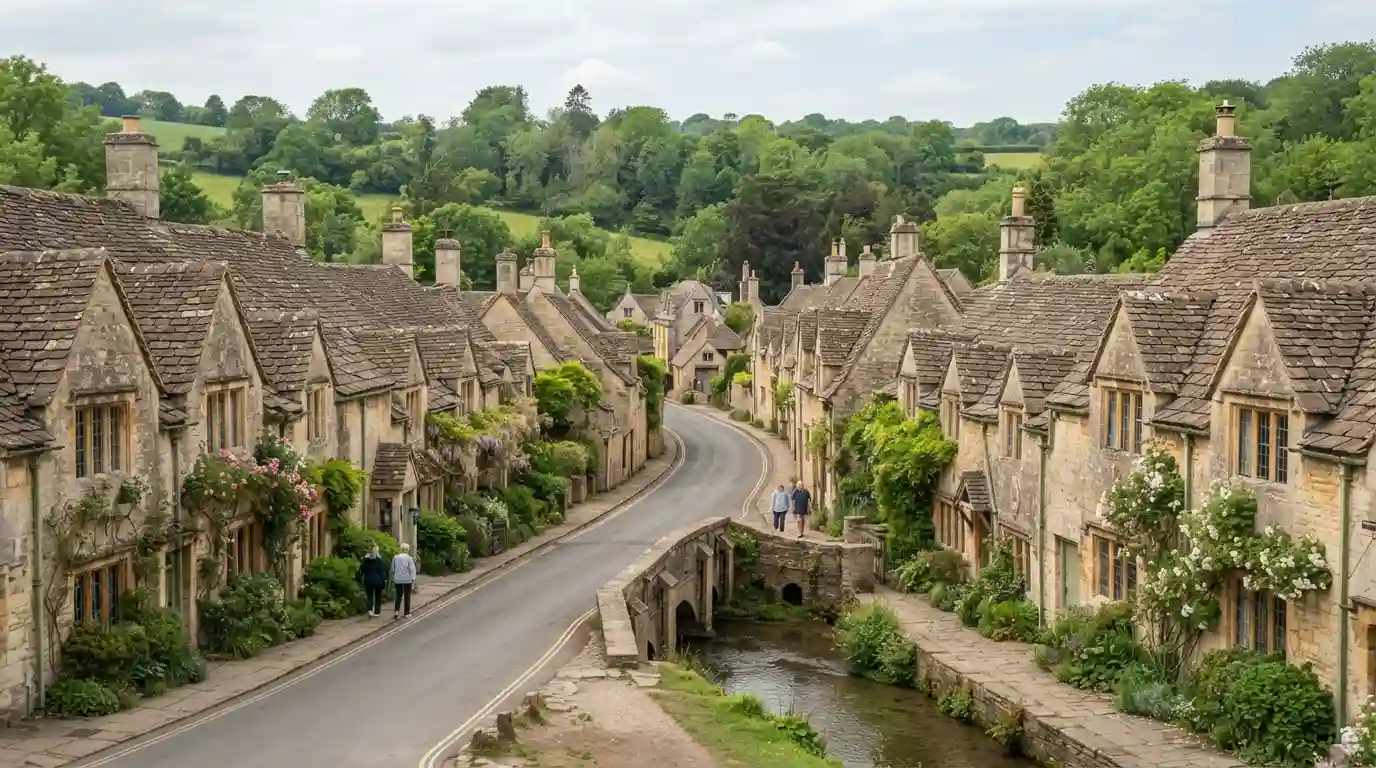
Whether you are planning a weekend escape, a longer road trip, a romantic getaway, or a family-friendly countryside adventure, knowing the top places to visit in the Cotswolds can help you build a more rewarding itinerary. From famous villages such as Bourton-on-the-Water and Bibury to historic towns such as Chipping Campden and Stow-on-the-Wold, there is plenty to explore.
This guide highlights the places, landscapes, and experiences that deserve a place on a Cotswolds itinerary while also helping you understand how to plan your time efficiently.
Why Visit the Cotswolds?
The Cotswolds appeal to travelers who enjoy historic architecture, scenic landscapes, traditional villages, gardens, walking trails, independent shops, and relaxed countryside experiences. The region feels different from major English cities, making it particularly attractive for visitors who want to slow down and explore smaller communities.
The area also works well as part of a wider England itinerary. Travelers combining countryside destinations with major cities can explore popular places to visit in London before heading into the Cotswolds. Those planning a broader European journey can also use guides such as the most amazing places to visit in Europe for additional itinerary ideas.
1. Bourton-on-the-Water
Bourton-on-the-Water is one of the most recognizable destinations in the Cotswolds. The village is built around the River Windrush, with low stone bridges, traditional buildings, small shops, cafés, and walking areas creating a highly scenic setting.
Its compact layout makes it easy to explore on foot. Visitors can spend time walking beside the river, browsing local businesses, enjoying a meal, and exploring attractions in and around the village.
Bourton-on-the-Water can become busy during peak travel periods, so arriving earlier in the day can provide a quieter experience. It is particularly attractive to photographers and travelers interested in traditional Cotswold architecture.
2. Bibury
Bibury is another classic Cotswolds destination, particularly famous for its rows of historic stone cottages and peaceful riverside setting. Arlington Row is one of the most recognizable scenes in the area and is frequently associated with the traditional appearance of the Cotswolds.
Rather than treating Bibury as a quick photo stop, travelers can walk around the village, explore the surrounding countryside, and take time to appreciate its historic character.
The village is relatively small, making it easy to combine with nearby destinations during a driving itinerary.
3. Stow-on-the-Wold
Stow-on-the-Wold is a historic market town located on a hilltop and is an excellent base for exploring the northern Cotswolds. Its market square, stone buildings, independent shops, galleries, cafés, and historic streets give it a different atmosphere from the smaller villages.
Visitors interested in history and architecture will find plenty to explore around the town. Stow is also convenient for reaching several other well-known Cotswolds destinations, making it useful when planning a multi-stop itinerary.
4. Chipping Campden
Chipping Campden is known for its elegant historic architecture, attractive high street, and long association with the wool trade. The town’s distinctive limestone buildings provide a strong sense of place and make it one of the most rewarding stops in the northern Cotswolds.
Walking through the center is one of the simplest ways to experience the town. Travelers can combine historic sightseeing with independent shops, cafés, restaurants, and nearby countryside walks.
Chipping Campden is also a practical starting point for exploring surrounding villages and rural landscapes.
5. Broadway
Broadway is often described as one of the prettiest villages in the Cotswolds. Its broad main street is lined with traditional honey-colored buildings, independent businesses, cafés, and places to eat.
The village is especially appealing to travelers who want a combination of architecture, shopping, food, and countryside scenery. Broadway Tower, located outside the village, provides another reason to explore the surrounding landscape.
For travelers who enjoy scenic viewpoints, Broadway can easily be incorporated into a Cotswolds road trip.
6. Castle Combe
Castle Combe is located in the southern Cotswolds and is celebrated for its historic stone cottages, narrow lanes, and picturesque village setting. Its relatively compact size makes it particularly suitable for a short walking visit.
The village provides a different perspective on the Cotswolds compared with destinations farther north. Travelers exploring the southern part of the region can pair Castle Combe with nearby countryside attractions and historic sites.
If your trip includes several areas of England, exploring destinations beyond one region can also be useful. For wider inspiration, see places to visit in the North of England and places to visit in South West England.
7. Broadway Tower and the Cotswold Countryside
For travelers who want panoramic countryside views, the area around Broadway Tower is worth adding to an itinerary. The tower stands on Broadway Hill and offers an elevated perspective across the surrounding landscape.
The area is particularly enjoyable for walkers and photographers. On a clear day, the open countryside provides a strong contrast to the enclosed streets and stone buildings found in many Cotswolds villages.
Those who enjoy scenic landscapes may also appreciate exploring other nature-focused travel destinations, such as the best natural places to visit in California, when planning future trips.
8. Cirencester
Cirencester is often considered the capital of the Cotswolds and is one of the region’s larger market towns. It provides a useful combination of history, shopping, food, culture, and access to the surrounding countryside.
The town has Roman connections and a long commercial history. Travelers who prefer having more amenities during a countryside trip may find Cirencester a practical base.
Its location also makes it useful for exploring attractions throughout the central and southern Cotswolds.
9. Tetbury
Tetbury is a historic market town with attractive stone buildings, independent shops, antique businesses, cafés, and a traditional town center. It offers a quieter alternative to some of the region’s most heavily visited villages.
The town is also close to several notable gardens and country estates, making it a useful stop for travelers interested in horticulture and historic landscapes.
10. Painswick
Painswick is a hilltop town known for its stone architecture, historic streets, and views across the surrounding countryside. It is particularly appealing to travelers who want to combine architecture with walking and landscape photography.
The nearby Painswick Rococo Garden adds another dimension to a visit, especially for travelers interested in historic gardens and seasonal landscapes.
Because of its elevated position, Painswick can also provide a different visual experience from the river valleys and flatter landscapes elsewhere in the Cotswolds.
11. Stow-on-the-Wold and the Northern Cotswolds
For travelers with limited time, concentrating on the northern Cotswolds can make an itinerary easier to manage. Stow-on-the-Wold, Bourton-on-the-Water, Broadway, and Chipping Campden are all strong candidates for a northern Cotswolds route.
Instead of trying to visit every village in one day, choose a small number of destinations and leave time for walking, meals, photography, and unexpected discoveries. This approach generally creates a more relaxed countryside experience.
12. The Cotswolds for Walkers
The Cotswolds are particularly attractive to travelers who prefer exploring destinations on foot. The countryside includes footpaths, village-to-village routes, farmland, wooded areas, hills, and scenic viewpoints.
Walking between nearby villages can reveal landscapes that are easy to miss when traveling entirely by car. Before setting out, check the route, weather, footwear requirements, daylight hours, and local access conditions.
Travelers who enjoy building trips around landscapes can also explore other seasonal walking destinations, including West Coast places to visit in winter and places to visit in Vermont during winter.
13. Cotswolds Gardens and Country Estates
The region is home to gardens, historic estates, landscaped grounds, and rural properties that complement its famous villages. Garden visits can provide a slower-paced alternative to sightseeing in busy village centers.
Depending on the season, gardens may offer spring flowers, summer borders, autumn color, or winter landscapes. Checking opening arrangements before visiting is sensible because some attractions operate seasonally.
14. Exploring the Cotswolds by Car
A car can make it easier to visit several villages in one trip, particularly when destinations are spread across different parts of the region. A road-trip itinerary allows travelers to combine major villages with smaller communities, viewpoints, gardens, and countryside walks.
However, narrow village roads and limited parking can make driving challenging during busy periods. Plan parking in advance where possible and avoid blocking residential roads or village access routes.
If you enjoy travel itineraries centered around driving, you may also find places to visit in Sicily by car useful for future travel planning.
15. Best Time to Visit the Cotswolds
The Cotswolds can be visited throughout the year, but each season creates a different experience.
Spring
Spring brings fresh greenery, flowers, and longer daylight hours. Gardens and countryside walks can be especially attractive during this period.
Summer
Summer generally provides long days and favorable conditions for walking and outdoor sightseeing. Popular villages can become busy, so early starts are useful.
Autumn
Autumn brings changing foliage and softer seasonal light. It can be an excellent time for photography and countryside walks.
Winter
Winter offers shorter days and colder weather but can provide a quieter atmosphere in many villages. Travelers visiting during this season should plan around daylight and weather conditions.
For broader seasonal travel inspiration, explore the best places to visit in winter, places to visit in Tennessee during fall, and Tennessee destinations for fall travel.
16. How Many Days Do You Need in the Cotswolds?
A short weekend can cover several major villages, but three to four days allows for a more relaxed itinerary. Travelers with additional time can explore less-visited villages, walking routes, gardens, historic attractions, and local food experiences.
For a first visit, it is usually more practical to choose a geographic area rather than attempting to cover the entire region. A northern route might include Stow-on-the-Wold, Bourton-on-the-Water, Broadway, and Chipping Campden, while a southern route could focus on destinations such as Castle Combe, Tetbury, Cirencester, and Painswick.
17. Tips for Planning a Cotswolds Trip
- Choose a base: Staying in or near a central town can reduce daily driving.
- Start early: Popular villages are generally quieter earlier in the day.
- Allow extra time: Countryside roads can make journeys slower than expected.
- Wear comfortable shoes: Historic streets and walking paths can be uneven.
- Check seasonal opening hours: Some attractions and gardens operate on limited schedules.
- Respect local communities: Many Cotswolds villages are residential communities, so responsible parking and considerate behavior matter.
- Leave room for spontaneity: Smaller villages and countryside walks can become some of the most memorable parts of the trip.
Travelers preparing for longer international journeys can also use this guide to travel essentials when organizing their packing list.
18. Places to Combine With a Cotswolds Trip
The Cotswolds can be incorporated into a larger England or European itinerary. London is a natural starting point for many international visitors, while other destinations across England can extend the trip.
For travelers interested in additional European destinations, consider exploring top places to visit in Eastern Europe, places to visit in Austria, places to visit in Greece, and places to visit in Zurich.
Travelers looking farther afield can also explore Northern Vietnam, interesting places in Japan, or unique places to visit in Ireland.
Final Thoughts
The Cotswolds are best experienced at a relaxed pace. While famous villages such as Bourton-on-the-Water, Bibury, Broadway, Chipping Campden, Stow-on-the-Wold, and Castle Combe naturally attract attention, the wider region offers much more than its postcard views.
Build your itinerary around a manageable group of destinations, leave time for countryside walks and local experiences, and consider visiting outside the busiest periods if you prefer a quieter atmosphere. Whether you have a single weekend or several days, the combination of historic villages, rolling countryside, gardens, market towns, and scenic roads makes the Cotswolds a memorable addition to an England itinerary.
For travelers still deciding where to go next, broader guides such as 25 best places to visit in the world and places to visit in the USA from Canada can provide additional inspiration for future journeys.


