
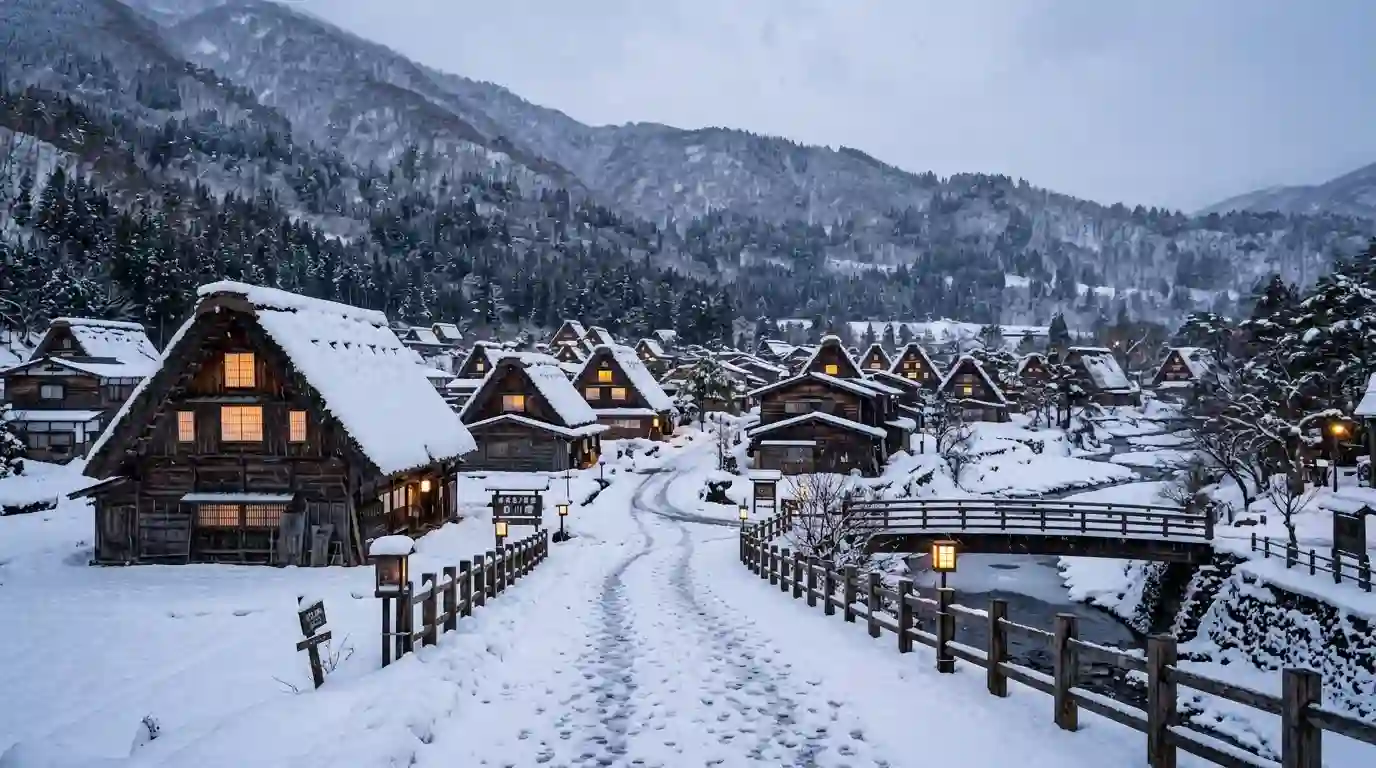
December, January, and February bring different conditions across Japan. Northern destinations experience heavy snowfall and excellent skiing conditions, while central Japan combines mountain scenery with historic towns. Southern destinations generally offer milder weather, making them attractive to travelers who prefer exploring outdoors without deep snow.
This guide covers the best places to visit in Japan during winter, what makes each destination special, activities worth considering, and practical tips for planning a comfortable trip.
Why Visit Japan During Winter?
Winter is an excellent season to discover a different side of Japan. Snow transforms traditional villages and mountain landscapes, hot spring resorts become especially inviting, and seasonal food offers comforting flavors. Some popular attractions are also less crowded than during peak cherry blossom and autumn foliage periods, although major ski resorts and holiday destinations can become busy.
- Snow scenery: Explore snowy villages, mountain resorts, and winter landscapes.
- Hot springs: Relax in an onsen surrounded by mountains or snow-covered gardens.
- Winter festivals: Experience seasonal illuminations, snow sculptures, and local celebrations.
- Japanese culture: Visit historic temples, castles, gardens, and traditional neighborhoods.
- Seasonal food: Enjoy ramen, hot pots, seafood, regional specialties, and warm drinks.
If you are comparing seasonal travel ideas, explore these guides to the best places to visit in winter and places to visit for New Year for additional inspiration.
1. Hokkaido: Japan’s Winter Wonderland
Hokkaido is one of the best places to visit in Japan during winter, especially for travelers who want reliable snowfall, ski resorts, winter festivals, and beautiful natural scenery. The northern island has a colder climate than much of mainland Japan, creating excellent conditions for winter sports and snow-based activities.
Top things to do in Hokkaido
- Explore Sapporo’s winter attractions and seasonal food scene.
- Visit the Sapporo Snow Festival if your travel dates coincide with the annual event.
- Enjoy skiing and snowboarding in areas such as Niseko and Furano.
- Relax in an outdoor hot spring at a suitable onsen resort.
- Try regional seafood, miso ramen, soup curry, and other Hokkaido specialties.
Hokkaido is particularly suitable for travelers planning an active winter holiday. However, snowstorms can affect transport, so allow extra time for airport transfers, trains, and road journeys.
2. Kyoto: Historic Temples and Peaceful Winter Streets
Kyoto is a wonderful winter destination for visitors interested in traditional Japanese architecture, gardens, temples, and cultural experiences. The city can become particularly atmospheric when a light snowfall settles over its tiled rooftops and temple grounds.
Explore the historic Higashiyama district, walk through the streets around Gion, and visit well-known temples such as Kiyomizu-dera. Arashiyama is another attractive area, with its bamboo grove, riverside scenery, and traditional streets. Snowfall is not guaranteed, but the quieter winter atmosphere can make sightseeing enjoyable even on clear days.
Winter is also a good opportunity to experience Kyoto’s tea culture and seasonal Japanese cuisine. Dress warmly for outdoor temple visits, and check opening hours before traveling because schedules can vary around holidays.
For more Japanese cultural and natural travel ideas, read this guide to interesting places in Japan.
3. Tokyo: Winter Illuminations, Shopping, and Urban Experiences
Tokyo combines modern city attractions with historic neighborhoods, making it a strong choice for travelers who want winter activities without depending on snowfall. December and January often bring impressive seasonal illuminations, while restaurants, museums, shopping districts, and indoor attractions provide plenty to do during cold or rainy weather.
What to explore in Tokyo
- See seasonal light displays in major shopping and entertainment districts.
- Visit Asakusa and Senso-ji Temple for traditional architecture and local snacks.
- Explore Shibuya, Shinjuku, and other lively urban neighborhoods.
- Enjoy museums, department stores, Japanese restaurants, and indoor attractions.
- Take a day trip if weather and transport conditions allow.
Travelers planning a longer stay can also use our guide to places to visit in Tokyo for additional neighborhood ideas. Although that guide focuses on summer, many of its city attractions are worth considering year-round.
4. Shirakawa-go: A Snow-Covered Traditional Village
Shirakawa-go, in Gifu Prefecture, is famous for its traditional gassho-zukuri farmhouses, some of which have steep thatched roofs designed to cope with heavy snowfall. During winter, the village can look like a scene from a Japanese storybook, with snow-covered rooftops and mountain scenery.
Visitors can stroll through designated public areas, learn about traditional rural architecture, and enjoy views of the village from suitable observation points when accessible. Certain winter evening illumination events may require advance arrangements or tickets, so check the schedule before planning a visit.
Snow and icy paths require sturdy footwear. Roads and buses can also be affected by winter weather, making it important to confirm transport arrangements before departure.
5. Nagano: Snow Monkeys, Mountains, and Ski Resorts
Nagano is a rewarding winter destination for outdoor enthusiasts. The prefecture is known for its mountain landscapes, ski areas, historic attractions, and the Jigokudani Monkey Park, where Japanese macaques are sometimes seen soaking in a natural hot spring environment.
The monkeys live in their natural habitat and are not guaranteed to be bathing whenever visitors arrive. Reaching the viewing area also involves walking on a trail that may be snowy or icy, so appropriate shoes and warm clothing are essential.
Nagano’s ski resorts offer options for different ability levels, while nearby towns provide traditional inns and hot spring experiences. Travelers interested in combining nature and culture can build a varied itinerary around the region’s mountain scenery and historic sites.
6. Hakuba: A Winter Sports Paradise
Hakuba, in the Japanese Alps, is a popular destination for skiing, snowboarding, and mountain scenery. Its collection of ski resorts provides a range of terrain, from beginner-friendly slopes to challenging runs for experienced winter sports enthusiasts.
Beyond skiing, visitors can enjoy snowshoeing, winter walks in suitable areas, local restaurants, and nearby onsen facilities. Equipment rental and lessons can make the area accessible to first-time skiers, although advance reservations are sensible during busy periods.
Hakuba is especially appealing to travelers who want to spend several days in the mountains rather than move between cities every day. Check lift operations, snow conditions, and local transport before finalizing your schedule.
7. Kanazawa: Gardens, Samurai History, and Winter Cuisine
Kanazawa offers a mix of cultural attractions and seasonal scenery. Kenrokuen, one of Japan’s celebrated landscape gardens, is especially distinctive in winter. Gardeners sometimes install protective rope structures known as yukitsuri over tree branches to help support them against heavy snow.
Visitors can also explore the Nagamachi samurai district, historic teahouse neighborhoods, traditional crafts, and the city’s food markets. Winter seafood and warming regional dishes make Kanazawa a rewarding destination for travelers who enjoy culinary experiences.
Snow is possible but not guaranteed on any particular date. Check the local forecast if you hope to photograph snow-covered gardens, and leave time for indoor museums or craft experiences when conditions change.
8. Takayama: Traditional Streets and Mountain Culture
Takayama is a historic town in Gifu Prefecture known for its preserved streets, wooden merchant houses, local crafts, and regional food. In winter, colder weather and occasional snowfall add to the atmosphere of its traditional townscape.
Walk through the Sanmachi Suji district, sample local specialties, and visit museums or traditional buildings to learn about the area’s history. Takayama also works well as a base for exploring nearby mountain destinations, depending on seasonal transport conditions.
If you are planning a broader itinerary, consider pairing Takayama with Shirakawa-go. Check bus schedules carefully, as winter weather may affect connections between the two destinations.
9. Kusatsu Onsen: Relax in a Traditional Hot Spring Town
Kusatsu Onsen, in Gunma Prefecture, is an appealing destination for travelers who want relaxation during the colder months. The town is famous for its hot spring water and the Yubatake, a central wooden structure where hot water flows through channels as part of the local cooling process.
Visitors can stroll through the town, enjoy a traditional Japanese inn, try a public bath where available, and sample local dishes. An outdoor bath surrounded by winter scenery can be a memorable experience, although facilities have different rules and some baths have restrictions.
Follow bathing etiquette, check access requirements, and take care on icy streets. Kusatsu can be a good addition to a Tokyo-based itinerary if transport connections fit your schedule.
10. Yokohama: Waterfront Views and Seasonal City Attractions
Yokohama is a convenient winter destination for travelers staying in Tokyo. Its waterfront, shopping areas, museums, and food neighborhoods provide a different urban atmosphere without requiring a long journey into snowy mountain regions.
Visit the Minato Mirai area for waterfront walks and city views, explore Chinatown for a broad range of dining options, or spend time at indoor museums when temperatures drop. Seasonal light displays and events may be available, but dates and schedules change from year to year.
Yokohama is suitable for a day trip or an overnight stay, especially for visitors who prefer accessible urban sightseeing over skiing and heavy snowfall.
11. Osaka: Street Food, Shopping, and Nightlife
Osaka is a lively choice for travelers who want to enjoy Japan in winter through food, entertainment, and city culture. Although snow is relatively uncommon in central Osaka, winter temperatures make it pleasant to alternate between outdoor sightseeing and indoor attractions.
Explore Dotonbori’s canal-side entertainment district, sample takoyaki and okonomiyaki, and visit Osaka Castle Park when weather permits. Shopping centers, aquariums, museums, and restaurants offer alternatives on colder days.
Osaka also works as a practical base for regional travel. Visitors can arrange day trips to Kyoto and other nearby destinations, but should account for travel time rather than attempting to cover too many places in one day.
12. Okinawa: A Milder Winter Escape
Okinawa offers a different kind of winter holiday. Located far south of Japan’s main island, it generally has milder weather than Hokkaido or the Japanese Alps. Travelers can explore coastal scenery, local culture, historic sites, and regional food without planning around heavy snowfall.
Winter is not the same as the hot beach season, and sea temperatures may feel cool for swimming. Conditions can also be windy or rainy, so check forecasts and activity availability before booking boat trips or other outdoor excursions.
Okinawa is a useful choice for travelers who want to balance city sightseeing or mountain activities elsewhere in Japan with a more relaxed coastal destination.
Best Places to Visit in Japan During Winter by Travel Style
- For snow and skiing: Hokkaido, Hakuba, and Nagano.
- For traditional architecture: Kyoto, Shirakawa-go, and Takayama.
- For hot springs: Kusatsu Onsen and suitable onsen resorts around Nagano.
- For city sightseeing: Tokyo, Osaka, and Yokohama.
- For gardens and regional food: Kanazawa.
- For milder winter weather: Okinawa.
- For winter photography: Shirakawa-go, Hokkaido, and snowy mountain areas when conditions cooperate.
When Is the Best Time to Visit Japan in Winter?
Japan’s winter season generally runs from December through February, but the best month depends on your destination and activities.
December
December is a good month for city illuminations, holiday atmosphere, and the beginning of the ski season in many mountain areas. Snow conditions vary by region and year, so check resort opening dates before booking a ski trip.
January
January is typically cold across much of Japan and often brings excellent winter scenery to northern and mountainous regions. New Year is an important holiday period, so transport, accommodation, and some attractions may be busy or operate on adjusted schedules.
February
February is an excellent month to consider Hokkaido’s snow festivals and many established ski destinations. It can also be rewarding for visiting traditional villages and winter gardens, although snowfall and local event dates differ each year.
Practical Tips for Traveling Around Japan in Winter
Pack for changing temperatures
Bring thermal layers, a warm coat, gloves, and a hat for cold regions. Waterproof footwear with good grip is useful where snow and ice are common. Urban areas may require lighter clothing than northern and mountainous destinations.
Plan transportation carefully
Japan’s rail network makes many destinations accessible, but winter storms can cause delays or cancellations. Check train and bus schedules, allow extra time for connections, and avoid planning tight transfers in snowy regions.
Book accommodation early for popular dates
Snow festivals, ski holidays, and New Year travel can increase demand in popular destinations. Reserve accommodation in advance when traveling during major events or school holidays, and confirm cancellation policies.
Respect local customs
Remove shoes where required, follow temple and shrine rules, and observe onsen bathing etiquette. In snowy villages, remain on public paths and respect residents’ homes and private property.
Build a realistic itinerary
Japan’s regions offer very different winter experiences. Instead of trying to cover the entire country in a short trip, combine a few destinations with good transport connections. For example, Tokyo and Yokohama work well together, while Takayama and Shirakawa-go can be paired when seasonal transport is operating.
For more general planning inspiration, explore travel essentials worth packing, tips for traveling with children, and another destination guide for winter trip inspiration.
More Travel Inspiration
If you enjoy seasonal travel, you may also like these destination guides from LumePost:
- Places to visit in Kentucky in winter
- Places to visit in Vermont in winter
- Places to visit in Nevada during winter
- Snowy places to visit in the United States
- Places to visit in New Zealand
- Unique places to visit in New Zealand
- Places to visit in northern Vietnam
- Unique places to visit in Ireland
Final Thoughts
The best places to visit in Japan during winter depend on the kind of experience you want. Hokkaido and Hakuba are excellent for snow and winter sports, Kyoto and Kanazawa appeal to travelers interested in history and traditional scenery, and Tokyo and Osaka offer lively urban experiences throughout the season. Shirakawa-go and Takayama provide a glimpse of traditional mountain life, while Kusatsu Onsen is ideal for a relaxing hot spring break.
For a memorable trip, choose destinations that match your interests, prepare for regional weather differences, and leave enough flexibility for winter transportation. With thoughtful planning, Japan can deliver an unforgettable winter journey filled with culture, scenery, food, and seasonal experiences.