Ask most people why they do not eat healthier and you will hear the same answer: healthy food costs too much. It is an understandable belief — a single salad at a café can run $14. But the grocery store tells a different story. With a plan, healthy eating on a budget is not only possible, it can cost less than a typical processed-food routine. This guide shows you the cheapest nutritious foods, the shopping habits that save hundreds a year, and a sample week that proves the point.
The Mindset Shift That Saves You Money
Healthy eating gets expensive when it is built on specialty products: protein bars, exotic berries, bottled green juices, and anything labeled “superfood.” Those are marketing categories, not nutritional requirements. The foods with the strongest health evidence — beans, lentils, eggs, oats, frozen vegetables, cabbage, carrots, bananas — are some of the cheapest items in the entire store.
The second shift is cooking. Almost every budget problem in eating is really a convenience problem. A rotisserie chicken at home becomes three meals; a chicken sandwich out becomes one expensive lunch. Once you accept a little home cooking, the math changes completely.
Plan Before You Shop (This Is Where the Money Is)
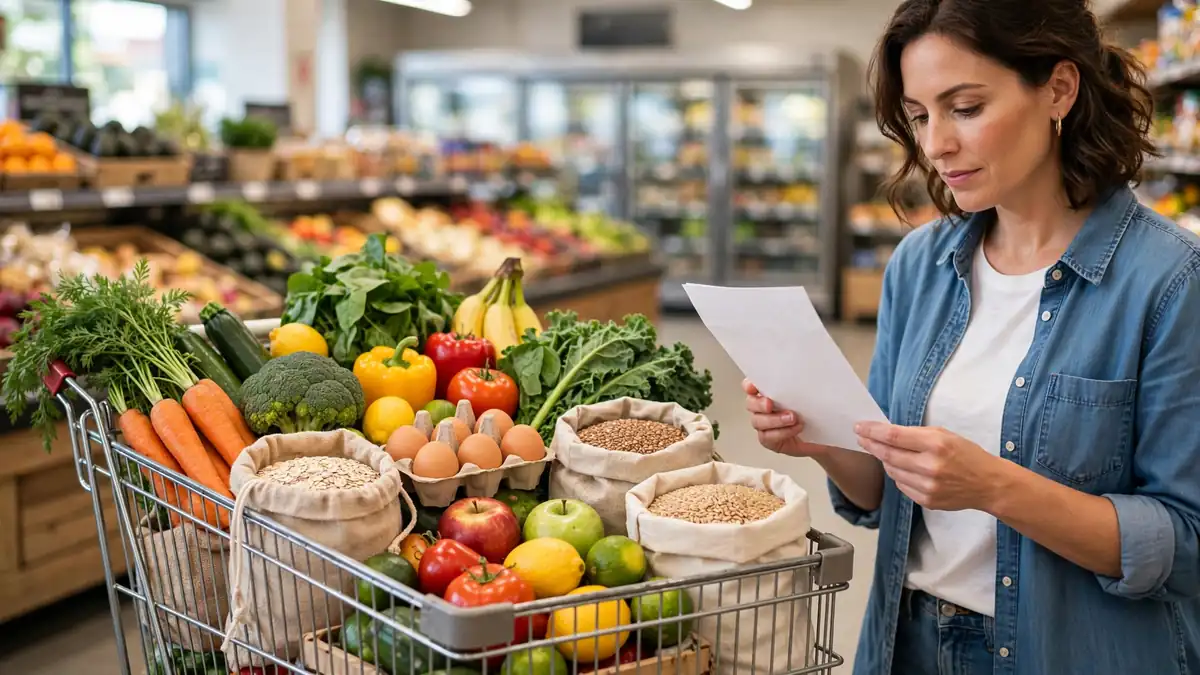
Most grocery overspending happens in the aisle, not at the register. Fix it with three habits:
- Shop your kitchen first. Check the pantry, fridge, and freezer before writing a list. Most households already own two or three meals’ worth of ingredients.
- Plan five dinners, not seven. Life happens — leftovers, a work lunch, a pizza night. Planning five dinners with flexible ingredients prevents the Thursday-night food waste spiral.
- Write a list and honor it. Stores are engineered to trigger impulse buys. A list is your defense, and shopping after a meal (never hungry) is your backup.
A weekly plan structure like meal planning for weight loss works for budgets too, because the same plan that controls calories also controls spending.
The Cheapest Healthy Foods (Your Core List)
Build your cart around these staples and your cost per meal drops below $2 surprisingly fast:
- Dry or canned beans and lentils: often $0.15–$0.30 per serving, with fiber and protein
- Eggs: one of the cheapest complete proteins anywhere
- Oats: pennies per bowl, endless breakfast options
- Frozen vegetables and fruit: picked ripe, nutritionally equal to fresh, zero spoilage
- Cabbage, carrots, onions, potatoes: the budget backbone of every cuisine on earth
- Whole chickens and bone-in cuts: far cheaper per pound than boneless skinless everything
- Canned tuna and sardines: inexpensive omega-3 sources
- Peanut butter: calorie-dense, filling, shelf-stable
- Brown rice and whole-wheat pasta: cheap, versatile bases
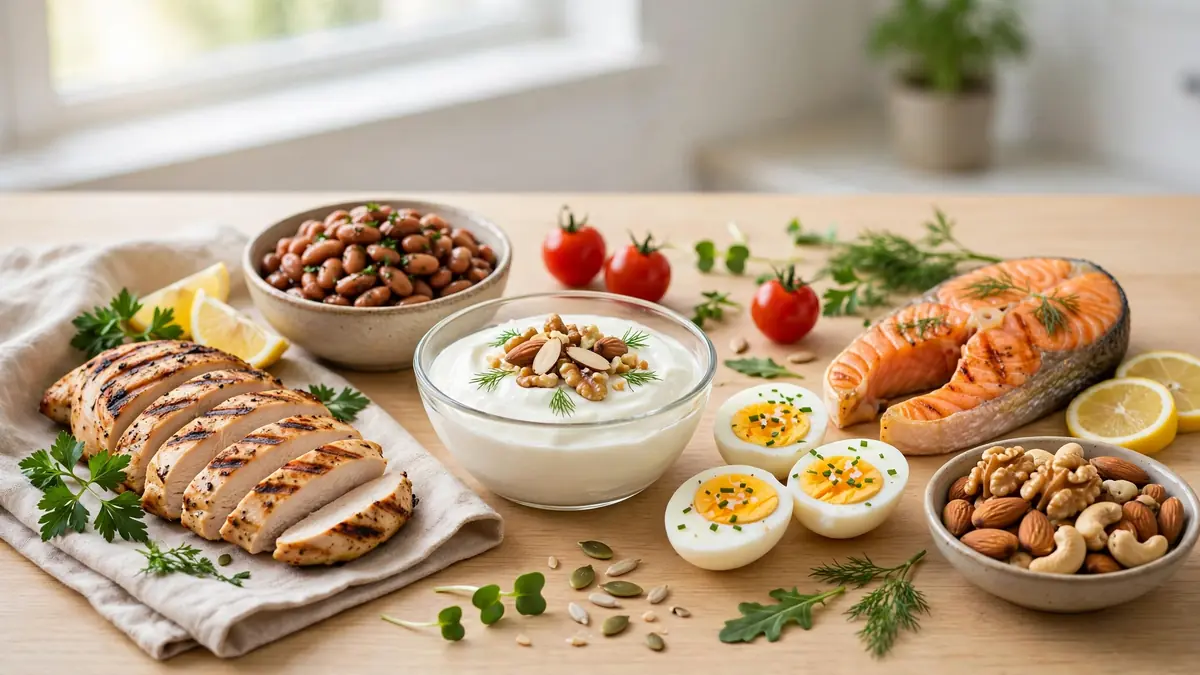
For protein planning, combine this list with the targets in how much protein do you need — eggs, lentils, beans, and Greek yogurt on sale will carry most people to their number for a few dollars a day.
Smart Shopping Strategies That Actually Work
Buy store brands
For staples like oats, beans, frozen vegetables, and yogurt, store brands are typically 20–40 percent cheaper and nutritionally identical. Compare unit prices — the small number on the shelf tag — rather than package prices.
Shop the sales cycle
Proteins rotate on sale every few weeks. When chicken, ground turkey, or frozen fish hits a real sale, buy double and freeze the extra. A modest freezer stockpile means you rarely pay full price for the most expensive category in your cart.
Choose frozen and canned without guilt
Frozen broccoli is not a compromise; it is often fresher than the “fresh” broccoli that traveled for a week. Canned tomatoes, beans, and fish are budget gold. Just check sodium when how to read nutrition labels and rinse canned beans to cut the salt.
Skip the drink aisle
Soda, juice, and fancy waters quietly inflate bills while adding sugar. Tap water with lemon or a home pitcher of iced tea costs almost nothing — and you avoid the trap described in how much sugar per day guidelines.
Cook Once, Eat All Week
Batch cooking is the engine of budget eating. Spend 90 minutes on a Sunday roasting a tray of chicken thighs, cooking a big pot of lentils or chili, washing greens, and preparing a grain. That single session becomes lunches and dinners for days.
This is exactly the system in meal prep for beginners, and it scales to the workweek with meal prep lunches for work — five packed lunches can easily save $50 a week versus buying lunch out. Keep two “emergency” freezer meals ready for chaotic days so a rough evening does not turn into a $45 delivery order.
A Sample Budget Week (About $60–$75 for One Adult)
- Breakfasts: oatmeal with banana and peanut butter, or eggs with toast — alternate all week. Add ideas from healthy breakfast ideas as you get bored.
- Lunches: leftover dinners, bean-and-rice bowls, or tuna salad on greens.
- Dinners: lentil soup; chicken stir-fry with frozen vegetables; black bean tacos; pasta with white beans, spinach, and garlic; homemade fried rice with eggs and leftover vegetables.
- Snacks: carrots with hummus, apples, popcorn, yogurt — see healthy snacks that fill you up.
Notice what this week does not include: supplements, powders, specialty drinks, or anything from a health-food boutique. Just food.
Mistakes That Quietly Drain Your Budget
- Buying fresh produce with no plan. Aspirational spinach that wilts by Friday is the most common food-waste item in America. Buy fresh for the first days of the week, frozen for the rest.
- Paying for convenience cuts. Pre-chopped vegetables and marinated meats can double the price.
- Shopping daily. Every extra trip adds impulse items. One big trip plus one small top-up is the sweet spot.
- Confusing “organic” with “necessary.” If money is tight, conventional produce beats no produce, every time. Wash it and eat it.
Cut Food Waste: The Hidden 20 Percent of Your Budget
The average American household throws away a shocking share of the food it buys — by many estimates around a fifth. That is money composted. Three fixes recover most of it. First, give leftovers a scheduled night: a weekly “use it up” dinner of fried rice, soup, frittatas, or grain bowls turns odds and ends into a planned meal instead of a guilt pile. Second, store food visibly — clear containers at eye level in the fridge, with an “eat first” spot for anything aging. Third, freeze aggressively and early: bread, herbs in oil, cooked grains, raw meat, and even milk all freeze well if you do it the day you buy them rather than the day they expire. A freezer inventory note on your phone stops the duplicate-buying that fills freezers with archaeology.
Choosing Where to Shop: Warehouse Clubs, Markets, and Discount Stores
No single store wins on everything, so match the store to the category. Warehouse clubs deliver the best unit prices on oats, rice, frozen vegetables, eggs, cheese, and meat you can portion and freeze — but only if your household actually uses bulk quantities before they spoil. Discount grocers often beat everyone on produce and pantry staples, though selection varies weekly. Farmers markets shine late in the day, when vendors would rather discount than haul produce home, and seasonal gluts make local vegetables genuinely cheap. Ethnic grocery stores are an open secret for spices, lentils, tofu, rice, and sauces at half the supermarket price. One practical upgrade: drink tap water instead of buying bottled drinks — the habit in how to drink more water saves money and health at the same time.
Feeding kids on the same plan works well too, because the core foods are familiar: tacos, pasta, soups, and breakfast-for-dinner nights. Let children pick one fruit and one vegetable each week at the store; food they chose is food they actually eat, and uneaten food is the only truly expensive food.
Your First Two Weeks: A Realistic Starter Plan
Do not overhaul everything at once. In week one, change only three things: write a list before shopping, build dinners around one budget protein (this week, eggs and beans), and pack lunch twice instead of buying it. Notice what you actually saved — most people see $30 to $60 without feeling deprived. In week two, add one 90-minute batch-cooking session and one freezer stock-up bought on sale. That is the whole system.
Track just two numbers for a month: your weekly grocery total and how much food you threw away. Both should fall together. If the grocery total falls but waste rises, you are overbuying fresh food — shift more of the list to frozen. If waste is low but spending is high, convenience items are the leak — find the pre-cut, pre-marinated, single-serving products in your cart and replace one per week. Small, measured adjustments like this are how real households bend a food budget permanently, instead of enduring one heroic cheap month and rebounding.
The Bottom Line
Healthy eating on a budget is a skill, not a salary level. Plan five dinners, build your cart on the cheapest staple foods, cook once and eat for days, and let frozen and store-brand options do the heavy lifting. Within a month, most people find they are eating better and spending less at the same time — and that combination is one of the most sustainable how to build healthy habits there is. Start with one week, one list, and one honest grocery receipt. The numbers will convince you.