
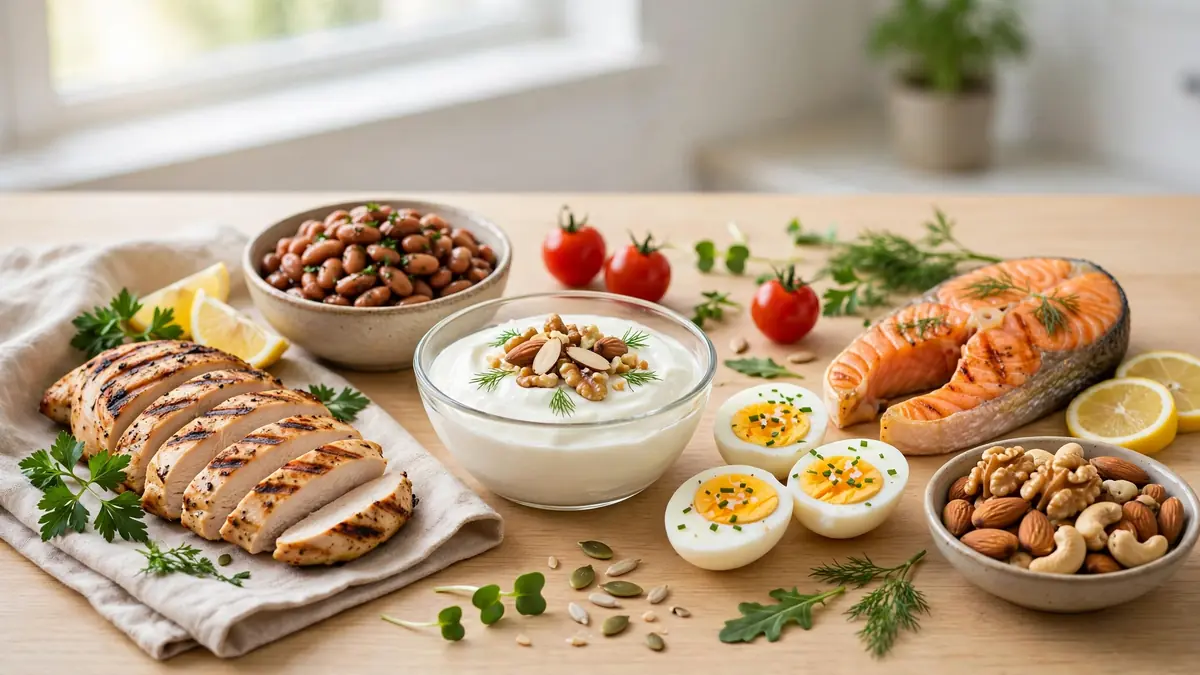
Protein is the most talked-about nutrient in health — and the most misunderstood. Some people worry they are barely getting enough, while others spend a fortune on powders they may not need. So how much protein do you need, really? The honest answer depends on your body weight, your activity level, and your goal. This guide gives you the simple math, the best food sources, and a realistic plan to hit your number without obsession.
Why Protein Matters More Than You Think
Protein is built from amino acids, the raw materials your body uses to build and repair muscle, skin, hair, enzymes, and immune cells. Unlike fat and carbohydrate, your body has no real storage depot for protein. When you consistently eat too little, your body borrows from muscle — which is why low-protein diets quietly cost people strength, especially as they age.
Protein also has two handy side effects. First, it is the most filling macronutrient, so protein-rich meals keep hunger away longer. Second, your body burns more calories digesting protein than digesting fat or carbs. Together, those effects explain why nearly every sensible approach to how to lose weight safely starts with getting protein right.
How Much Protein Do You Need? The Simple Math
The official minimum — the RDA — is 0.8 grams of protein per kilogram of body weight per day (about 0.36 grams per pound). For a 150-pound person, that is only about 54 grams. But understand what the RDA is: it is the minimum to avoid deficiency in a sedentary person, not the amount that supports the best health, muscle, or appetite control.
Research on active people and people losing weight points to higher, more useful targets:
- Sedentary adult: 0.5–0.6 g per pound of body weight (75–90 g for 150 lb)
- Regularly active: 0.6–0.8 g per pound (90–120 g for 150 lb)
- Building muscle or losing fat: 0.8–1.0 g per pound (120–150 g for 150 lb)
- Adults over 50: aim for the active range even if workouts are light, to protect muscle and bone health tips as you age
A simple rule of thumb many dietitians use: aim for roughly 100 grams a day as a solid baseline if you are an average-sized active adult, then adjust up if you are larger or training hard. If you are following a schedule like intermittent fasting explained, hitting these numbers inside a shorter eating window takes a little planning — each meal has to carry more protein.
Protein for Weight Loss, Muscle, and Healthy Aging
For weight loss
Higher protein is the dieter’s best friend. It preserves muscle while fat comes off, keeps you full between meals, and reduces the rebound hunger that sinks most plans. Pair adequate protein with smart meal planning for weight loss and progress becomes far steadier.
For muscle and strength
Protein provides the bricks, but training provides the signal. If you are following a plan like strength training for beginners, spreading 0.8–1.0 g per pound across the day gives your muscles a constant supply of building material.
For older adults
After about age 50, muscles respond less strongly to protein — a process called anabolic resistance. Older adults generally do better at the higher end of the range, with a solid protein serving at breakfast, the meal most people skimp on. This is one of the simplest healthy aging habits to adopt.
The Best Protein Sources (With Real Numbers)
You do not need exotic foods. These everyday options deliver serious protein:
- Chicken breast (6 oz cooked): ~52 g
- Greek yogurt, plain nonfat (1 cup): ~20–24 g
- Eggs (2 large): ~12 g
- Canned tuna (1 can): ~25–30 g
- Ground beef, 90% lean (4 oz cooked): ~28 g
- Salmon (5 oz): ~30 g
- Cottage cheese (1 cup): ~25 g
- Lentils (1 cup cooked): ~18 g, plus lots of fiber
- Tofu (1 cup): ~20 g
- Black beans (1 cup cooked): ~15 g
Plant sources work fine — just combine them across the day and eat slightly more total, since plant proteins are a bit less concentrated. A meal prep for beginners routine makes this effortless, because protein is cooked and waiting instead of an afterthought.
How to Spread Protein Through the Day
Your body uses protein best when it arrives in steady servings of roughly 25–40 grams per meal rather than one giant load at dinner. Here is what a simple 110-gram day looks like:
- Breakfast: Greek yogurt with berries and a boiled egg — ~30 g. More ideas live in healthy breakfast ideas.
- Lunch: Chicken and black bean bowl — ~40 g
- Snack: Cottage cheese or a handful of roasted chickpeas — ~12 g. See healthy snacks that fill you up for more.
- Dinner: Salmon with lentils and vegetables — ~35 g
No powders required. A shake is convenient when life gets busy, but real food covers the target for most people — and often for less money, especially when you shop with healthy eating on a budget in mind.
Four Protein Myths to Ignore
“Too much protein damages healthy kidneys.” In people with healthy kidneys, higher-protein diets have not been shown to cause damage. If you have kidney disease, that is a different situation — follow your doctor’s guidance.
“Your body can only absorb 30 grams per meal.” Your body absorbs nearly all of it; the 30-gram figure was about maximizing muscle building per meal, not a hard limit.
“More is always better.” Beyond about 1 gram per pound, extra protein mostly becomes expensive calories. Enough beats excess.
“Protein powder is mandatory.” It is a convenience food, nothing more. Whole foods do the same job and feed your gut health explained system at the same time.
Can You Eat Too Much Protein?
For healthy adults, intakes up to about 1 gram per pound of body weight are considered safe. The realistic risks of going far beyond that are practical, not dramatic: you crowd out fiber-rich plants, your grocery bill climbs, and digestive discomfort shows up. Watch the quality of your sources too — heavily processed meats carry baggage that lean proteins do not. Learning how to read nutrition labels helps you spot the difference quickly.
If you have kidney disease, gout, or another condition affected by diet, talk to your doctor or a registered dietitian before raising your protein intake.
Does Protein Timing Matter? The “Anabolic Window” Explained
For years, gym culture insisted you had to drink a shake within 30 minutes of your last rep or the workout was wasted. Modern research is calmer: what you eat across the whole day matters far more than any narrow window. If you trained after a long gap without food, eating a normal protein-rich meal within a couple of hours is perfectly sensible. If you ate a solid meal two or three hours before training, there is no rush at all. The only group that benefits from fussier timing is competitive athletes training twice a day. For everyone else, total daily intake, spread across three or four meals, is where results come from — so spend your energy there instead of watching the clock.
Getting Enough Protein on a Plant-Based Diet
Vegetarians and vegans can absolutely hit these targets; it just takes a little design. The old advice said every meal must combine specific foods to form “complete” proteins. That is outdated — your body pools amino acids across the day, so eating a variety of plant proteins over 24 hours covers your needs without meal-by-meal math.
The highest-protein plant anchors are lentils, black beans, chickpeas, edamame, tofu, tempeh, quinoa, Greek-style plant yogurts, nuts, and seeds. Because plant sources are less concentrated and often come packaged with fiber (a good thing), plant-based eaters usually aim about 10 percent higher on total grams. One example day: oatmeal with peanut butter and soy milk at breakfast (~20 g), a lentil and quinoa bowl at lunch (~25 g), roasted edamame as a snack (~17 g), and a tofu stir-fry at dinner (~30 g) already lands near 90 grams before drinks and sides. Track your intake for three ordinary days with any free app; most people discover they are either much lower than they assumed — useful to know — or closer than they feared.
What If You Struggle to Eat Enough Protein?
Some people — small appetites, busy schedules, very active teenagers, older adults eating less overall — find the target genuinely hard at first. A few practical upgrades help without adding meal stress. Choose the higher-protein version of foods you already eat: Greek yogurt instead of regular yogurt, milk or soy milk instead of water in oatmeal, two eggs instead of one. Add a protein anchor to snacks instead of eating snacks naked — apple slices with peanut butter, popcorn with roasted chickpeas, a small handful of nuts on top of yogurt. If appetite is the issue, liquid calories are easier to get down: a smoothie with milk, yogurt, and nut butter can deliver 30 grams in a glass. Start by raising intake 20 grams a day for a week rather than jumping straight to your final target; adherence beats arithmetic.
The Bottom Line
So, how much protein do you need? Start with 0.6–1.0 grams per pound of body weight depending on your activity and goals, spread it across your meals, and build it from affordable whole foods. Combine that with regular movement — something as simple as the benefits of walking 10,000 steps a day — and you have covered one of the highest-impact basics in all of health. Weigh yourself, check your energy and strength after a few weeks, and adjust. Simple, measured, and sustainable beats perfect every time.