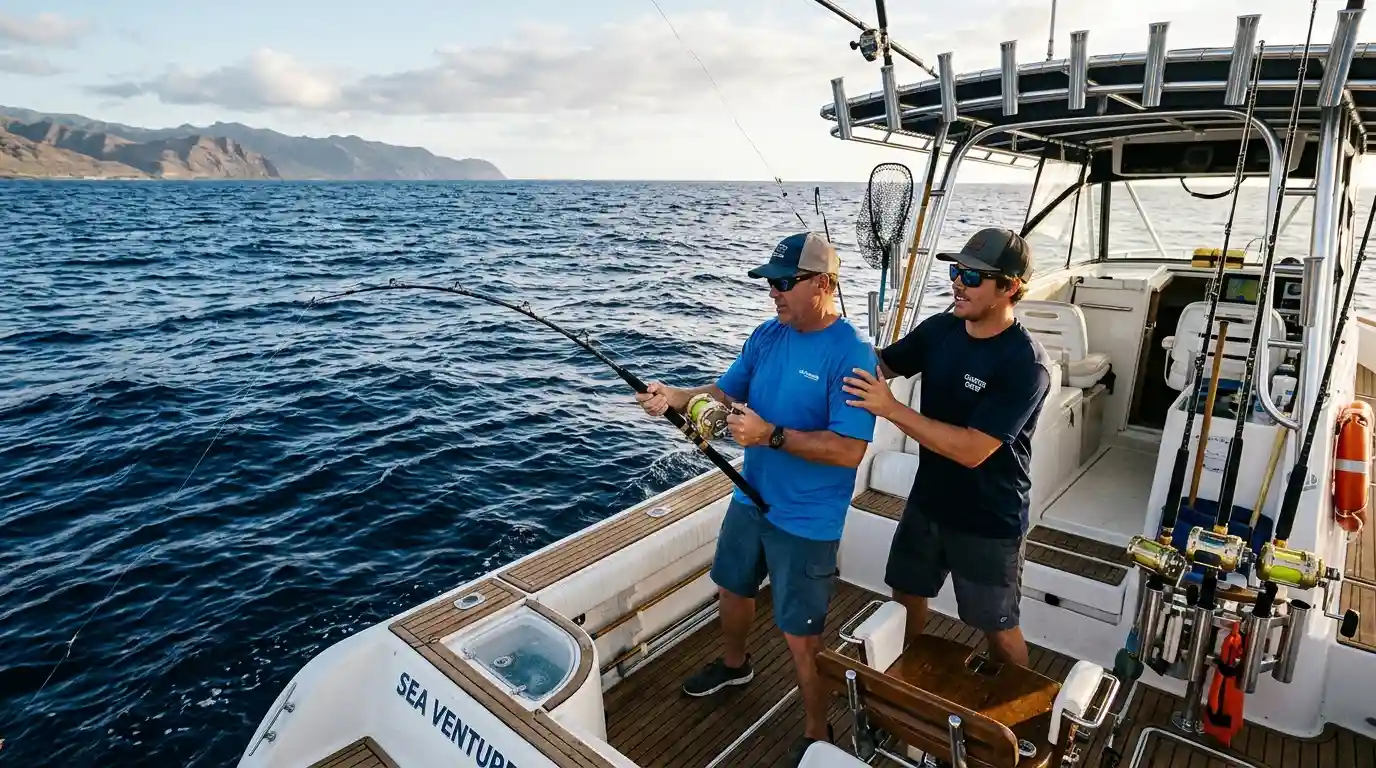
A fishing excursion can also be part of a wider coastal getaway. Travelers planning an adventure may enjoy exploring coastal places to visit in Scotland or researching places near Eureka Springs, Arkansas when building a broader outdoor travel itinerary. The best destination depends on the type of fishing available, the season, local regulations, and the experience you want.
What Makes Sport Fishing an Exciting Experience?
Unlike fishing from a riverbank or pier, a boat-based fishing trip can provide access to different habitats and deeper water. The experience combines navigation, bait selection, observation, and the challenge of responding to fish activity. Every trip is different because weather, currents, water temperature, and seasonal fish movements influence the conditions.
For anglers, the appeal extends beyond the catch. Watching the coastline recede, learning from an experienced captain, and sharing the excitement of a strike can make a day on the water memorable. However, specific catches are never guaranteed. Before booking Maggie Joe sport fishing, confirm the actual departure location, available trip options, target species, and what the charter includes.
Fishing Equipment and Technology
The right equipment depends on the location, target species, fishing method, and expected conditions. Rods and reels must be suitable for the size and strength of the fish, while lines, hooks, leaders, and terminal tackle need to match the chosen technique. Bait and lures should also be selected according to local fishing conditions and regulations.
Depending on the vessel and trip, a charter may use GPS navigation, sonar or fish-finding equipment, and marine communication systems. These tools can help the crew navigate and understand underwater conditions, but they cannot guarantee a successful catch. Ask whether fishing rods, tackle, bait, licenses, and other essentials are included in the quoted price.
Travelers organizing an extended trip should also consider practical preparation. A suitable bag, weather-appropriate clothing, and protected storage for personal belongings can make the journey easier. The Calia travel tote guide may offer ideas for organizing everyday travel essentials.
Choosing the Right Fishing Location
Location is one of the most important factors when planning a fishing excursion. Coastal waters, offshore grounds, reefs, and other marine environments support different species and fishing techniques. The best option depends on the season, local regulations, travel distance, and the experience level of everyone aboard.
Before selecting a trip, ask the operator where the vessel departs, how long it takes to reach the fishing grounds, and whether the itinerary changes with weather or sea conditions. Confirm the expected duration and whether the excursion stays nearshore or travels farther offshore.
It can be helpful to plan accommodation and transportation alongside the fishing trip. If your itinerary includes an overnight stay, explore options such as a townhouse hotel experience or read about Hotel Airone. These articles are general travel-planning resources; confirm that any accommodation you choose is actually convenient for your departure point.
Understanding the Role of the Captain and Crew
A knowledgeable captain and attentive crew can make a substantial difference to a sport fishing trip. They should explain onboard procedures, demonstrate how to use unfamiliar equipment, and provide guidance on handling fishing lines and landed fish. Beginners should feel comfortable asking questions before the boat leaves the dock.
Ask about the captain’s experience in the relevant waters, the crew-to-guest arrangement, and the safety briefing provided before departure. You should also understand how the crew handles changing weather, equipment problems, and unexpected delays.
Do not assume that an operator has particular licenses, certifications, awards, or catch records without verification. Before booking Maggie Joe sport fishing, check the available business information, applicable permits, recent customer feedback, and the terms of the charter.
Is Sport Fishing Suitable for Beginners and Families?
Sport fishing can be enjoyable for newcomers and families when the trip is appropriate for their needs. Shorter nearshore excursions may be a better starting point than long offshore journeys for people who are unfamiliar with boats or prone to motion sickness.
Ask whether children are permitted, whether age restrictions apply, and what safety equipment is provided for every passenger. Find out whether the crew offers basic fishing instruction and whether the planned trip duration is suitable for younger participants.
Before departure, discuss accessibility requirements and any concerns about balance, mobility, or seasickness. Bring sun protection, suitable clothing, drinking water, and any personal necessities recommended by the operator. Families who prefer to combine outdoor activities with sightseeing can also research destinations through this guide to places near Central Park in New York when planning a separate city visit.
Safety and Responsible Fishing Practices
Safety should be a priority on every fishing charter. Conditions offshore can change quickly, so passengers should follow the captain’s instructions, wear suitable footwear, and understand where life jackets and emergency equipment are stored. Check the weather forecast before departure and confirm that the operator has a plan for postponements or cancellations caused by unsafe conditions.
Responsible fishing matters just as much. Size limits, seasonal closures, bag limits, protected species rules, and license requirements vary by location. Confirm the applicable rules before fishing, and ask the crew how catches are handled, stored, released, or retained.
When practicing catch-and-release fishing, minimize the time the fish spends out of the water, use appropriate tackle, and follow local guidance for safe handling. Avoid taking protected species or keeping fish that do not meet legal requirements. Responsible decisions help preserve marine ecosystems and maintain opportunities for future anglers.
How to Prepare for Your Fishing Charter
A little planning can reduce stress on departure day. Confirm the meeting point, check-in time, expected return time, payment terms, and cancellation policy. Ask whether meals, drinks, fishing licenses, bait, tackle, and fish-cleaning services are included or charged separately.
- Wear weather-appropriate clothing and non-slip footwear.
- Bring sunscreen, sunglasses, and a suitable hat.
- Carry drinking water and any permitted personal medication.
- Confirm whether the trip provides rods, reels, tackle, and bait.
- Check local fishing rules and the operator’s catch policy.
- Keep valuables protected from spray and wet surfaces.
- Follow the captain’s safety briefing and instructions throughout the trip.
If the fishing trip forms part of a longer holiday, account for travel time and leave a reasonable buffer between activities. General planning resources such as this overview of travel and accommodation costs in China and this guide to Scotland’s coastal destinations can help inspire separate travel plans, although prices and conditions should be checked for your actual destination.
Booking Maggie Joe Sport Fishing
Before paying a deposit, confirm the operator’s identity, exact departure location, trip duration, passenger limit, available dates, and total cost. Request written confirmation of what the booking includes and ask how cancellations, poor weather, mechanical problems, and rescheduling are handled.
It is also worth checking whether the trip is private or shared, whether beginners are welcome, and whether the advertised target species are seasonal possibilities rather than guaranteed catches. If the operator offers several packages, compare the time on the water and the services included instead of choosing on price alone.
Travel arrangements can affect the overall experience, particularly when a charter requires an early departure. Plan transport and accommodation carefully, and consider reading guidance on fabrics for summer clothing when selecting lightweight clothing for warm-weather travel. For a broader destination-focused itinerary, the home services overview is less relevant to fishing itself, so it should not be treated as a fishing resource; prioritize destination-specific information when making actual arrangements.
Making the Most of Your Time on the Water
Once aboard, listen to the crew, stay alert to changing conditions, and be patient. Fishing requires adaptability, and even a well-planned excursion may produce a different result from what you expected. Enjoy the learning process, take photographs when it is safe to do so, and respect other passengers’ space and the marine environment.
Keep expectations realistic. The value of a sport fishing trip is not measured only by the number or size of fish caught. Time outdoors, learning new techniques, and sharing the experience with friends or family can be equally rewarding.
Final Thoughts
Maggie Joe sport fishing can be a starting point for researching a memorable day on the water, but a successful booking depends on clear information and sensible preparation. Verify the operator’s details, understand what the trip includes, check local fishing regulations, and put safety first.
With the right expectations and preparation, a sport fishing excursion can offer an engaging way to experience the marine environment, develop angling skills, and enjoy time away from everyday routines. Choose a trip that matches your experience level, ask questions before departure, and make responsible fishing practices part of the adventure.