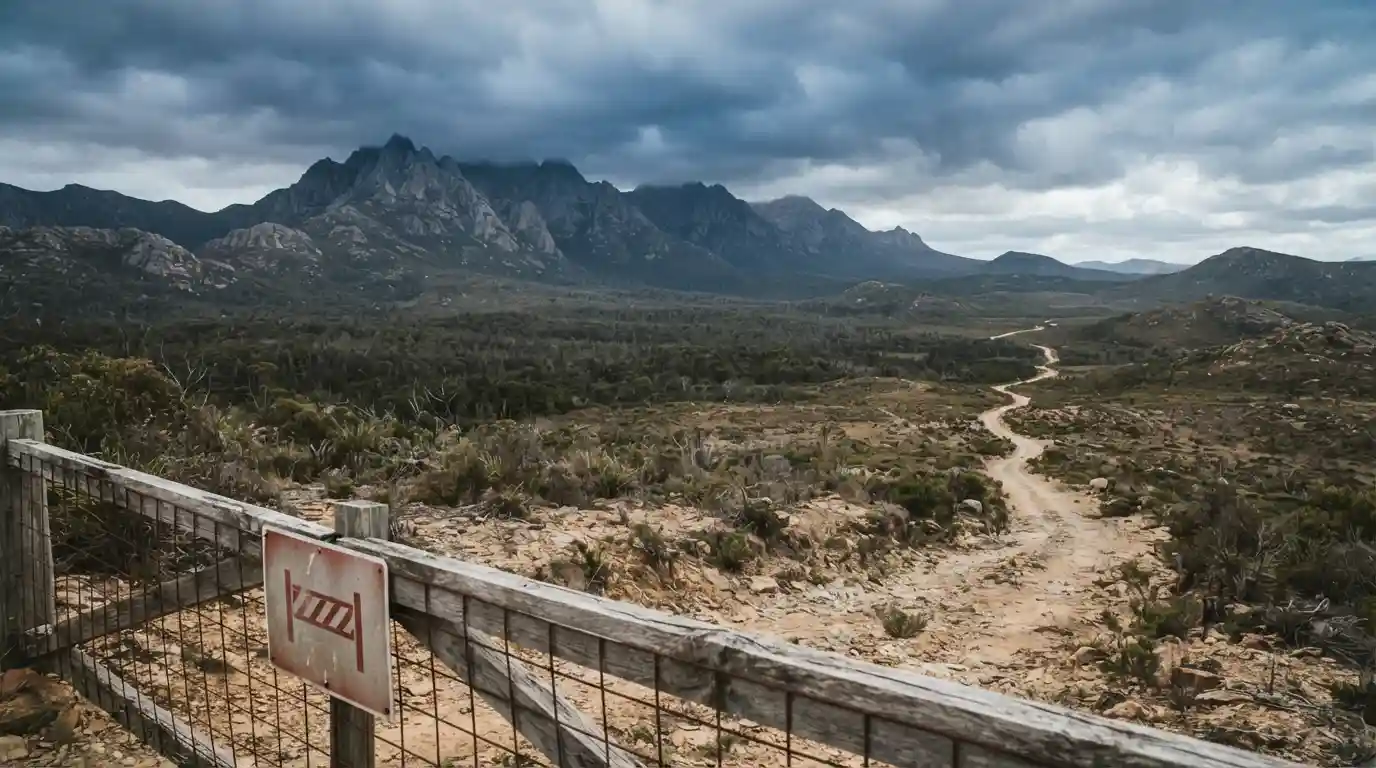
This guide to the top places not to visit in the world takes a practical approach. It does not suggest that these destinations have no value or that nobody should ever go there. Instead, it highlights places where travelers should think carefully about safety, accessibility, local restrictions, environmental conditions, or the overall suitability of a trip.
If you are looking for more conventional travel inspiration, you can also explore guides covering the top places to visit in the world, 25 places to visit around the world, or amazing places to visit in Europe.
What Makes a Place One of the Places Not to Visit?
A destination can be unsuitable for travelers for many different reasons. It may have dangerous terrain, extreme weather, political instability, limited infrastructure, strict access rules, health risks, or environmental conditions that make ordinary tourism inappropriate.
It is also important to distinguish between a destination that is genuinely dangerous and one that simply requires more preparation than a standard vacation. For example, a remote wilderness area may be spectacular but unsuitable for someone expecting comfortable hotels, reliable transport, and easy access to emergency services.
1. North Sentinel Island, India
North Sentinel Island is one of the world’s most isolated destinations and is home to the Sentinelese, an Indigenous community that has maintained an extremely isolated way of life. The island is not an ordinary tourist destination and should not be treated as one.
Travelers should never attempt to approach the island or make unauthorized contact with its inhabitants. The isolation of the community makes outside contact potentially harmful, while the island’s protected status creates additional restrictions.
If you are interested in exploring India through more accessible destinations, consider researching places to visit in Delhi for street food or places to visit in Coorg instead.
2. The Darién Gap, Panama and Colombia
The Darién Gap is a remote region between Panama and Colombia known for dense rainforest, difficult terrain, limited infrastructure, and serious security concerns in some areas. It is very different from an ordinary hiking destination.
Its remoteness means that travelers can be far from reliable transportation, medical assistance, and other basic services. Organized expeditions and specialist journeys require substantial preparation, local knowledge, and careful consideration of current conditions.
For travelers who prefer safer nature-focused destinations, natural places to visit in California offer a much more accessible alternative.
3. Chernobyl Exclusion Zone, Ukraine
Chernobyl is one of the world’s most famous abandoned and historically significant locations. The 1986 nuclear disaster transformed the area into an exclusion zone, making it fundamentally different from conventional tourist destinations.
Access has historically depended on authorization, organized arrangements, and specific safety procedures. Conditions can also change because of security, weather, infrastructure, and other factors.
Travelers fascinated by unusual destinations can instead explore safer historical and cultural locations through guides such as nerdy places to visit in the United States.
4. Mount Everest’s High-Altitude Routes
Mount Everest is one of the most iconic destinations on Earth, but reaching its higher elevations is not a normal sightseeing experience. Extreme altitude, rapidly changing weather, steep terrain, cold temperatures, and physical exhaustion can make high-altitude travel dangerous.
Even travelers attempting trekking routes rather than climbing the summit need to take altitude acclimatization, weather conditions, physical fitness, and emergency planning seriously.
If you want a winter mountain experience with a more conventional travel structure, you may prefer destinations featured in our guide to the best places to visit in winter.
5. The Danakil Depression, Ethiopia
The Danakil Depression is famous for its extreme heat, volcanic landscapes, salt flats, and otherworldly scenery. Its unusual environment attracts adventurous travelers, but the same characteristics that make it fascinating can also make it physically demanding.
Extreme temperatures, remote terrain, limited services, and difficult road conditions mean that independent casual travel is not appropriate for everyone. Anyone considering the region should carefully evaluate conditions and use experienced local operators where appropriate.
6. The Darvaza Gas Crater, Turkmenistan
Often called the “Door to Hell,” the Darvaza Gas Crater is a dramatic natural and industrial attraction in Turkmenistan. Its remote desert location makes the journey considerably more complicated than visiting a conventional city attraction.
The destination is most appropriate for experienced travelers who understand the country’s travel requirements and are prepared for remote desert conditions. It is not an easy destination for a spontaneous vacation.
Travelers looking for unusual but more accessible international destinations may enjoy exploring unique places to visit in New Zealand.
7. The Amazon Rainforest’s Most Remote Areas
The Amazon is one of the world’s greatest natural environments, but its most remote regions are not designed for casual tourism. Dense vegetation, powerful rivers, insects, wildlife, heat, humidity, and limited medical infrastructure can create serious challenges.
Visiting established lodges or guided areas can be an incredible experience, but attempting to explore isolated sections without proper support can be dangerous. Travelers should also consider the environmental and cultural responsibilities involved in visiting sensitive rainforest communities.
8. The Darién-Style Remote Jungle Routes
Some of the world’s most difficult jungle routes are promoted online as extreme adventures. Remote jungle travel can involve river crossings, unpredictable weather, difficult navigation, insects, wildlife, and limited access to emergency services.
A destination being visually spectacular does not automatically make it a good holiday destination. Travelers should distinguish between an organized ecological experience and an unsupported expedition into an isolated environment.
9. Active Conflict Zones
Places affected by active armed conflict should generally be excluded from ordinary vacation planning. Even when a destination has historically been famous for architecture, culture, food, or landscapes, current conditions can completely change the travel equation.
Conflict can affect airports, roads, hotels, communications, medical services, borders, and evacuation options. Travelers should never assume that a destination is safe simply because old travel photographs or historical tourism guides still appear online.
If you want international travel inspiration without focusing on conflict-affected regions, explore top places to visit in Eastern Europe or places to visit in Zurich, Switzerland.
10. The Arctic’s Most Remote Wilderness
The Arctic is spectacular, but remote polar environments require specialized planning. Extreme cold, limited transportation, unpredictable weather, seasonal darkness, and long distances between services can make ordinary travel assumptions unreliable.
Expedition cruises and professionally organized Arctic journeys can provide safer ways to experience polar landscapes. However, travelers should not treat remote Arctic wilderness as an ordinary self-guided vacation.
11. Antarctica’s Restricted and Remote Areas
Antarctica is one of the most extraordinary places on Earth, but its remoteness and environmental sensitivity make it fundamentally different from typical destinations.
Travelers generally experience Antarctica through specialized expedition cruises and carefully managed itineraries. Attempting to travel independently into remote areas can create significant logistical and safety challenges.
For travelers who love dramatic landscapes but want easier access, consider snowy places to visit in the United States.
12. Highly Active Volcanic Zones
Active volcanic areas can be visually spectacular, but volcanic activity can change rapidly. Lava, ash, toxic gases, falling rocks, earthquakes, and sudden changes in access conditions can make some locations unsuitable for casual visitors.
Travelers should follow local authorities, park services, and professional guides rather than attempting to approach an active volcanic area simply for photographs.
For volcanic landscapes with established visitor infrastructure, travelers can research Lassen Volcanic National Park and its established trails and scenic areas.
13. Remote Desert Crossings
Large deserts can look peaceful from photographs, but remote desert crossings can become dangerous because of extreme temperatures, dehydration, navigation problems, mechanical failures, and limited communication.
A desert destination can be perfectly suitable when visited through an established tour, national park, resort, or guided excursion while being completely unsuitable for unsupported travel.
For travelers who want desert scenery with more conventional tourism infrastructure, places to visit in Dubai provide a more accessible option.
14. Extremely Remote Mountain Passes
High mountain passes can combine altitude, snow, rockfall, difficult trails, and rapidly changing weather. Even experienced hikers can encounter conditions that are far more serious than expected.
Before planning a remote mountain journey, travelers should understand the season, elevation, route conditions, rescue options, permits, and local requirements.
If you want mountain scenery without committing to an extreme expedition, consider the best places to visit in Montana or Texas Hill Country.
15. Areas With Severe Seasonal Weather
Some destinations become dramatically more difficult during particular seasons. Heavy snow, hurricanes, extreme heat, flooding, wildfires, or freezing temperatures can affect roads, flights, accommodation, and outdoor activities.
This does not necessarily mean a destination should never be visited. It means travelers should understand when conditions make a particular location unsuitable for their experience level and travel plans.
For seasonal trip planning, you can also explore places to visit in Tennessee during fall, places to visit in Vermont in winter, and places to visit in New England during fall.
16. Extremely Crowded Tourist Hotspots During Peak Season
Not every place on a list of destinations to avoid has to be dangerous. Some famous locations become unpleasant because of extreme overcrowding, long queues, inflated prices, traffic, and pressure on local communities during peak travel periods.
In these cases, the smarter strategy may be to travel during shoulder season, choose a less crowded neighborhood, visit early in the day, or select an alternative destination.
Travelers interested in less conventional experiences can explore places to visit around the Gulf of Mexico or places to visit in South West England.
17. Areas With Severe Infrastructure Limitations
Some destinations have incredible natural or cultural attractions but very limited infrastructure. Travelers may encounter unreliable roads, limited accommodation, inconsistent communications, few medical facilities, or long distances between basic services.
These conditions can be manageable for experienced travelers with appropriate preparation, but they may be frustrating or risky for visitors expecting conventional tourism facilities.
18. Environmentally Fragile Natural Sites
Some of the world’s most beautiful places are also among the most fragile. Coral reefs, isolated islands, protected forests, archaeological areas, and habitats of endangered species can be damaged by irresponsible tourism.
In such locations, the question should not simply be whether you can visit. Travelers should consider whether their visit follows local rules, protects the environment, and respects the communities connected to the destination.
Nature-focused travelers can find inspiration in California’s natural destinations and Mount Rainier National Park, where established visitor areas provide structured ways to experience nature.
19. Destinations Where Travelers Ignore Local Laws
A destination may be perfectly legitimate to visit while particular activities remain prohibited. Travelers can get into serious trouble by assuming that laws and customs are the same everywhere.
Before traveling, check entry requirements, photography restrictions, protected areas, dress expectations, local regulations, and rules governing sensitive cultural or religious locations.
Good travel planning is not only about finding attractions. It is also about understanding the destination well enough to avoid accidental violations.
20. Places That Do Not Match Your Travel Experience
Sometimes the best answer to “where should I not visit?” is simply: a place that does not match your needs.
A remote trekking destination may be a dream for an experienced hiker but a poor choice for someone looking for a relaxing resort. A crowded capital may be exciting for one traveler but overwhelming for someone seeking peace and nature. A cold-weather expedition may be unforgettable for an adventurer but miserable for someone who dislikes harsh conditions.
Understanding your own travel style is one of the easiest ways to avoid choosing the wrong destination.
How to Decide Whether a Destination Is Safe and Suitable
Before booking an unusual or challenging destination, consider several important factors.
- Current security conditions: Check reliable and recent travel information.
- Entry requirements: Confirm visas, permits, restricted areas, and border rules.
- Weather: Research seasonal conditions before choosing travel dates.
- Health: Consider altitude, heat, diseases, medical access, and required preparation.
- Transportation: Understand how you will reach the destination and leave it if plans change.
- Emergency support: Determine how quickly medical or rescue assistance could reach you.
- Local customs: Learn the rules and expectations that apply to visitors.
- Environmental impact: Avoid activities that damage fragile ecosystems or disturb wildlife.
- Personal experience: Be realistic about your fitness, skills, and comfort level.
Safer Alternatives for Travelers Looking for Adventure
Choosing not to visit a high-risk destination does not mean giving up adventure. There are thousands of places where travelers can experience mountains, deserts, forests, beaches, history, culture, and wildlife with established tourism infrastructure.
For example, travelers can explore places to visit in the USA from Canada, discover places to visit in the United States with family, or plan a destination-focused trip around places in the United States for couples.
Those looking beyond North America can explore places to visit in Austria, the Philippines, or northern Vietnam.
Final Thoughts
The top places not to visit in the world are not necessarily ugly, boring, or without cultural value. Many are extraordinary precisely because they are remote, extreme, protected, historically significant, or environmentally sensitive.
The important lesson is to match the destination with your experience, preparation, travel goals, and current conditions. Some places should be avoided altogether under certain circumstances, while others can be visited responsibly only through approved routes, professional guides, or carefully organized trips.
Before making a final decision, research the destination carefully, respect local laws and communities, understand environmental responsibilities, and never confuse an impressive photograph with evidence that a location is suitable for your trip.