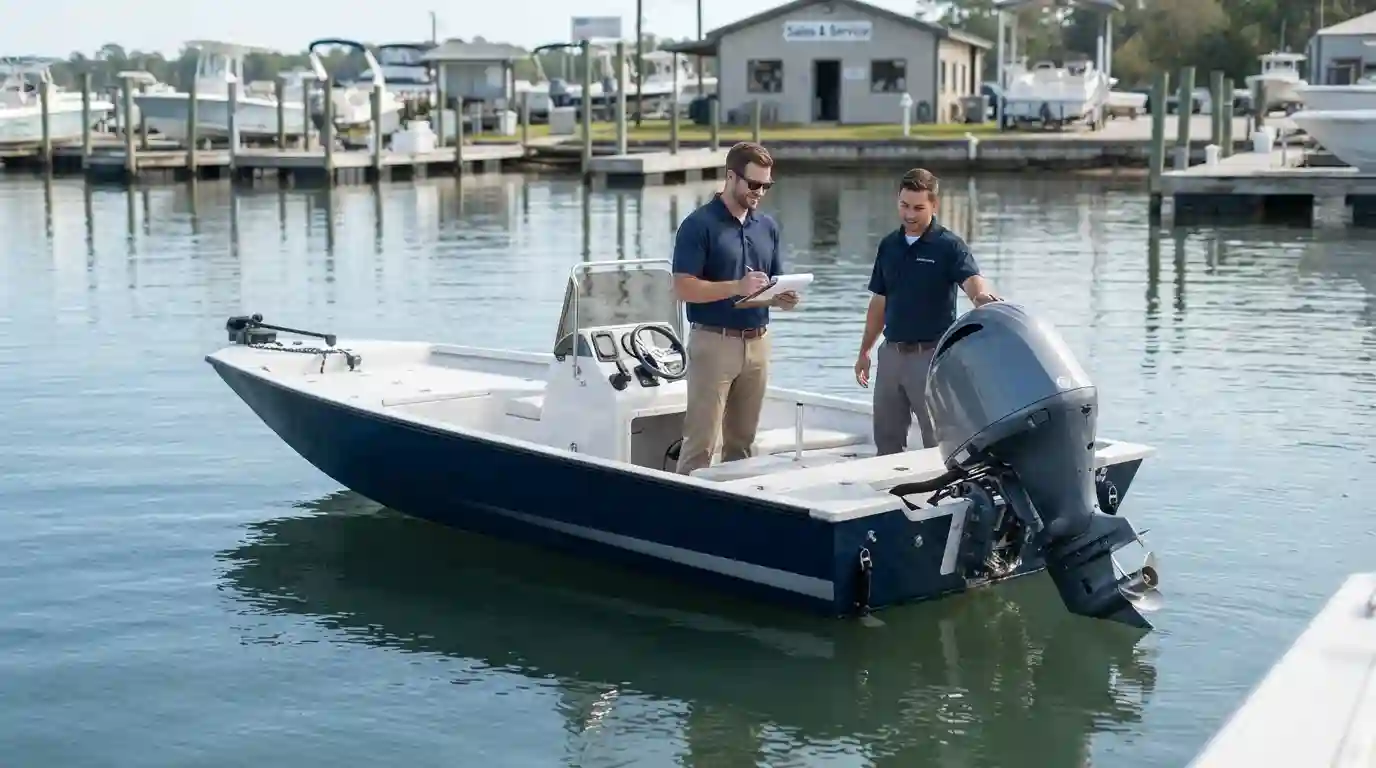
This guide explains how Yamaha outboard financing generally works, what lenders may consider, how to compare offers, and what to evaluate before signing a financing agreement.
Why Consider Financing a Yamaha Outboard?
An outboard motor is one of the most important components of a boat. If your existing engine is becoming unreliable or no longer provides the performance you need, waiting until you have enough cash for a replacement may not always be practical.
Financing can provide a way to acquire the motor sooner while distributing the purchase cost across multiple payments. Instead of using a large portion of your available savings at once, you can structure the purchase around a monthly payment that fits your financial situation.
This can be particularly useful when the motor is needed for fishing, recreation, family boating, or other regular activities on the water.
If your boating plans involve fishing, you may also want to explore related content such as sport fishing adventures and equipment considerations before choosing an engine.
What Is Yamaha Outboard Financing?
Yamaha outboard financing refers to financing arrangements used to purchase a Yamaha outboard motor through an eligible dealer or financing provider. Depending on the transaction, the financing structure may involve the motor itself, a broader boat purchase, or another eligible Yamaha product.
Yamaha has financial-services operations in the United States, while Yamaha dealers may also work with financing programs or partners. Availability, eligibility, rates, fees, loan terms, and promotional offers can vary, so buyers should review the actual agreement rather than assuming that every dealer or applicant receives the same terms.
The process usually begins by identifying the motor you want and determining how much you need to finance. The lender then evaluates the application and provides terms based on factors such as credit profile, amount financed, repayment period, and other underwriting considerations.
How Does Yamaha Outboard Financing Work?
The exact process can vary by dealer and financing provider, but buying an outboard with financing commonly follows several steps.
1. Choose the Right Outboard
Start by determining the horsepower, configuration, and specifications appropriate for your boat. Your boat’s size, weight, hull design, intended use, and manufacturer recommendations all matter when selecting an engine.
Do not choose an engine simply because it has a larger horsepower rating. The correct motor should match the boat and the way you intend to use it.
2. Determine Your Purchase Budget
Before applying, calculate how much you can comfortably spend. Remember that the cost of an outboard may not be the only expense involved.
You may also need to budget for installation, controls, rigging, propeller selection, batteries, maintenance items, accessories, taxes, registration, or other boating expenses.
3. Check Available Financing
Ask the Yamaha dealer about current financing options and eligibility requirements. You may also compare financing from other qualified lenders if appropriate.
Comparing offers can help you understand whether a lower monthly payment actually represents a better overall deal. A longer repayment period can reduce the monthly payment while increasing the total amount paid over time.
4. Submit Your Application
A financing application may require information about your identity, income, employment, existing financial obligations, and credit history. Requirements vary between lenders.
Approval is not guaranteed, and the terms offered to one buyer may differ substantially from those offered to another.
5. Review the Financing Agreement
Before accepting an offer, review the interest rate, annual percentage rate when provided, repayment period, monthly payment, fees, down payment requirements, and total repayment amount.
Understanding these figures is more important than focusing only on the advertised monthly payment.
How Much Does Yamaha Outboard Financing Cost?
The total cost of financing depends on several variables. The purchase price of the engine is only the starting point.
Important factors can include:
- The price of the Yamaha outboard
- Your down payment
- The amount financed
- Your credit profile
- The interest rate or APR
- The repayment term
- Application or administrative fees
- Dealer-related charges
- Taxes and registration costs
- Installation and rigging expenses
For example, two financing offers can have similar monthly payments but very different total costs if one has a longer repayment period or additional fees.
For buyers comparing different types of financing, other finance-focused resources on LumePost can provide broader context, including general finance solutions and financial planning considerations.
Should You Make a Down Payment?
A down payment can reduce the amount you need to finance. Whether making one is the right choice depends on your available cash, financial goals, and the terms offered by the lender.
A larger down payment can potentially reduce the financed balance and monthly payment. However, it may not make sense to use nearly all of your available cash simply to reduce the loan amount.
Keep an emergency reserve for unexpected boat repairs, maintenance, insurance, storage, and other ownership costs.
How to Compare Yamaha Outboard Financing Offers
When comparing financing options, avoid choosing an offer based only on the monthly payment. Instead, evaluate the complete cost of borrowing.
Compare the Interest Rate
The interest rate affects how much you pay for borrowing money. A lower rate can reduce financing costs, although the overall offer still needs to be evaluated alongside fees and repayment terms.
Compare the Loan Term
A longer term can make monthly payments easier to manage, but it can also increase the total interest paid. A shorter term may require larger monthly payments but can reduce the time you remain in debt.
Check the Total Amount Payable
The total repayment figure provides a clearer picture of what the financing will ultimately cost. Look at this number before focusing on the monthly payment.
Review Fees
Check whether the agreement includes application fees, documentation charges, origination costs, late-payment fees, or other charges.
Understand Early-Payment Rules
If you expect to pay the loan off early, check the agreement for any applicable early-payment conditions or penalties. The rules depend on the financing contract and applicable law.
Yamaha Outboard Financing vs. Paying Cash
Paying cash eliminates borrowing costs, but it also requires you to use your available funds immediately. Financing preserves more cash liquidity while creating a recurring financial obligation.
Neither option is automatically better for every boat owner.
Cash may make sense when you can comfortably afford the purchase without weakening your emergency savings. Financing may make more sense when preserving cash is important and the available terms are reasonable.
The right decision depends on your overall financial position rather than the excitement of getting a new motor quickly.
What Credit Score Do You Need for Yamaha Outboard Financing?
There is no single credit-score number that guarantees approval for every Yamaha outboard financing application. Lenders can consider multiple factors when evaluating an applicant.
These may include credit history, income, existing debts, loan amount, down payment, and the lender’s own underwriting criteria.
A stronger credit profile may help you qualify for more favorable financing terms, but applicants should evaluate the complete offer they actually receive rather than relying on a general credit-score assumption.
Can You Finance a Yamaha Outboard Without a Large Down Payment?
Some financing arrangements may allow buyers to finance a substantial portion of the purchase price, but down-payment requirements depend on the lender, applicant, transaction, and current program terms.
If you want to minimize your upfront cost, ask the dealer what financing structures are currently available. Then compare the resulting monthly payment and total repayment cost with alternatives requiring a larger down payment.
New Outboard vs. Repowering an Existing Boat
One important decision is whether financing should be used for a new boat package or simply for replacing the existing outboard.
Repowering can be attractive when the hull, electronics, trailer, and other components of the boat are still in good condition. A new motor may extend the useful life of the overall setup without requiring you to purchase an entirely new boat.
Before committing to financing, calculate the complete repowering cost. Installation, controls, rigging, propeller selection, and other upgrades can add significantly to the project.
For owners interested in different marine-engine financing possibilities, LumePost also covers Mercury boat motor financing and Suzuki outboard motor financing.
Yamaha vs. Other Outboard Financing Options
The financing decision should not be separated from the engine comparison itself. Yamaha is one option among several established marine-engine brands, and buyers should compare the motor, dealer support, warranty coverage, installation requirements, and financing terms together.
If one brand offers a more attractive financing promotion but the motor does not suit your boat or intended use, the financing alone should not determine the purchase.
Similarly, a slightly higher financing cost may still be reasonable if the selected engine better matches your long-term boating requirements.
Consider the Total Cost of Boat Ownership
An outboard loan is only one part of the cost of owning and operating a boat.
Depending on your circumstances, you may also need to account for:
- Boat insurance
- Fuel
- Routine maintenance
- Winterization or seasonal servicing
- Storage
- Docking or marina fees
- Trailer maintenance
- Registration
- Safety equipment
- Unexpected repairs
This is especially important for recreational boaters who plan to use their vessel for travel and extended outings. For broader trip planning inspiration, see places to visit around the Gulf of Mexico, places to visit at Lake of the Ozarks, and natural places to visit in California.
Financing for Fishing and Recreational Boating
For fishing enthusiasts, an outboard motor can be a practical investment rather than simply a luxury purchase. The right engine can support regular fishing trips, transportation across larger waterways, and recreational cruising.
Before financing, think about how frequently you will actually use the boat. A large monthly payment may be difficult to justify if the vessel spends most of the year unused.
On the other hand, frequent boat users may place greater value on reliability, fuel efficiency, service access, and the ability to keep their equipment ready for the season.
Readers planning outdoor adventures can also explore family destinations in Florida and Texas Hill Country destinations when building future travel plans.
Questions to Ask a Yamaha Dealer Before Financing
Before signing a financing agreement, ask clear questions and request the answers in writing where appropriate.
- What financing programs are currently available?
- What is the interest rate and APR?
- How much is the required down payment?
- What is the total amount financed?
- How long is the repayment term?
- What will the monthly payment be?
- What fees are included?
- Are there promotional financing offers for qualified buyers?
- Can the loan be paid off early?
- Are there penalties or additional charges?
- Does the financing cover installation or only the motor?
- What documentation is required?
How to Prepare Before Applying
Preparation can make the financing process easier. Start by reviewing your budget and deciding what monthly payment is genuinely comfortable.
It can also help to check your credit information before submitting applications. Gather relevant financial documentation and determine how much cash you can reasonably put toward the purchase without compromising your emergency reserves.
Finally, identify the exact motor and estimated installation costs before comparing financing offers. A financing decision is much easier when you know the real purchase amount.
Think Beyond the Monthly Payment
A low monthly payment can look attractive, but it does not necessarily mean that the financing is inexpensive. Always consider the relationship between the loan amount, interest rate, repayment term, fees, and total repayment amount.
This principle applies to major purchases beyond marine equipment as well. Buyers considering financing for recreational equipment should take the same approach when evaluating other large purchases.
For additional outdoor and travel planning, related LumePost resources include places to visit in the United States with family, places to visit in New York State during summer, and places to visit in Vermont during winter.
Is Yamaha Outboard Financing Right for You?
Yamaha outboard financing can be a practical option when you need a new or replacement motor but prefer to distribute the purchase cost over time. The most important step is not simply getting approved; it is making sure the financing agreement works with your broader budget.
Compare the total cost, understand the repayment schedule, review all fees, and make sure the selected outboard is appropriate for your boat. If you are also comparing other marine-engine options, reviewing Yamaha financing alongside Suzuki financing and Mercury financing can help you approach the decision more systematically.
Once the numbers make sense and the motor matches your boating requirements, financing can help you move forward without committing all of your available cash to a single purchase.
Final Takeaway
The best Yamaha outboard financing decision is one based on the complete cost of ownership rather than an attractive monthly payment alone. Evaluate the motor, installation costs, financing rate, repayment period, fees, down payment, and your expected boating use before committing.
With careful comparison and realistic budgeting, you can determine whether financing a Yamaha outboard is a sensible way to upgrade your boat and spend more time enjoying the water.
As you navigate the financial landscape of acquiring a Yamaha outboard motor, it’s crucial to employ strategic planning not only for immediate purchases but also for future financial goals. Just as financing a boat motor can ease the burden of a significant upfront cost, planning for educational expenses through savings vehicles can yield long-term benefits. For instance, understanding what is a 529 plan can empower you to make informed decisions about funding your children’s college education, effectively balancing your short-term financing needs with your long-term investment strategies. The parallels between these financial decisions underscore the importance of a holistic approach to budgeting, allowing you to enjoy your boating experience while also securing a brighter future for your family.