
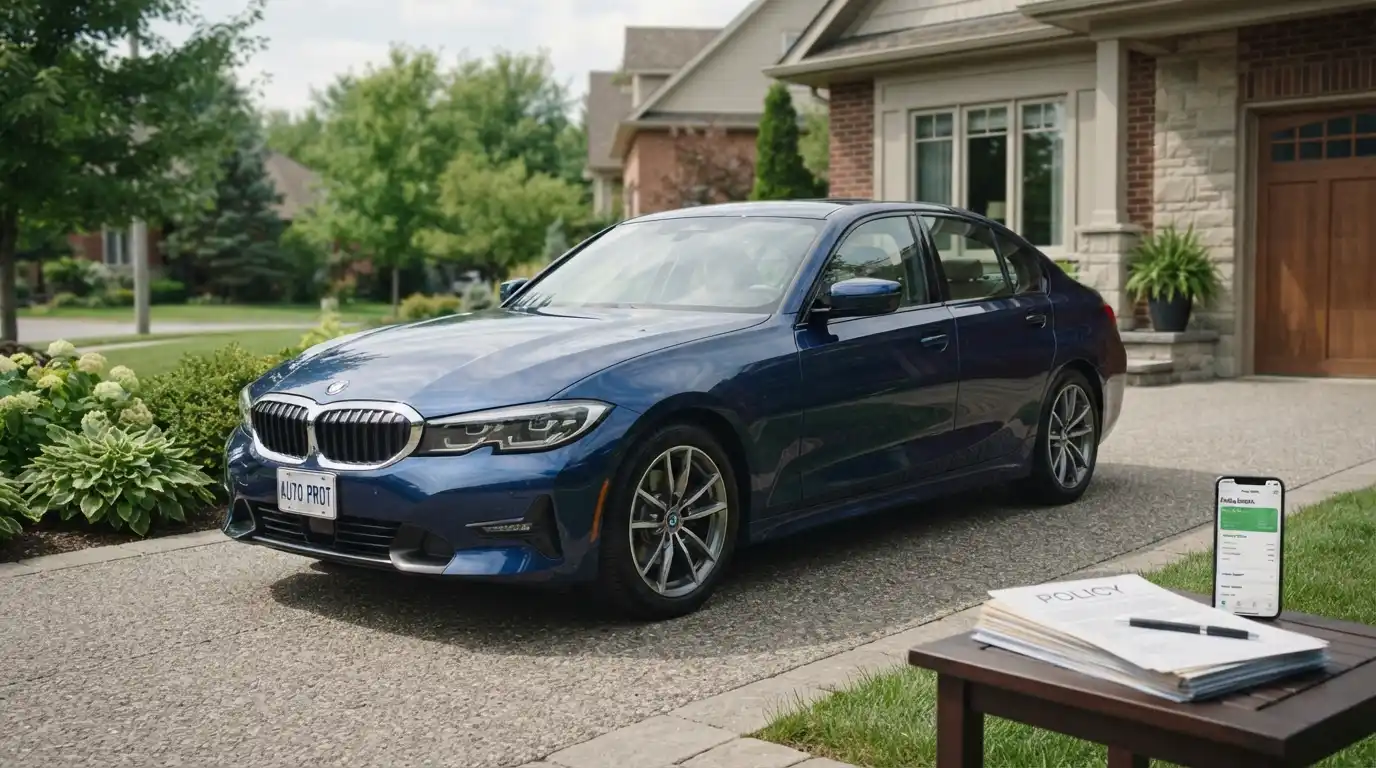
A strong insurance strategy should work alongside responsible vehicle ownership. Regular maintenance, safe driving, appropriate security measures, and an understanding of policy terms can all contribute to a more prepared approach to car ownership.
What Is SRP Car Insurance?
SRP car insurance can be understood as an auto insurance option associated with the SRP name or a policy search involving vehicle protection. As with any insurance policy, the exact benefits, exclusions, premiums, deductibles, and eligibility requirements depend on the insurer and the policy selected.
Drivers should avoid choosing coverage based only on the lowest premium. A cheaper policy may provide less protection when a serious claim occurs. Instead, compare the coverage limits, deductibles, exclusions, claims process, and optional protections before making a decision.
For broader vehicle-care considerations, drivers can also explore professional auto service and vehicle care, because insurance and maintenance address different but complementary aspects of responsible car ownership.
Why Car Insurance Matters
Vehicles represent a significant financial investment, but the potential costs associated with an accident can extend far beyond the vehicle itself. Property damage, medical expenses, legal liability, towing, repairs, and replacement transportation can quickly create financial pressure.
Appropriate insurance helps transfer some of those risks to the insurer in exchange for a premium. The amount and type of protection depend on the policy terms.
Vehicle owners who want to keep their cars dependable should also pay attention to routine repairs. Resources such as expert car care and maintenance and vehicle service guidance can complement an insurance-focused ownership strategy.
Understanding the Main Types of Car Insurance Coverage
Liability Coverage
Liability insurance generally helps cover qualifying costs when the insured driver is legally responsible for injuries to another person or damage to another person’s property. State requirements vary, so drivers should understand the minimum limits applicable to them.
Choosing limits only because they satisfy a legal minimum may not always provide enough financial protection. Drivers with significant assets, higher-value vehicles, or greater exposure to risk may want to discuss higher limits with a qualified insurance professional.
Collision Coverage
Collision coverage is designed to help pay for covered damage to the insured vehicle resulting from a collision, subject to the policy deductible and terms. This can be particularly valuable for drivers who would face difficulty paying for major repairs or replacing a vehicle out of pocket.
Comprehensive Coverage
Comprehensive coverage generally addresses covered losses that are not caused by a collision with another vehicle or object. Depending on the policy, examples can include theft, vandalism, falling objects, fire, or certain weather-related damage.
This distinction is important because collision and comprehensive coverage address different categories of risk. Drivers should review the exact policy wording rather than assuming that every possible loss is automatically covered.
Uninsured and Underinsured Motorist Coverage
Uninsured or underinsured motorist coverage can provide an additional layer of protection when an accident involves a driver who has no insurance or insufficient insurance, depending on state law and policy terms.
Because coverage requirements differ by location, reviewing these protections with the rest of the policy can help drivers understand potential gaps.
How Comprehensive Coverage Can Protect Your Vehicle
Comprehensive coverage becomes especially relevant when a vehicle is exposed to risks outside ordinary traffic collisions. Severe weather, theft, vandalism, and falling objects can create substantial repair or replacement expenses.
However, comprehensive insurance is not the same as a complete maintenance plan. Insurance responds to covered losses, while maintenance helps reduce the likelihood of mechanical problems and premature wear.
For example, owners can combine insurance protection with reliable repair support such as reliable car-care services and professional auto repair services.
Factors That Can Affect Car Insurance Costs
Insurance premiums are influenced by multiple factors rather than one universal pricing formula. Depending on the insurer and location, considerations may include:
- Driving history and claims history
- Vehicle make, model, and age
- Coverage limits and deductibles
- Location and local insurance conditions
- Annual mileage and vehicle use
- Driver characteristics used by the insurer for underwriting
- Available discounts and policy options
Vehicle characteristics can also influence the overall ownership equation. For example, drivers interested in specialized vehicles should understand how legality, equipment, usage, and risk may affect their insurance considerations. LumePost’s guide on street-legal motorcycle considerations illustrates why vehicle legality and road use can matter.
Choosing the Right Deductible
The deductible is the amount the policyholder generally pays toward a covered claim before the insurer contributes according to the policy terms. A higher deductible can sometimes reduce the premium, while a lower deductible may increase the premium.
The right choice depends on personal finances and risk tolerance. A deductible should be affordable enough that an unexpected covered loss does not create unnecessary financial hardship.
Drivers should consider the deductible alongside the entire policy rather than using it as the only comparison point. Broader financial planning can also be useful when evaluating major ownership costs; for example, financial planning and financial solutions can provide useful context for managing large expenses.
Insurance and Vehicle Maintenance Work Together
Insurance cannot replace preventive maintenance. Keeping tires properly maintained, following recommended service intervals, addressing warning lights, and repairing safety-related issues can help keep a vehicle roadworthy.
Drivers can use resources such as vehicle-related repair considerations to better understand the broader importance of maintaining systems that contribute to everyday driving comfort and reliability.
For businesses operating multiple vehicles, the risk-management picture can be even broader. Commercial operators may need specialized policies and maintenance procedures. LumePost’s discussion of truck insurance and fleet protection provides a related perspective on managing vehicle risks at a business level.
Safe Driving Can Support Better Risk Management
Insurance is one part of responsible driving. Defensive driving, obeying traffic laws, avoiding distracted driving, and maintaining safe vehicle conditions can help reduce avoidable risks.
Driver education can also play an important role in developing safer habits. The driver education guide on LumePost provides a related resource for understanding the value of improving driving skills.
Drivers should also recognize that different activities create different vehicle risks. Someone who uses a vehicle primarily for commuting may have different needs from someone who frequently travels long distances or uses a vehicle for business purposes.
Legal Compliance and Vehicle Ownership
Insurance requirements, vehicle regulations, equipment rules, and registration requirements can vary considerably by state. Staying compliant is therefore an important part of vehicle ownership.
Vehicle modifications can also introduce additional considerations. For example, drivers researching window tint regulations can review Maryland’s legal tint requirements to see how equipment regulations can differ by jurisdiction.
Understanding these rules can help drivers avoid preventable problems and make more informed decisions about modifications and vehicle use.
Car Insurance for Different Types of Drivers
Daily Commuters
Commuters often prioritize dependable liability protection, appropriate physical-damage coverage, and practical deductibles. Mileage and daily usage should be accurately represented when obtaining a quote.
Families
Families may have several drivers and vehicles, making it important to review who is covered, which vehicles are insured, and whether the selected limits remain appropriate as circumstances change.
Vehicle Enthusiasts
Enthusiasts may have modified, specialty, or high-value vehicles that require additional consideration. Vehicle use, modifications, storage, mileage, and replacement value can all affect the suitability of a policy.
Traveling enthusiasts can also benefit from planning their routes and understanding vehicle-related considerations before longer trips. LumePost’s guide to places for car enthusiasts demonstrates how automotive interests can intersect with travel planning.
Business Vehicle Owners
Businesses using vehicles for deliveries, transportation, service calls, or other commercial purposes should not automatically assume that a personal auto policy provides appropriate protection. Commercial vehicle use can require different coverage arrangements.
Businesses also need to consider the wider financial implications of vehicle ownership, including maintenance, downtime, financing, and operational expenses.
How to Compare SRP Car Insurance Options
When comparing car insurance options, look beyond the advertised monthly premium. A useful comparison should include:
- Liability limits
- Collision and comprehensive coverage
- Deductibles
- Uninsured and underinsured motorist protection
- Rental or transportation coverage where applicable
- Roadside assistance options
- Exclusions and limitations
- Claims handling process
- Available discounts
- Total annual cost
It can also be useful to compare insurance decisions with other vehicle ownership costs. Financing, for example, can influence how much financial exposure a vehicle creates. Related resources such as vehicle financing considerations illustrate the importance of evaluating financing obligations alongside asset ownership.
Keeping Your Policy Up to Date
Insurance needs can change over time. Moving, purchasing a different vehicle, adding a driver, changing how the vehicle is used, or making significant modifications may justify a policy review.
Policyholders should also review their declarations and coverage details periodically instead of assuming that an old policy still matches their current situation.
Good vehicle care remains equally important. Additional auto-related resources such as vehicle maintenance guidance can help reinforce a broader approach to protecting a vehicle over its ownership lifecycle.
Final Thoughts
SRP car insurance should be evaluated as part of a broader vehicle protection strategy rather than simply as a monthly expense. The right combination of liability protection, comprehensive and collision coverage, appropriate deductibles, and optional protections can help reduce financial exposure after qualifying losses.
At the same time, responsible ownership requires more than insurance. Regular maintenance, safe driving, legal compliance, and thoughtful financial planning all contribute to protecting your vehicle and your future. Before purchasing or changing coverage, review the actual policy terms and confirm that the limits and protections fit your vehicle, location, and circumstances.


