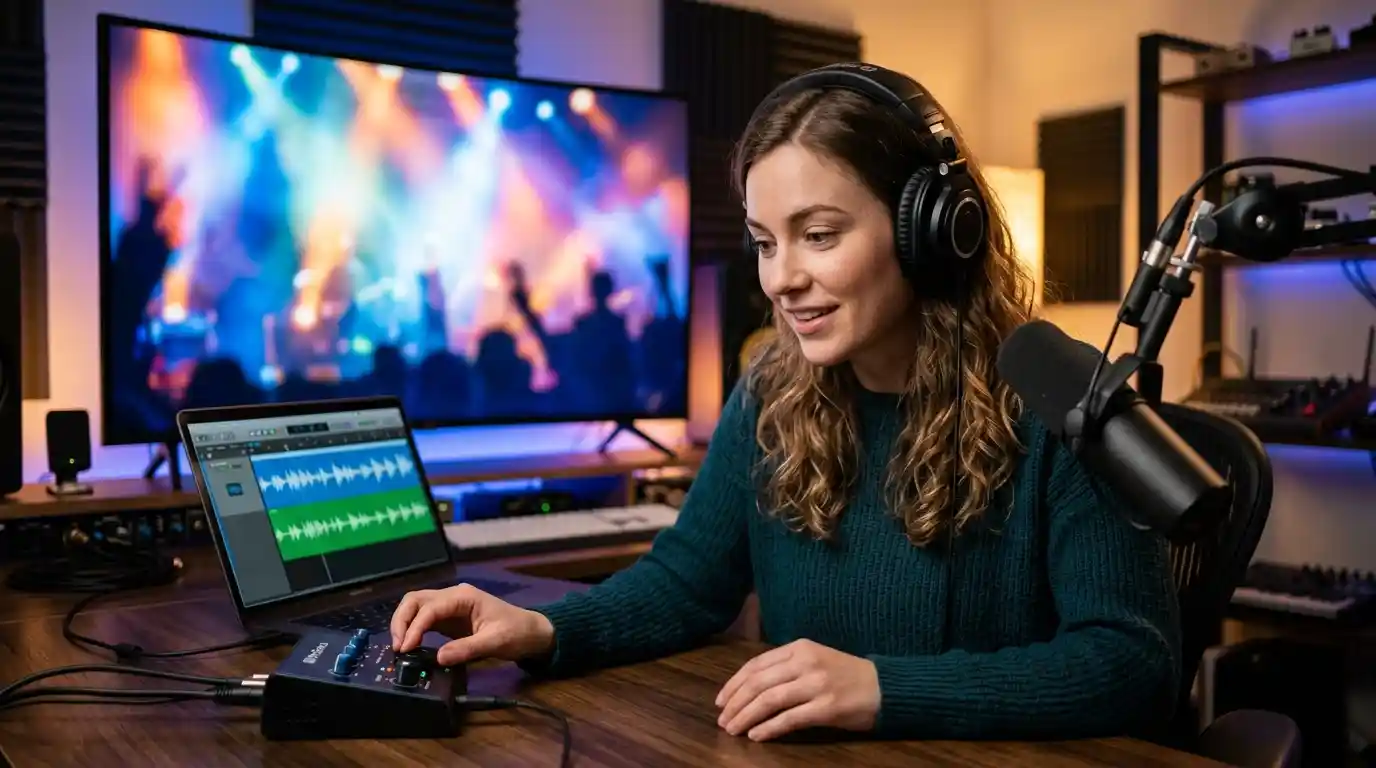
For beginners, exploring this world does not require expensive equipment or advanced technical skills. By learning to listen carefully, experimenting with simple creative tools, and discovering different forms of entertainment, anyone can begin appreciating how sound connects with the wider world of media and performance.
What Does More Than Music Entertainment Mean?
More than music entertainment describes experiences that extend beyond listening to a song. These may include live concerts, music videos, interactive performances, audiovisual installations, gaming soundtracks, virtual reality environments, and digital storytelling.
Each experience combines different elements to create a distinct atmosphere. Music can establish the mood, lighting can draw attention, visuals can communicate a story, and interactive features can make the audience feel involved. This approach connects naturally with wider music and entertainment experiences and the growing relationship between technology and creative expression.
Entertainment also extends into film and television, where soundtracks, dialogue, and sound effects help shape the viewer’s experience. Exploring upcoming movies and film entertainment can help beginners notice how music supports storytelling beyond the concert stage.
1. Learn to Listen Beyond the Melody
The easiest way to begin is to listen actively. Instead of treating music as background noise, pay attention to the instruments, rhythm, vocals, production, and changes in intensity. Notice how a quiet introduction can build into a dramatic chorus or how a pause can make the next sound more powerful.
Try listening to the same track through different headphones or speakers at a comfortable volume. You may notice details that were less obvious before, such as backing vocals, subtle percussion, or the separation between instruments.
Audio technology can also influence the experience. Learning about noise-cancelling audio technology can help you understand how headphones reduce distracting background sounds and why listening environments matter.
Keep a short listening journal. Write down the sounds you notice, the emotions a track creates, and the production choices that stand out. Over time, this simple habit can help you develop a more thoughtful appreciation of music.
2. Explore Different Forms of Entertainment
Music is only one part of the entertainment landscape. Live performances, cinema, gaming, festivals, and interactive digital experiences all offer different ways to connect with creative work.
For example, film combines dialogue, sound effects, music, and visual storytelling. You can explore the relationship between storytelling and audience expectations through concert and streaming entertainment, while musical theatre offers another way to experience songs as part of a larger narrative.
For a different perspective, discover how productions such as live theatre and musical performances combine acting, choreography, staging, and music. Even watching a performance online can help you notice how these elements work together.
Gaming is another useful starting point. Many games use adaptive music, environmental sounds, and dramatic effects to make players feel part of the action. Explore gaming technology and emerging entertainment trends to understand how digital experiences are evolving.
You can also investigate different gaming experiences and how interactive entertainment encourages audiences to participate rather than simply observe.
3. Start With Simple Audio Equipment
You do not need a professional studio to explore sound. A smartphone, a reliable pair of headphones, and a quiet room are enough to begin listening critically or recording basic ideas.
If you want to create your own content, consider adding equipment gradually:
- Headphones: Choose a comfortable pair that reproduces sound clearly.
- Microphone: A basic USB microphone can improve voice recordings and simple vocal projects.
- Recording software: Beginner-friendly audio applications let you trim clips, adjust volume, and experiment with layers.
- Camera or smartphone: Use a camera when you want to combine audio with visual storytelling.
- Speakers: Suitable speakers can help you experience how music sounds in a shared space.
Choose equipment based on what you actually want to do. Someone who enjoys listening may need nothing more than good headphones, while a beginner interested in video production may benefit more from a microphone and simple editing software.
Technology can also make the surrounding environment more engaging. Explore smart home devices and connected living to understand how connected speakers and other devices can fit into everyday entertainment routines.
4. Combine Sound With Visual Storytelling
Sound often becomes more memorable when it works alongside images, movement, and lighting. A simple video can feel more polished when its music matches the pacing of the visuals. Similarly, an illustration or animated sequence can communicate a mood that is difficult to express through sound alone.
Beginners can experiment with short videos, slideshows, or simple animations. Start with a clear idea, choose music that supports its mood, and keep transitions consistent. Avoid adding effects merely because they are available; every visual element should contribute to the overall experience.
Visual presentation matters in other creative formats, too. Studying visual art and poster design can help you recognize how composition, colour, and imagery establish expectations before an audience experiences the content itself.
You can also explore photography and image presentation techniques to develop a better understanding of visual clarity, framing, and responsible image handling.
5. Experience Live and Interactive Entertainment
Live entertainment offers something that recorded content cannot fully reproduce: the shared atmosphere of people experiencing a performance together. Audience reactions, stage lighting, movement, and the acoustics of a venue all contribute to the event.
Beginners can start with a small local performance, an open-mic night, a community event, or an online live session. Observe how performers communicate with their audience and how the atmosphere changes during quieter and more energetic moments.
Event planning is another part of the experience. Discover the fundamentals of planning an event to better understand the practical considerations behind venues, schedules, equipment, and audience arrangements.
Larger entertainment venues may combine performances with food, activities, and other attractions. Exploring live entertainment and ticketed experiences can provide another perspective on how events are organised for different audiences.
For a family-oriented or group outing, you might also look at entertainment venues and activity options when considering how different activities can fit into a shared leisure experience.
6. Understand the Role of Technology
Modern entertainment increasingly brings together software, connected devices, interactive displays, and digital platforms. These technologies can make it easier for creators to produce content and for audiences to discover experiences that match their interests.
Artificial intelligence tools, for example, can assist with brainstorming, editing, transcription, and certain production tasks. Beginners should treat these tools as aids rather than substitutes for creativity, judgement, and permission to use copyrighted material.
Reading about AI tools and their practical applications can help you identify technologies that may support creative work. Choose tools according to a clear need instead of signing up for every new platform.
Digital entertainment also connects with broader technology developments. Exploring technology solutions and digital innovation can provide additional context for understanding how software and connected systems change the way people create, distribute, and experience content.
7. Make Entertainment Part of Your Personal Routine
The best way to develop your interests is to experiment consistently without turning entertainment into another source of pressure. Set aside a little time to listen to unfamiliar music, watch a live performance, learn an editing skill, or create a short audio or video project.
Try rotating between different activities. One day, focus on an album. Another day, watch a film and notice its sound design. Later in the week, explore a game, visit a local performance, or record a short creative project of your own.
Entertainment can also be a useful opportunity to slow down after a busy day. Pair a relaxing playlist with a quiet activity, or explore practical ways to manage everyday stress when building a more balanced leisure routine.
Make room for movement and rest as well. Advice on fitting exercise into a busy daily routine can help you balance screen-based entertainment with physical activity.
Common Beginner Mistakes to Avoid
- Buying too much equipment too soon: Start with the basics and upgrade when you understand your needs.
- Ignoring listening comfort: Keep volume at a comfortable level and take breaks during long sessions.
- Adding unnecessary effects: Clear sound and purposeful visuals are often more effective than excessive editing.
- Expecting instant results: Developing creative skills takes practice, experimentation, and patience.
- Overlooking usage rights: Check the licence and permissions for music, images, and video clips before publishing a project.
- Following every trend: Choose experiences that genuinely interest you rather than feeling obligated to try everything.
Your Journey From Silence to Sound
Exploring more than music entertainment is ultimately about discovering how sound, images, performance, and technology can work together. You can begin as a listener, develop an interest in live performances, experiment with simple recording tools, or create your own audiovisual projects.
There is no single correct path. Start with what you enjoy, pay attention to the details, and gradually explore unfamiliar experiences. With curiosity and consistent practice, everyday listening can become a deeper appreciation of creativity, storytelling, and the many ways entertainment brings people together.
As the landscape of entertainment evolves, the concept of immersive experiences is becoming increasingly prevalent, inviting audiences to engage with content in multifaceted ways. This shift not only enhances the emotional resonance of artistic expressions but also broadens the scope of leisure activities available to families and individuals. For those seeking to explore this vibrant realm, there are practical avenues to make these experiences more accessible. One such avenue is through the savvy use of Main Event Entertainment coupons, which can significantly reduce the cost of engaging in fun-filled outings that blend gaming, bowling, and other interactive entertainment. By leveraging these deals, families can embark on memorable adventures, further enriching their engagement with immersive entertainment beyond just music.